BMW of Grand Blanc

Blog

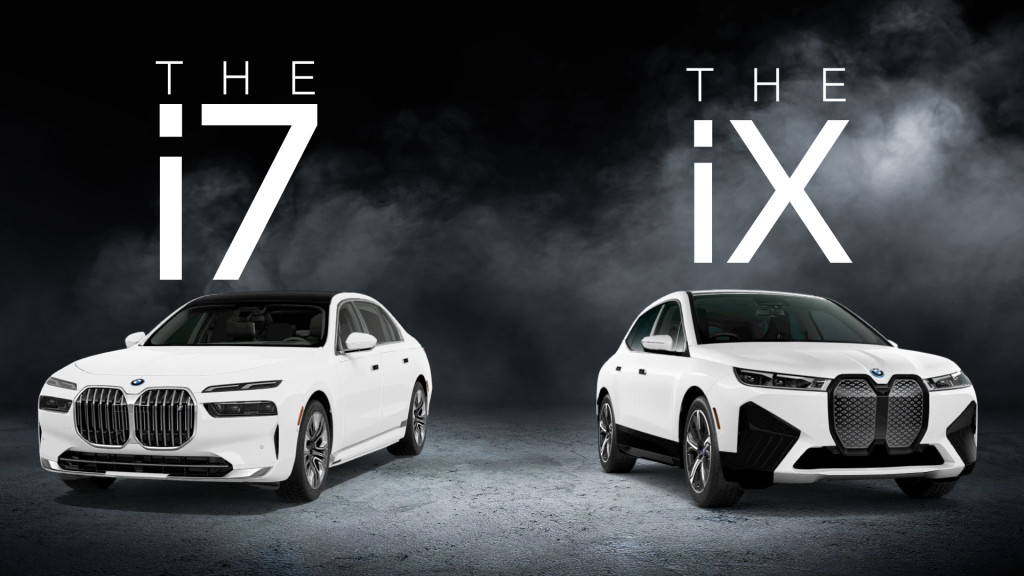
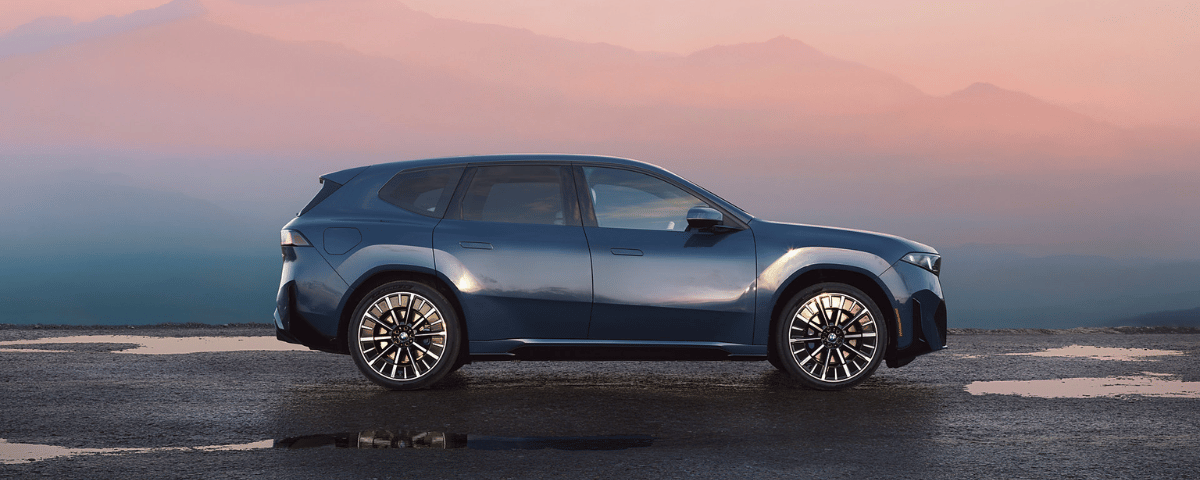
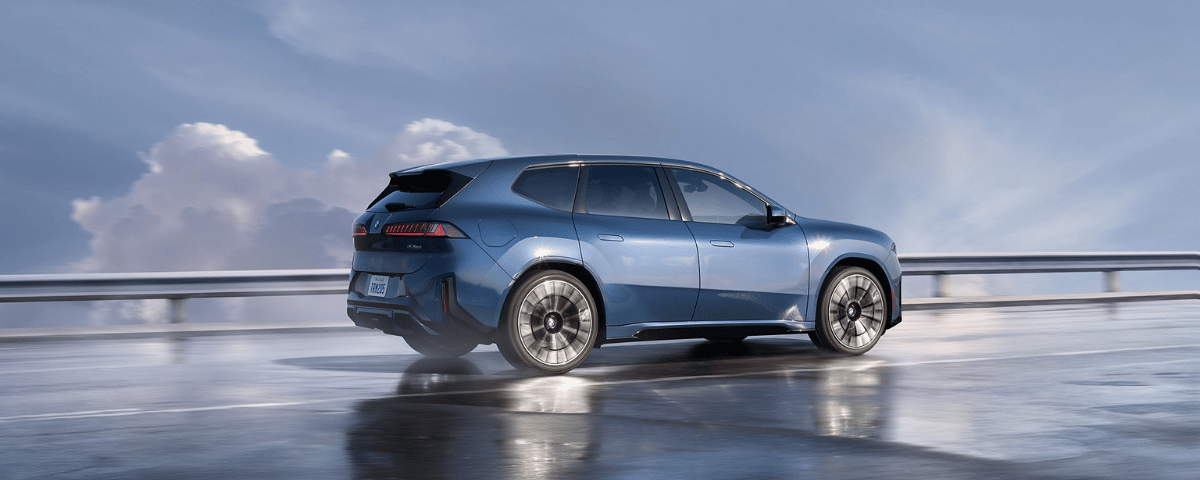
BMW iX and i7 Comparison

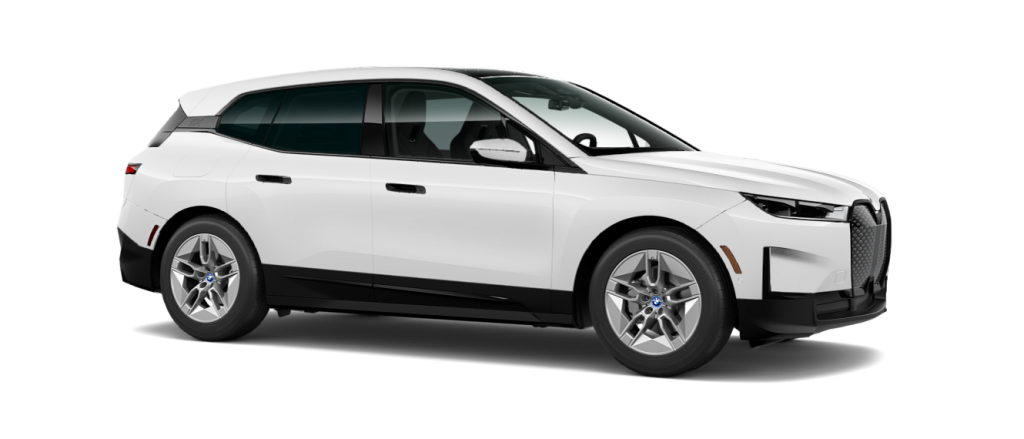
2023 BMW iX xDrive50

Starting MSRP: $84,100

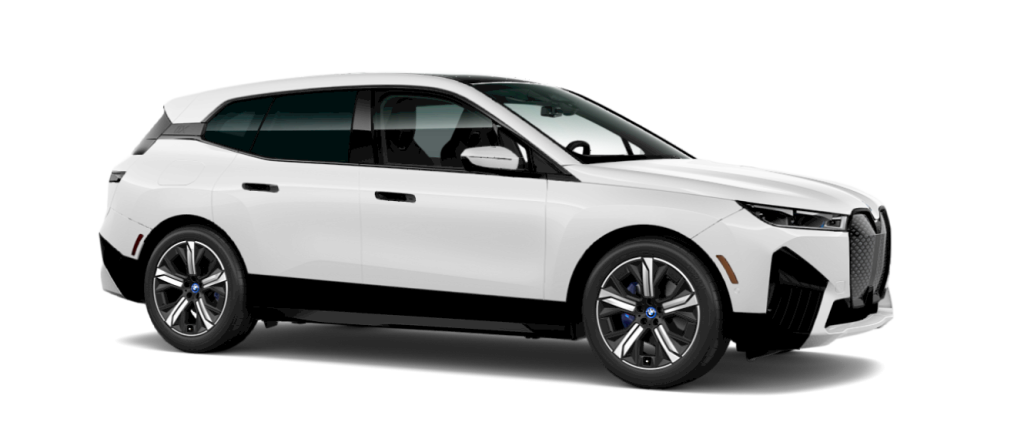
2023 BMW iX M60

Starting MSRP: $108,900

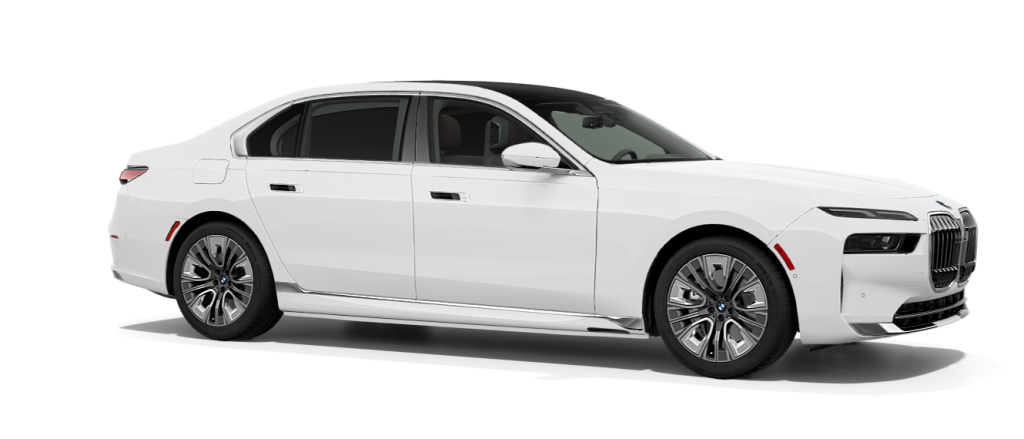
2023 BMW i7 xDrive60

Starting MSRP: $119,300

Doors
4-Door4-Door4-Door
Seats
555
Engine
516-HP Electric Motor
0-60 in 4.4 sec
532-HP Electric Motor
0-60 in 3.6 sec
536-HP Electric Motor
0-60 in 4.5 sec
Size
195" length
66.8" Height
195" length
66.8" Height
212.2" length
60.8" Height
Drivetrain
Dual all-electric motors
xDrive dual-motor all-wheel-drive
Dual high-performance electric motors
xDrive dual-motor all-wheel-drive
Dual high-performance electric motors
xDrive, intelligent all-wheel drive
Exterior Color
Alpine White
Black Sapphire Metallic
Dark Graphite Metallic
Mineral White Metallic
Phytonic Blue Metallic
Blue Ridge Mountain Metallic
Oxide Grey Metallic
Storm Bay Metallic
Aventurin Red Metallic
Alpine White
Black Sapphire Metallic
Dark Graphite Metallic
Mineral White Metallic
Phytonic Blue Metallic
Blue Ridge Mountain Metallic
Oxide Grey Metallic
Storm Bay Metallic
Aventurin Red Metallic
Interior Color
SENSATEC
Oyster Perforated
Mocha Perforated
Black Perforated
CLOTH
Stonegrey Micofiber/Wool Blend
PERFORATED LEATHER
Amido
Castanea Chestnut
SENSATEC
Oyster Perforated
Mocha Perforated
Black Perforated

PERFORATED LEATHER
Amido
Castanea Chestnut
EXTENDED MERINO LEATHER
Amarone
Smoke White
Mocha
Black
Tartufo
MERINO LEATHER
Black/Atlas Grey
FULL MERINO LEATHER
Amarone
Smoke White
Mocha
Black
Tartufo
Smoke White (Light Grey Cashmere inlays)
Estimated Range
305-324 mi274-288 mi296-318 mi
Charging
Level 1 (Any Outlet)
120V charging with up to 4 miles per 1 hour of charging.120V charging with up to 4 miles per 1 hour of charging.120V charging with up to 4 miles per 1 hour of charging.
Level 2 (Home/Public)
240V charging with up to 30 miles per 1 hour of charging. 240V charging with up to 30 miles per 1 hour of charging. 240V charging with up to 30 miles per 1 hour of charging. 
Level 3 (Dc Fast)
High-powered charging with up to 90 miles per 10 min of charging.  High-powered charging with up to 90 miles per 10 min of charging.  High-powered charging with up to 90 miles per 10 min of charging.  
Base Curb Weight
5,659 lbs5807 lbs5,917 lbs

Recommended Posts

2026 BMW 4 Series Coupe comparison for Michigan drivers

2026 BMW 4 Series Coupe vs. Mercedes-Benz CLE Coupe: Performance, Technology & Key Differences

BMW 4 Series Coupe and Mercedes-Benz CLE Coupe give drivers two distinct approaches to a two-door performance-oriented vehicle. Both offer turbocharged powertrains, available all-wheel-drive capability, modern digital technology, seating for four, and designs centered around the coupe format. For Michigan drivers comparing similar configurations, 2026 BMW 430i xDrive Coupe and 2026 Mercedes-Benz CLE 300 4MATIC Coupe make a particularly useful comparison. Both produce 255 horsepower and 295 lb-ft of torque, yet their transmissions, dimensions, technology, fuel economy, and overall driving environments differ. Compare 2026 BMW 430i xDrive Coupe and Mercedes-Benz CLE 300 4MATIC Coupe performance, technology, dimensions, and everyday usability. 2026 BMW 4 SERIES COUPE VS. MERCEDES-BENZ CLE COUPE AT A GLANCE. Comparison 2026 BMW 430i xDrive Coupe 2026 Mercedes-Benz CLE 300 4MATIC Coupe Engine 2.0-liter BMW TwinPower Turbo four-cylinder with 48V mild-hybrid technology 2.0-liter turbocharged four-cylinder with 48V mild-hybrid technology Horsepower 255 hp 255 hp Torque 295 lb-ft 295 lb-ft Transmission Eight-speed automatic Nine-speed automatic Drive System BMW xDrive all-wheel drive 4MATIC all-wheel drive Passenger Capacity Four Four Length 187.9 inches 191.0 inches Width Without Mirrors 72.9 inches 73.3 inches Wheelbase 112.2 inches 112.8 inches EPA City/Highway 27/34 mpg 23/32 mpg Specifications are based on current manufacturer information. Equipment, configuration, testing procedures, driving conditions, and other factors can affect published vehicle specifications and fuel economy. WHAT IS THE DIFFERENCE BETWEEN BMW 4 SERIES COUPE AND MERCEDES-BENZ CLE COUPE? At first glance, BMW 430i xDrive Coupe and Mercedes-Benz CLE 300 4MATIC Coupe are remarkably close in several areas. Both have four seats, four-cylinder turbocharged powertrains, all-wheel drive, and identical published horsepower and torque figures. However, the vehicles take different approaches once you move beyond engine output. BMW 430i xDrive Coupe is slightly shorter and narrower, uses an eight-speed automatic transmission, and pairs BMW xDrive with the driving characteristics of BMW 4 Series Coupe. In comparison, CLE 300 4MATIC Coupe has a slightly larger exterior footprint and a nine-speed automatic transmission. Mercedes-Benz also centers much of the cabin experience around its third-generation MBUX interface. As a result, this comparison is less about which vehicle has the larger horsepower number and more about drivetrain behavior, vehicle size, technology preferences, interior layout, and the driver's connection with the vehicle. MEET 2026 BMW 430i xDRIVE COUPE. 2026 BMW 430i xDrive Coupe uses a 2.0-liter BMW TwinPower Turbo four-cylinder engine producing 255 horsepower and 295 lb-ft of torque. The powertrain incorporates 48V mild-hybrid technology and pairs with an eight-speed Steptronic Sport automatic transmission. BMW xDrive intelligent all-wheel drive is included in the configuration being compared here. BMW 430i xDrive Coupe measures 187.9 inches long, 72.9 inches wide without mirrors, and 54.8 inches high. Its wheelbase measures 112.2 inches. In addition, the coupe provides seating for four, with two front seats and two individual rear seating positions. Drivers researching additional BMW models can visit the BMW of Grand Blanc model research center. BMW 430i xDRIVE VS. CLE 300 4MATIC PERFORMANCE. From a published engine-output standpoint, these two coupes begin in exactly the same place. BMW 430i xDrive Coupe produces 255 horsepower and 295 lb-ft of torque. Mercedes-Benz CLE 300 4MATIC Coupe also produces 255 horsepower and 295 lb-ft of torque. Both manufacturers incorporate 48V mild-hybrid technology into these powertrains. However, the transmissions and all-wheel-drive systems are manufacturer-specific. BMW uses an eight-speed automatic transmission with BMW xDrive. Mercedes-Benz uses a nine-speed automatic transmission with 4MATIC. Consequently, identical horsepower and torque specifications do not mean the vehicles will feel identical from behind the wheel. Steering response, transmission calibration, seating position, suspension tuning, drivetrain behavior, visibility, and control placement all contribute to the experience. For shoppers comparing these vehicles, an in-person drive provides information that a specification chart cannot. BMW xDRIVE VS. MERCEDES-BENZ 4MATIC. BMW xDrive and Mercedes-Benz 4MATIC are both intelligent all-wheel-drive systems, but each is integrated into its manufacturer's own vehicle architecture. BMW xDrive can continuously vary power distribution between the front and rear wheels as driving conditions change. In situations where additional front-wheel traction is not required, the system can emphasize the rear axle as part of BMW's approach to vehicle dynamics. Meanwhile, Mercedes-Benz describes 4MATIC as an always-engaged all-wheel-drive system that works with its Electronic Stability Program and other vehicle systems to manage traction. For Michigan drivers, both systems provide all-wheel-drive capability for changing conditions. Still, tire condition, road surface, rainfall, temperature, driver inputs, and seasonal tire suitability remain important regardless of drivetrain. BMW 4 SERIES COUPE VS. MERCEDES-BENZ CLE COUPE SIZE. BMW 430i xDrive Coupe has the smaller exterior footprint in this comparison. At 187.9 inches long, BMW is approximately three inches shorter than CLE 300 4MATIC Coupe at 191.0 inches. The difference in width is smaller. BMW measures 72.9 inches wide without mirrors, while Mercedes-Benz measures 73.3 inches. Wheelbase measurements are also close, at 112.2 inches for BMW and 112.8 inches for Mercedes-Benz. For drivers who use residential garages, downtown parking areas, or tighter parking spaces, overall dimensions can be as important as passenger capacity. Therefore, comparing exterior size in addition to cabin comfort can be useful before making a decision. BOTH COUPES SEAT FOUR. BMW 4 Series Coupe and Mercedes-Benz CLE Coupe both provide seating for four passengers. That configuration reflects the purpose of a two-door coupe. Front-seat occupants receive convenient access through the longer front doors, while the rear cabin provides two dedicated seating positions. For shoppers who regularly carry rear-seat passengers, it is worth evaluating access as well as the seating itself. Rear-seat entry, legroom, roofline, door opening size, and the frequency with which the rear seats will be used can all influence everyday usability. On the other hand, drivers who primarily travel alone or with one passenger may place greater emphasis on front-seat ergonomics, visibility, technology, and driving characteristics. BMW 4 SERIES COUPE TECHNOLOGY. BMW 4 Series Coupe uses BMW Operating System 8.5 with QuickSelect as part of its current digital environment. QuickSelect provides direct access to frequently used functions from the BMW Curved Display. Instead of navigating through multiple menus, drivers can reach entertainment, contacts, navigation, climate settings, communication functions, and vehicle settings from the primary interface. BMW Intelligent Personal Assistant adds voice interaction, while the My BMW App can connect drivers with vehicle information and selected remote functions. Available driver-assistance and parking technology can further expand the equipment depending on configuration. For example, BMW offers systems designed to support parking maneuvers, surrounding-area visibility, distance management, and highway driving. MERCEDES-BENZ CLE COUPE TECHNOLOGY. Mercedes-Benz CLE 300 4MATIC Coupe takes a different digital approach with third-generation MBUX. The standard system includes a 12.3-inch digital instrument cluster and an 11.9-inch central touchscreen. It also includes wireless Apple CarPlay and Android Auto compatibility, voice controls, navigation, and user profiles. Mercedes-Benz also includes a panorama roof as standard equipment on CLE 300 4MATIC Coupe. Rather than judging either interface solely by screen dimensions, shoppers should consider how often-used functions are accessed. Menu structure, voice interaction, physical controls, navigation display, smartphone integration, and display positioning can affect everyday usability more than screen size alone. BMW OPERATING SYSTEM 8.5 VS. MBUX. This is one area where personal preference becomes especially important. BMW Operating System 8.5 uses QuickSelect to reduce the number of menu layers required for frequently used functions. The BMW Curved Display places driver information and the central control interface alongside one another. By contrast, Mercedes-Benz MBUX separates its 12.3-inch digital instrument cluster from an 11.9-inch portrait-oriented central touchscreen. Both support voice interaction and smartphone connectivity. However, their visual layouts and control philosophies are different. For that reason, shoppers should spend time using navigation, climate settings, audio, phone functions, and vehicle settings during an in-person comparison instead of relying only on feature lists. BMW 430i xDRIVE FUEL ECONOMY. Published EPA fuel-economy figures also differ between these configurations. BMW lists 430i xDrive Coupe at 27 mpg city and 34 mpg highway. Mercedes-Benz lists CLE 300 4MATIC Coupe at 23 mpg city and 32 mpg highway. Actual fuel economy varies based on traffic, weather, tire selection, driving conditions, vehicle load, maintenance, and individual driving habits. Still, the EPA ratings provide another useful comparison point for drivers who regularly commute or travel longer distances. WHICH COUPE FITS MICHIGAN DRIVING? For Michigan drivers, both configurations provide all-wheel drive, which can be useful as road and weather conditions change throughout the year. BMW 430i xDrive Coupe combines BMW xDrive with a smaller exterior footprint and the current BMW digital environment. Meanwhile, CLE 300 4MATIC Coupe provides its own all-wheel-drive system, a slightly larger body, and the MBUX interface. During warmer months, drivers may encounter heavy rain, road construction, uneven pavement, and changing highway conditions. Later in the year, colder temperatures and winter weather add another set of considerations. Regardless of which vehicle is chosen, tires remain critical. All-wheel drive helps manage power distribution, but the tires provide the physical connection between the vehicle and the road. BMW 430i xDRIVE COUPE MAY BE A BETTER FIT IF YOU: Prefer BMW xDrive intelligent all-wheel drive Want the smaller exterior footprint in this comparison Prefer an eight-speed automatic transmission Prefer BMW Operating System 8.5 and QuickSelect Want BMW Curved Display and BMW Intelligent Personal Assistant Value the published 27/34 mpg city/highway rating Prefer the BMW coupe driving environment MERCEDES-BENZ CLE 300 4MATIC MAY APPEAL IF YOU: Prefer Mercedes-Benz 4MATIC all-wheel drive Want a slightly larger exterior footprint Prefer a nine-speed automatic transmission Prefer the MBUX digital interface Want the standard panorama roof Prefer the separate digital instrument cluster and portrait-oriented central touchscreen layout Because horsepower and torque are identical in these two configurations, the decision becomes especially dependent on the characteristics that cannot be fully communicated through numbers alone. BMW 4 SERIES COUPE FOR GRAND BLANC AND FLINT DRIVERS. BMW 430i xDrive Coupe brings together a two-door body, seating for four, BMW xDrive, 255 horsepower, BMW Operating System 8.5, and a relatively compact exterior footprint. For drivers around Grand Blanc, Flint, and Genesee County, that combination can support daily commuting, highway travel, weekend driving, and year-round Michigan ownership. Drivers who want to compare BMW 4 Series Coupe with other BMW models can also explore the BMW model research resources available through BMW of Grand Blanc. COMPARE BMW 4 SERIES COUPE AT BMW OF GRAND BLANC. Online research can identify meaningful differences between BMW 4 Series Coupe and Mercedes-Benz CLE Coupe. However, seating position, visibility, steering response, control layout, rear-seat access, technology, and overall vehicle feel are easier to evaluate in person. BMW of Grand Blanc can help drivers explore BMW 4 Series Coupe configurations, current BMW inventory, and BMW ownership resources. Explore New BMW Inventory Schedule a Test Drive Contact BMW of Grand Blanc BMW 4 SERIES COUPE VS. MERCEDES-BENZ CLE COUPE FREQUENTLY ASKED QUESTIONS. What is the main difference between BMW 430i xDrive Coupe and Mercedes-Benz CLE 300 4MATIC Coupe? Both coupes produce 255 horsepower and 295 lb-ft of torque and include all-wheel drive in the configurations compared. BMW 430i xDrive Coupe is slightly shorter, uses an eight-speed automatic transmission, and features BMW Operating System 8.5. CLE 300 4MATIC Coupe uses a nine-speed automatic transmission, has a slightly larger exterior footprint, and features third-generation MBUX. Which has more horsepower, BMW 430i xDrive or Mercedes-Benz CLE 300 4MATIC? Neither has an advantage in published horsepower. BMW 430i xDrive Coupe and Mercedes-Benz CLE 300 4MATIC Coupe each produce 255 horsepower. Which has more torque? Both configurations publish 295 lb-ft of torque. Does BMW 430i Coupe offer all-wheel drive? Yes. BMW 430i xDrive Coupe includes BMW xDrive intelligent all-wheel drive. BMW also offers a rear-wheel-drive 430i Coupe configuration. Is BMW 4 Series Coupe smaller than Mercedes-Benz CLE Coupe? Yes. BMW 430i xDrive Coupe measures 187.9 inches long, compared with 191.0 inches for Mercedes-Benz CLE 300 4MATIC Coupe. How many people can BMW 4 Series Coupe seat? BMW 4 Series Coupe provides seating for four people, including the driver, front passenger, and two rear passengers. Which has better published fuel economy? BMW lists 430i xDrive Coupe at 27 mpg city and 34 mpg highway. Mercedes-Benz lists CLE 300 4MATIC Coupe at 23 mpg city and 32 mpg highway. Actual fuel economy varies with driving and vehicle conditions. What technology does BMW 4 Series Coupe use? BMW 4 Series Coupe uses BMW Operating System 8.5 with QuickSelect, BMW Curved Display, BMW Intelligent Personal Assistant, and connected functionality through the My BMW App. Available packages can add additional driver-assistance and parking technology. Which is better for Michigan, BMW 430i xDrive or CLE 300 4MATIC? Both include all-wheel drive and can support year-round Michigan driving. The better fit depends on preferences for drivetrain behavior, dimensions, technology, interior layout, and overall driving characteristics. Appropriate tires and road-condition awareness remain important with either vehicle. Should I test-drive BMW 4 Series Coupe before choosing between the two? Yes. A test drive can help evaluate BMW 4 Series Coupe steering response, seating position, visibility, technology, control layout, rear-seat access, and overall driving characteristics in ways specifications alone cannot show. OFFICIAL MANUFACTURER SOURCES. BMW USA - BMW 4 Series Coupe Technical Specifications BMW USA - BMW 4 Series Coupe Mercedes-Benz USA - CLE 300 4MATIC Coupe Vehicle specifications, features, dimensions, drivetrain information, and fuel economy are based on manufacturer information available when this article was prepared and may change. Equipment varies by vehicle configuration. EPA estimates are for comparison purposes and actual fuel economy will vary based on driving conditions, weather, vehicle condition, equipment, and individual driving habits.

2027 BMW iX3 profile for Tesla Model Y comparison

2027 BMW iX3 vs. Tesla Model Y: Range, Charging, Technology & Key Differences

2027 BMW iX3 and Tesla Model Y are two fully electric SUVs designed around everyday usability, public charging, connected technology, and all-wheel-drive capability. For Michigan drivers comparing them, some of the most important differences involve estimated driving range, charging architecture, interior technology, ownership support, and how each manufacturer approaches the driving experience. For a direct comparison, this guide looks at 2027 BMW iX3 50 xDrive alongside the current Tesla Model Y Premium All-Wheel Drive. Both provide dual-motor all-wheel drive and seating for five, but BMW iX3 introduces BMW's latest Neue Klasse technology, an 800-volt electrical architecture, up to 400 kW DC charging, native NACS compatibility, BMW Panoramic iDrive, and an estimated range that can exceed 400 miles depending on configuration. Compare 2027 BMW iX3 and Tesla Model Y range, charging, technology, AWD capability, and everyday Michigan ownership. 2027 BMW iX3 VS. TESLA MODEL Y AT A GLANCE. Comparison 2027 BMW iX3 50 xDrive Tesla Model Y Premium AWD Drive System Dual-motor BMW xDrive all-wheel drive Dual-motor all-wheel drive Horsepower 463 hp Tesla does not publish a directly comparable horsepower figure on its Model Y consumer specification page Estimated Range 383-434 miles depending on configuration 327 miles EPA estimated Maximum DC Charging Up to 400 kW Up to 250 kW Published Charging Metric 10-80% in approximately 21 minutes at maximum charge rate Up to 169 miles added in 15 minutes under Tesla's stated conditions Charging Port Native NACS with included CCS adapter Native NACS Length 188.3 inches 188.6 inches Seating Five passengers Five passengers, with seven-seat availability on select configurations Specifications are based on current manufacturer information available when this article was prepared. BMW iX3 range figures are preliminary estimates and may vary by wheel and tire configuration. Tesla specifications vary by Model Y configuration. Charging performance depends on charger output, battery temperature, state of charge, weather, configuration, and other conditions. WHAT IS THE DIFFERENCE BETWEEN BMW iX3 AND TESLA MODEL Y? BMW iX3 and Tesla Model Y are similar in exterior length and both offer dual-motor all-wheel-drive configurations, but their underlying technology and ownership environments differ significantly. BMW iX3 50 xDrive introduces BMW's sixth-generation eDrive technology and an 800-volt electrical architecture. BMW currently estimates 383 to 434 miles of range depending on configuration and publishes a maximum DC charging rate of 400 kW. Tesla Model Y Premium All-Wheel Drive uses Tesla's established dual-motor platform and Supercharger ecosystem. Tesla currently publishes an EPA-estimated range of 327 miles for this configuration and a maximum Supercharging rate of 250 kW. The two vehicles are also remarkably close in exterior length. BMW iX3 measures 188.3 inches, while Tesla Model Y Premium measures 188.6 inches. MEET 2027 BMW iX3 50 xDRIVE. 2027 BMW iX3 50 xDrive is the first U.S. BMW model built around BMW's Neue Klasse vehicle architecture. The standard dual-motor xDrive system produces a maximum 463 horsepower and 476 lb-ft of torque. BMW combines that drivetrain with sixth-generation eDrive technology, an 800-volt electrical system, and new electronic control systems designed specifically for this generation of BMW electric vehicles. BMW iX3 also introduces BMW Panoramic iDrive with BMW Operating System X, a new display and control environment built around BMW Panoramic Vision, the Free-Cut Central Display, BMW Intelligent Personal Assistant, and an available 3D Head-Up Display. For a deeper look at the model, visit our 2027 BMW iX3 ownership guide. BMW iX3 VS. TESLA MODEL Y RANGE. Range is one of the clearest differences in the current manufacturer specifications. BMW currently lists an estimated range of 383 to 434 miles for BMW iX3 50 xDrive depending on wheel and tire configuration. BMW notes that these figures are preliminary and that EPA-certified range may differ when final certification is complete. Tesla currently lists Model Y Premium All-Wheel Drive at 327 miles of EPA-estimated range. That makes BMW iX3 particularly noteworthy for drivers whose daily travel or longer Michigan trips make range a major consideration. Actual electric driving range varies in both vehicles. Outside temperature, highway driving, wheel and tire selection, cabin heating and cooling, elevation changes, traffic, charging habits, and individual driving style can all affect how far an electric vehicle travels between charging sessions. BMW iX3 VS. TESLA MODEL Y CHARGING. Both vehicles can use NACS charging equipment, including compatible Tesla Supercharger locations, but their maximum published charging capabilities differ. BMW iX3 uses an 800-volt electrical architecture and supports DC charging at up to 400 kW. BMW states that iX3 50 xDrive can charge from 10 to 80 percent in approximately 21 minutes when connected to a charger capable of delivering the vehicle's maximum charging rate. Tesla Model Y Premium All-Wheel Drive supports Supercharging at up to 250 kW. Tesla currently states that up to 169 miles of range can be added in 15 minutes under its specified charging conditions. These charging figures are measured differently, so they should not be treated as identical tests. The more meaningful takeaway is that both vehicles support high-power public charging, while BMW iX3 introduces a substantially higher published peak DC charging rate. CAN BMW iX3 USE TESLA SUPERCHARGERS? Yes. 2027 BMW iX3 has a native NACS charge port. That means compatible Tesla Superchargers are available to BMW iX3 drivers without requiring a NACS adapter. BMW includes Tesla Superchargers as part of the BMW ChargingNetwork. BMW also includes a CCS adapter with iX3, which expands compatibility with CCS DC charging locations. The BMW ChargingNetwork integrates participating charging providers into the My BMW App and BMW navigation system. Current providers include Tesla Superchargers, Electrify America, IONNA, Shell Recharge, EVgo, ChargePoint, and others. BMW CHARGING NETWORK VS. TESLA SUPERCHARGING. Tesla built much of its electric-vehicle ownership experience around its Supercharger network. That remains an important strength of Model Y ownership. BMW's approach with iX3 is broader. Rather than limiting the ownership experience to a single charging operator, BMW integrates multiple public charging providers through the BMW ChargingNetwork. Because BMW iX3 uses a native NACS port, Tesla Superchargers can now be part of that broader BMW charging experience alongside other participating networks. For Michigan drivers, the practical question is less about which logo appears on the charger and more about where charging locations are available along the routes they normally travel. BMW iX3 VS. TESLA MODEL Y SIZE. The exterior dimensions of these vehicles are surprisingly close. BMW iX3 measures 188.3 inches long, 74.6 inches wide without mirrors, and 64.8 inches high. Tesla Model Y Premium measures approximately 188.6 inches long, 75.6 inches wide without mirrors, and 63.9 inches high. That puts them within less than half an inch of each other in overall length. For drivers moving from one midsize SUV to another, that means the difference in parking and garage footprint may be smaller than expected. BMW iX3 INTERIOR AND PANORAMIC iDRIVE. One of the largest philosophical differences between BMW iX3 and Tesla Model Y appears inside the cabin. BMW iX3 introduces BMW Panoramic iDrive. The system uses several coordinated interfaces instead of concentrating nearly every function into one central screen. BMW Panoramic Vision projects information across the lower portion of the windshield. The Free-Cut Central Display provides touchscreen controls, while BMW Intelligent Personal Assistant adds voice interaction. An available 3D Head-Up Display can place additional driving information directly in the driver's field of view. Tesla Model Y takes a more centralized approach. Model Y Premium uses a 16-inch center touchscreen along with an eight-inch rear touchscreen. Which interface a driver prefers may depend on whether they want vehicle information distributed across several driver-focused displays or primarily managed through a central touchscreen. BMW iX3 SEATING AND EVERYDAY USABILITY. BMW iX3 is designed as a five-passenger SUV with two rows of seating. The cabin combines the new BMW digital environment with practical passenger and storage considerations. BMW iX3 also includes a front storage compartment in addition to its rear cargo area. Tesla Model Y Premium is offered with five-passenger seating, with a seven-seat configuration available on certain versions. Drivers should consider their normal passenger count, child-seat requirements, cargo needs, rear-seat comfort, and how frequently additional seating would actually be used. BMW iX3 FRONT STORAGE. BMW iX3 includes a front storage compartment that provides another location for smaller items, charging accessories, or equipment drivers may prefer to keep separate from the main rear cargo area. Tesla Model Y also provides front storage. Tesla publishes approximately four cubic feet of front trunk capacity for current Model Y configurations. For both vehicles, front storage is one of the practical advantages created by an electric drivetrain that does not require a conventional engine under the hood. BMW iX3 VS. TESLA MODEL Y FOR MICHIGAN DRIVING. Both BMW iX3 50 xDrive and Tesla Model Y Premium All-Wheel Drive use dual-motor all-wheel-drive systems, making them relevant options for Michigan drivers who encounter changing road and weather conditions. BMW iX3 adds BMW xDrive to its electric drivetrain, while Tesla uses its own dual-motor AWD system. As with any all-wheel-drive vehicle, tires remain critical. AWD manages power distribution, while the tires provide the actual connection between the vehicle and the road. Michigan temperatures can also influence electric range and charging performance. Cold weather can increase cabin energy use and affect battery efficiency, which is why home charging and route planning become especially useful during colder months. BMW iX3 BIDIRECTIONAL CHARGING. BMW iX3 adds another capability that expands the role of the vehicle's high-voltage battery. BMW states that iX3 supports bidirectional charging. Depending on compatible equipment and application, the vehicle battery can be used for functions such as providing backup electricity to a home, powering compatible devices, or transferring energy to another BMW electric vehicle. This turns the battery into more than an energy source used only for driving. WHICH IS BETTER FOR MICHIGAN DRIVERS, BMW iX3 OR TESLA MODEL Y? Both vehicles bring strong electric-vehicle technology to the comparison. The better fit depends on what the individual driver values most. BMW iX3 MAY BE A BETTER FIT IF YOU: Want an estimated driving range that can exceed 400 miles depending on configuration Want up to 400 kW DC charging capability Prefer BMW xDrive all-wheel drive Want native NACS charging plus an included CCS adapter Want access to Tesla Superchargers through the broader BMW ChargingNetwork Prefer BMW Panoramic iDrive and multiple driver-focused displays Want BMW dealership service and ownership support Are interested in bidirectional charging capability TESLA MODEL Y MAY APPEAL IF YOU: Prefer Tesla's established vehicle interface and ecosystem Want direct integration with the Tesla Supercharger network Prefer a centralized touchscreen-based control environment Want the option of seven-passenger seating on select configurations Already use Tesla products or services The most important comparison is not simply which vehicle has the larger number in one specification category. Range, charging access, technology preferences, passenger needs, service expectations, and everyday driving habits should all be considered together. BMW iX3 FOR GRAND BLANC AND FLINT DRIVERS. 2027 BMW iX3 represents a significant change in BMW electric-vehicle technology. Its long estimated range, high-power charging capability, native NACS connection, BMW ChargingNetwork access, BMW Panoramic iDrive, and standard xDrive make it especially relevant for Michigan drivers considering their next fully electric SUV. For drivers around Grand Blanc, Flint, and Genesee County, the combination of home charging and access to a growing public charging network can support daily commuting as well as longer Michigan travel. Learn more about range, charging, technology, and ownership planning in our complete 2027 BMW iX3 guide. EXPLORE BMW iX3 AT BMW OF GRAND BLANC. Specifications are useful when comparing BMW iX3 and Tesla Model Y, but they do not show the complete ownership experience. Interior layout, seating position, visibility, control design, charging setup, service support, and everyday usability can all influence which vehicle is the better match. BMW of Grand Blanc can help Michigan drivers learn more about BMW iX3 50 xDrive, charging options, BMW technology, and future availability. Explore BMW iX3 Build Your Own BMW Contact BMW of Grand Blanc BMW iX3 VS. TESLA MODEL Y FREQUENTLY ASKED QUESTIONS. What is the main difference between BMW iX3 and Tesla Model Y? BMW iX3 introduces BMW's Neue Klasse electric architecture, an 800-volt electrical system, up to 400 kW DC charging, BMW Panoramic iDrive, native NACS compatibility, and an estimated range that can exceed 400 miles depending on configuration. Tesla Model Y uses Tesla's established electric platform, touchscreen interface, and Supercharger ecosystem. Which has more range, BMW iX3 or Tesla Model Y? BMW currently estimates 383 to 434 miles of range for 2027 BMW iX3 50 xDrive depending on configuration. Tesla currently lists Model Y Premium All-Wheel Drive at 327 miles of EPA-estimated range. BMW's figures remain preliminary until final EPA certification. Which charges at a higher maximum rate, BMW iX3 or Tesla Model Y? BMW iX3 supports DC charging at up to 400 kW. Tesla lists Model Y Premium All-Wheel Drive at up to 250 kW Supercharging. Can BMW iX3 charge at Tesla Superchargers? Yes. BMW iX3 has a native NACS charge port and can access compatible Tesla Superchargers through the BMW ChargingNetwork without a NACS adapter. Does BMW iX3 come with a CCS adapter? Yes. BMW states that a CCS adapter is included with BMW iX3, providing additional compatibility with CCS DC charging stations. Does BMW iX3 have all-wheel drive? Yes. BMW iX3 50 xDrive has standard dual-motor BMW xDrive all-wheel drive. How large is BMW iX3 compared with Tesla Model Y? The vehicles are nearly identical in overall length. BMW iX3 measures 188.3 inches long, while Tesla Model Y Premium measures approximately 188.6 inches long. What is BMW Panoramic iDrive? BMW Panoramic iDrive is the new display and control system introduced with BMW iX3. It combines BMW Panoramic Vision, the Free-Cut Central Display, BMW Intelligent Personal Assistant, and an available 3D Head-Up Display. Does BMW iX3 support bidirectional charging? Yes. BMW states that iX3 supports bidirectional charging for compatible applications such as backup home electricity, powering devices, and transferring energy to another compatible BMW electric vehicle. When is BMW iX3 available in the United States? BMW has announced U.S. availability for 2027 BMW iX3 50 xDrive, with additional iX3 variants expected to follow. Availability and timing can vary, so drivers should check current BMW information or contact BMW of Grand Blanc for the latest local updates. OFFICIAL MANUFACTURER SOURCES. BMW USA - BMW iX3 BMW USA - BMW iX3 Technical Data BMW USA - Electric Vehicle Range Tesla - Model Y Tesla - Model Y Owner's Manual Vehicle specifications, range estimates, charging capability, features, dimensions, and availability are based on manufacturer information available when this article was prepared and may change. BMW iX3 range estimates are preliminary and may differ following final EPA certification. Tesla Model Y specifications vary by configuration. Actual range and charging performance depend on vehicle configuration, wheel and tire selection, battery condition, temperature, charger capability, driving conditions, and other factors.

BMW xDrive driving in changing Michigan road conditions

BMW xDrive Explained: Michigan Rain, Potholes & Changing Road Conditions

Michigan roads can change quickly. A dry commute can turn into heavy rain, standing water, loose pavement, construction zones, or a stretch of road marked by potholes. BMW xDrive is designed to respond to changing traction conditions, but understanding what the system can and cannot do is important for BMW owners. BMW xDrive is BMW's intelligent all-wheel-drive system. It uses vehicle and driving information to continuously manage how power is distributed between the wheels. When traction changes, xDrive can respond automatically to help maintain grip and vehicle stability. That makes xDrive especially relevant for Michigan driving, but xDrive does not make potholes disappear, prevent tire or wheel damage, or replace proper tires and vehicle maintenance. Here is how the system works and where tires, wheels, suspension, and driver awareness enter the picture. BMW xDrive is designed to respond to changing traction conditions across dry, wet, and challenging road surfaces. WHAT IS BMW xDRIVE? BMW xDrive is an intelligent all-wheel-drive system designed to continuously evaluate driving conditions and distribute power where it can be used most effectively. If the system detects wheel slip, xDrive can adjust power distribution between the front and rear wheels. BMW also integrates xDrive with systems including Dynamic Stability Control and Dynamic Traction Control. Unlike a system that waits for the driver to manually engage four-wheel drive, xDrive operates automatically during normal driving. BMW xDrive continuously manages power distribution as driving conditions change. Dynamic Stability Control can respond when traction loss is detected. Dynamic Traction Control can support traction in more challenging surface conditions. HOW DOES BMW xDRIVE WORK IN HEAVY RAIN? Rain is one of the most common situations where Michigan drivers may notice the value of an intelligent all-wheel-drive system. Water can reduce the available traction between the tires and pavement. Painted lane markings, standing water, construction surfaces, leaves, and other road conditions can further change the amount of grip available. BMW xDrive continually monitors vehicle information and can redistribute power when wheel slip is detected. Dynamic Stability Control can also intervene by applying individual brakes when necessary to help stabilize the vehicle. This does not eliminate the need to adjust driving for rain. Tire tread, tire pressure, standing water, visibility, following distance, and road conditions remain important regardless of drivetrain. WHAT DOES BMW xDRIVE DO ON DRY AND UNEVEN ROADS? xDrive is not only active during rain or winter weather. It operates during normal driving as well. The system continuously evaluates driving information and adjusts power distribution as needed. BMW describes xDrive as rear-wheel biased in many applications, allowing the system to retain characteristics associated with BMW driving dynamics while providing all-wheel-drive traction when conditions require it. Drivers interested in a current BMW SUV equipped with xDrive can explore our BMW X3 research page. DOES BMW xDRIVE HELP WITH POTHOLES? This is where an important distinction needs to be made. BMW xDrive does not protect tires, wheels, or suspension components from a pothole impact. xDrive manages traction and power distribution. A pothole is a physical road hazard. How a BMW responds to that impact depends on factors such as tire construction, tire pressure, wheel size, suspension components, vehicle speed, and the depth and shape of the pothole. BMW itself notes that rough or damaged road surfaces can cause damage to wheels, tires, and suspension parts. Low-profile tires can provide less cushioning between the wheel and road, making road-hazard awareness especially important. That distinction matters because all-wheel drive and road-impact protection are two different things. xDrive may help manage available traction on an uneven or slick road surface, but it cannot prevent physical damage when a wheel strikes a severe pothole. WHAT SHOULD YOU CHECK AFTER HITTING A POTHOLE? Not every pothole impact results in damage, but a significant impact is worth paying attention to. Possible signs that a tire, wheel, alignment, or suspension component should be inspected include: A visible tire bulge, cut, gouge, or other sidewall damage A tire-pressure warning New vibration through the steering wheel or vehicle The vehicle pulling to one side A steering wheel that is no longer centered during straight-line driving A visibly bent or damaged wheel New noises after the impact A noticeable change in ride quality or handling If something feels different after a road-hazard impact, a tire and wheel inspection can help identify damage that may not be obvious from a quick visual check. BMW owners can visit the BMW Tire Center at BMW of Grand Blanc or schedule BMW service for an inspection. WHY TIRES MATTER WITH BMW xDRIVE. xDrive can only use the traction available where the tires meet the road. That makes tire condition an important part of the overall system. Tread depth, tire pressure, tire construction, seasonal suitability, and the correct wheel and tire combination can all influence how a BMW responds to changing road surfaces. BMW also identifies specially developed tires using a star symbol on the tire sidewall. BMW states that tires specially developed for BMW vehicles are marked with this star symbol. BMW also notes that only certain wheel and tire combinations are appropriate depending on the specific vehicle and equipment. For BMW owners, that means replacement tires should be selected based on the vehicle's specifications rather than tire size alone. BMW xDRIVE DOES NOT REPLACE PROPER TIRES. All-wheel drive can assist with distributing power, but the tires remain the vehicle's contact with the road. This becomes especially important as temperatures drop later in the year. BMW notes that an all-wheel-drive system cannot compensate for tires that do not have the appropriate flexibility or tread design for winter conditions. For Michigan drivers, this is why checking tread condition and planning ahead for seasonal tire needs remain important even when a BMW is equipped with xDrive. Our BMW winter service guide provides additional information for preparing a BMW as colder weather approaches. WHAT ABOUT BMW xDRIVE IN SNOW? Snow is only one part of Michigan driving, but it is still an important part of understanding xDrive. BMW xDrive can redistribute power as traction changes. Dynamic Traction Control, which is part of the Dynamic Stability Control system, can also allow controlled wheel spin in certain situations where additional traction is needed on surfaces such as unplowed snow or loose ground. That does not mean drivers should treat all-wheel drive as a replacement for appropriate tires, additional stopping distance, or adjustments for winter road conditions. The reason snow appears lower in this guide is simple: xDrive is useful year-round. Michigan drivers encounter heavy rain, construction, wet leaves, loose pavement, temperature changes, rough roads, and other changing conditions long before the first snowfall. WHICH BMW MODELS HAVE xDRIVE? xDrive is used throughout the BMW lineup, including BMW SUVs, sedans, coupes, and electric models depending on configuration. The name of an individual BMW model often makes the drivetrain easy to identify. Models such as BMW X3 30 xDrive, BMW X5 xDrive40i, and BMW X7 xDrive40i identify xDrive directly in the model designation. BMW xDrive also extends into fully electric BMW models. For example, 2027 BMW iX3 50 xDrive uses a standard dual-motor all-wheel-drive configuration. Drivers interested in that model can explore our 2027 BMW iX3 ownership guide. BMW xDRIVE VS. ALL-WHEEL DRIVE. BMW xDrive is an all-wheel-drive system, but the name refers specifically to BMW's implementation of intelligent all-wheel drive. Rather than describing every all-wheel-drive system as identical, it is more useful to understand how BMW approaches the technology. xDrive monitors driving information and can change power distribution between the axles when conditions require it. BMW also integrates xDrive with Dynamic Stability Control and Dynamic Traction Control, allowing the drivetrain and stability systems to work together as traction conditions change. BMW xDRIVE FOR GRAND BLANC AND FLINT DRIVERS. Michigan drivers rarely encounter only one type of road condition. A normal week around Grand Blanc, Flint, and Genesee County can include dry pavement, thunderstorms, standing water, construction zones, rough pavement, and potholes. BMW xDrive adds intelligent all-wheel-drive capability for changing traction conditions, while proper tires and regular inspections remain important for the physical demands Michigan roads can place on wheels, tires, and suspension components. That is also why understanding what xDrive does not do is just as useful as understanding what it does. xDrive manages traction. Tires provide road contact. Suspension manages vehicle movement and road impacts. Each has a different role. EXPLORE BMW xDRIVE AT BMW OF GRAND BLANC. If you are considering a BMW with xDrive, an in-person drive provides an opportunity to experience the drivetrain, steering, vehicle response, seating position, and BMW technology firsthand. BMW of Grand Blanc can also help BMW owners evaluate tire condition, wheel concerns, and service needs after encountering rough Michigan roads or potholes. Explore New BMW Inventory Schedule a Test Drive Schedule BMW Service BMW xDRIVE FREQUENTLY ASKED QUESTIONS. What is BMW xDrive? BMW xDrive is BMW's intelligent all-wheel-drive system. It monitors driving information and can automatically adjust power distribution between the wheels as traction conditions change. Is BMW xDrive always active? BMW xDrive operates automatically and continuously evaluates vehicle and driving information. Drivers do not normally need to manually engage the system for changing road conditions. Does BMW xDrive help in rain? BMW xDrive can adjust power distribution when wheel slip is detected. Dynamic Stability Control can also intervene when traction loss occurs. Tire condition, tire pressure, standing water, visibility, and driver inputs remain important during rainy conditions. Does BMW xDrive protect against potholes? No. BMW xDrive manages traction and power distribution. It does not prevent tire, wheel, alignment, or suspension damage from a pothole impact. Can a pothole damage a BMW tire or wheel? Yes. BMW notes that rough or damaged road surfaces and other road hazards can damage tires, wheels, and suspension components. A significant impact should be followed by attention to tire pressure, visible tire or wheel damage, vibration, pulling, or other changes in vehicle behavior. What does the star symbol on a BMW tire mean? BMW states that tires specially developed for BMW vehicles are identified by a star symbol on the tire sidewall. Does BMW xDrive replace winter tires? No. All-wheel drive manages power delivery, while tires provide the actual contact with the road. Tire tread, compound, temperature suitability, and road conditions remain important during Michigan winters. Is BMW xDrive available on electric BMW models? Yes. BMW uses xDrive on selected electric models as well. 2027 BMW iX3 50 xDrive, for example, has standard dual-motor all-wheel drive. Where can I have BMW tires or wheels inspected in Grand Blanc? BMW owners can schedule tire, wheel, alignment, and related service through BMW of Grand Blanc in Grand Blanc, Michigan. OFFICIAL BMW SOURCES. BMW USA - Why Choose xDrive BMW USA - How Intelligent All-Wheel Drive Works BMW USA - BMW Tire Star Symbol BMW USA - Tire and Wheel Road Hazard Information BMW USA - BMW iX3 Vehicle features, drivetrain behavior, tire information, and service recommendations are based on BMW information available when this article was prepared. Vehicle equipment varies by model and configuration. Road, weather, tire, and vehicle conditions can affect traction and vehicle response. Consult the applicable owner's manual and BMW Center for information specific to your vehicle.