


BMW Brakes
BMW, The Ultimate Driving Machine…. There are many components in a BMW that contribute to the driving dynamics that have earned BMW the reputation for driving excellence. One key component is the braking system. Your brakes not only contribute to your BMW’s sporty dynamics but ensure your safety. The braking system should be every bit as capable as the engine and suspension that make your BMW the ultimate driving machine! For most drivers, the braking system is nothing more than a pedal on the floor that slows and stops their car. In a modern vehicle, the braking system is very complicated. This system requires regular maintenance to ensure your BMW delivers the ultimate driving experience and the safety you expect in a modern car. We will explain in simple terms how your brakes function and the importance of regular maintenance. Then you can make an informed decision when you have a discussion with your BMW Service Advisor about maintenance and replacement.

Types of BMW Brakes
Disc Brakes
BMW’s modern DISC BRAKES are designed to deliver the stopping power required of a car that offers the sporty driving dynamics of a BMW. There is only one modern braking system that can achieve that, and it is the 4-wheel discs brakes standard on all modern BMWs. Disc brakes offer superior performance in both stopping power and precise driver control. The disc brake system consists of a rotor or disc, brake pads and a caliper. The rotor spins while the caliper holds the brake pads to the rotor. Think of the caliper as a clamp that holds the brake pad to the spinning rotor. When you push your brake pedal the caliper or clamp squeezes the brake pad against the rotor. This process slows and stops your car. This creates heat which can impact your braking performance. One of the advantages of the disc brake is the ability to dissipate this heat and moisture which can impact braking performance. The friction created when the pad contacts the rotor is what eventually wears out the pad and or the rotor requiring replacement.
Schedule Service Today!Brake Rotors
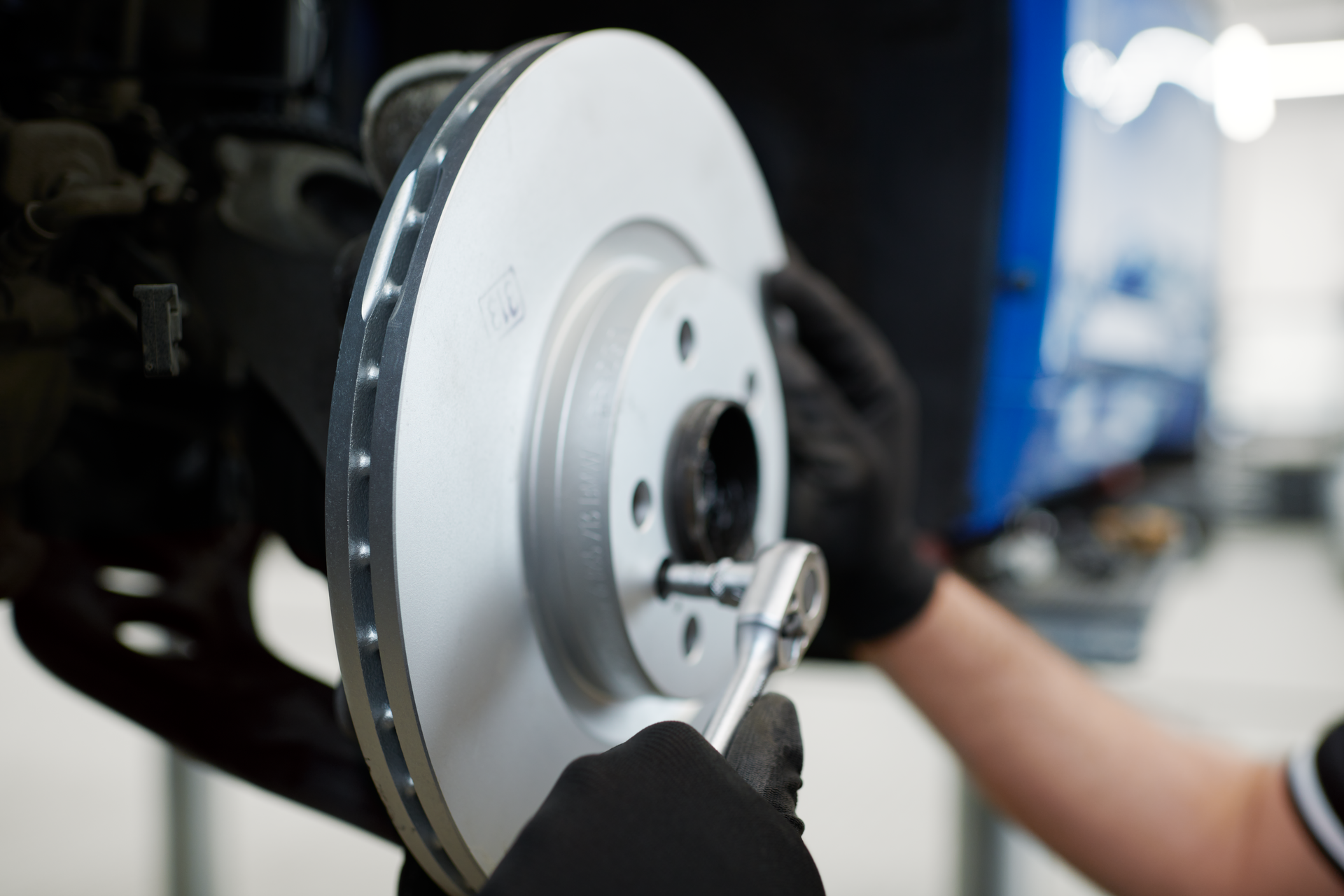
The BRAKE ROTOR or disc is like a spinning metal plate. The rotor is usually made of cast iron. There are several types of brake rotors from a solid rotor to a vented, cross drilled and slotted rotor. Each type of rotor enhances the braking performance. An M Sport BMW would likely be equipped with a cross drilled rotor versus a solid rotor as the cross drilled rotor will better dissipate the heat generated when a vehicle is driven aggressively. Brake rotors are a wear item and at some time in your BMW’s life will need to be replaced. That replacement interval will vary greatly based on your driving habits – do you drive aggressively, type of driving – stop and go versus highway, types of road surfaces - dirt versus asphalt. If you track your BMW you can expect to replace your rotors due to the warpage of the rotor because of the excessive heat generated under the ultra-aggressive braking. Regular inspections by a certified BMW technician will ensure that your rotors are up to specification. When braking, if you notice a pulsing in the pedal or a vibration in the front of the car it could indicate warped brake rotors and require replacement.
Brake Calipers
BRAKE CALIPERS are the component that holds the brake pads to the rotor and is the active device that presses the pads against the rotor creating friction that slows and stops your car. Within the caliper are pistons that press the pad against the rotor. The pistons are pressed or pressurized by hydraulic fluid via the master cylinder which is connected to your brake pedal. Brake calipers can sometimes last the life of the car. They can require replacement if the pistons wear out. Exposure to moisture, road salt, and brake dust can cause calipers to rust and seize, while driving habits like frequent hard braking can also accelerate wear.
Brake Pads
The BRAKE PADS are the most common wear item in your braking system. The pads have direct contact with the rotor and create the necessary friction to slow and stop your car. Brake pads are primarily made from three types of materials: organic, semi-metallic, and ceramic. Each material has unique characteristics and is chosen based on factors like vehicle type, driving conditions, and desired performance. The replacement intervals for brake pads will vary depending on the type of driving you do, highway versus city as an example or if you drive aggressively and are a hard braker. Regular inspections by a certified BMW technician will assure you that your pads are up to specification and safe. A grinding noise when applying your brakes would be an indication your brake pads need replacement.
Brake Lines & Fluid
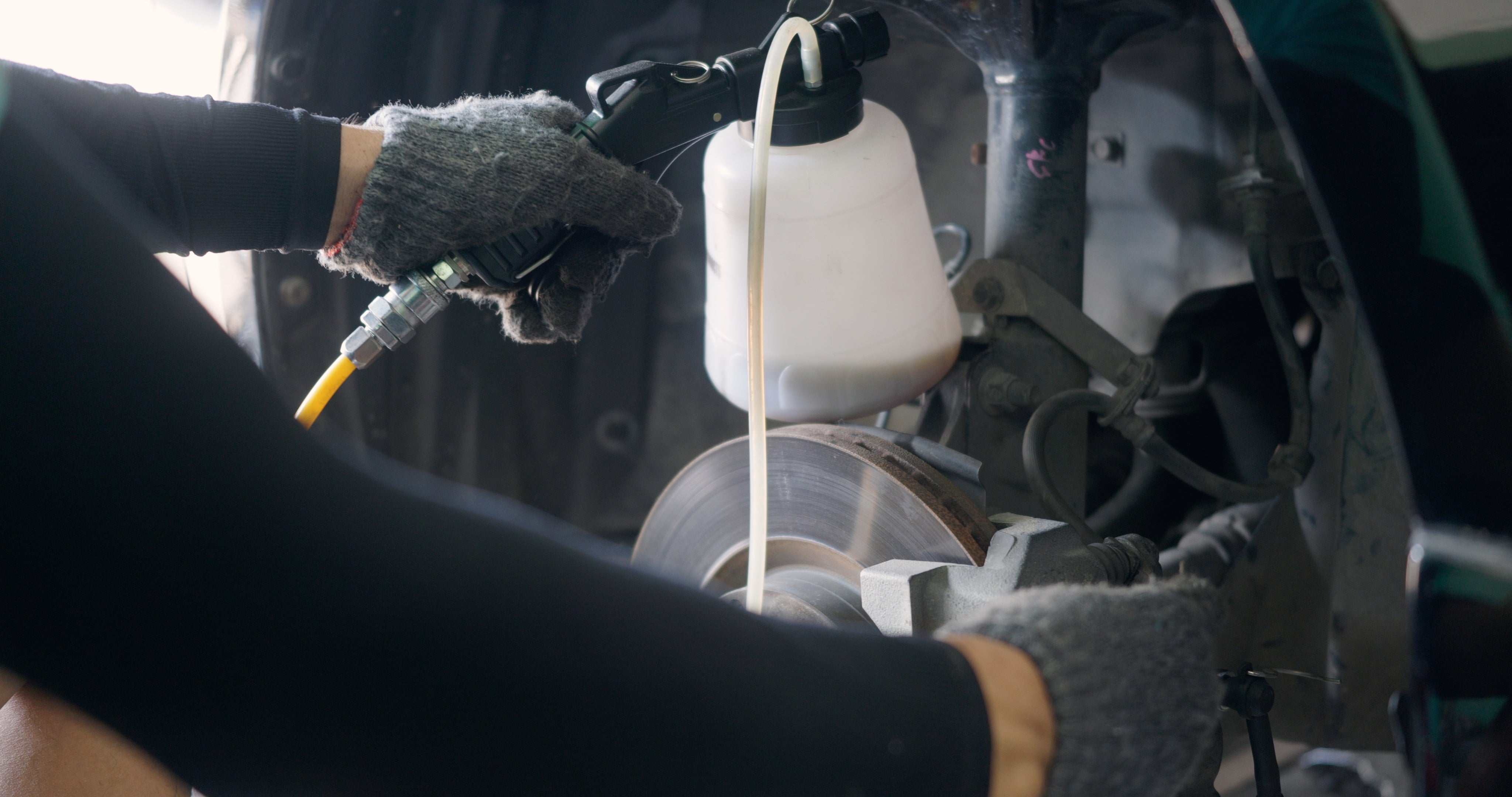
There are two important components on your brake system rarely discussed compared to pads and rotors: BRAKE LINES & FLUIDS. Your car stops when you press your brake pedal. This creates pressure that is carried via hydraulic fluid that travels though your brake lines to the pistons in your calipers and presses the brake pads against your brake rotor creating the friction that slows the car. The hydraulic fluid will degrade with time. The fluid will absorb moisture which further degrades the fluid and can also cause corrosion in the brake lines. Aggressive braking creates heat that can also impact the effectiveness of the brake fluid. If you track your BMW it is suggested to change your brake fluid before and after an event. Under normal driving conditions your fluid should be changed per BMW recommendation, which is usually every two years. Your brake lines should also be inspected regularly for leaks and wear. A soft or squishy feeling in the pedal under braking could be an indication your brake fluid needs to be replaced.
Importance of Regular Maintenance
REGULAR MAINTENANCE is crucial in maintaining optimal braking performance and safety. All BMW scheduled services include an inspection of the entire braking system. You can be assured that when you leave BMW of Grand Blanc you will have a safely operating braking system.
Schedule Service Today!
Frequently Asked Questions
How often should I replace brake pads?
Usually between 30,000–60,000 miles depending on driving habits.
How do I know my rotors need replacement?
You may feel vibrations when braking or hear grinding noises.
Can I upgrade my BMW's brakes myself, or should I consult a professional?
While brake upgrades can be performed by experienced DIYers, it's essential to have a thorough understanding of your BMW's braking system and follow proper safety precautions. If you're not confident in your abilities or lack the necessary tools, it's best to consult a professional to ensure the job is done correctly and safely.
Are ceramic pads better?
Ceramic pads produce less dust and last longer, but cost more.