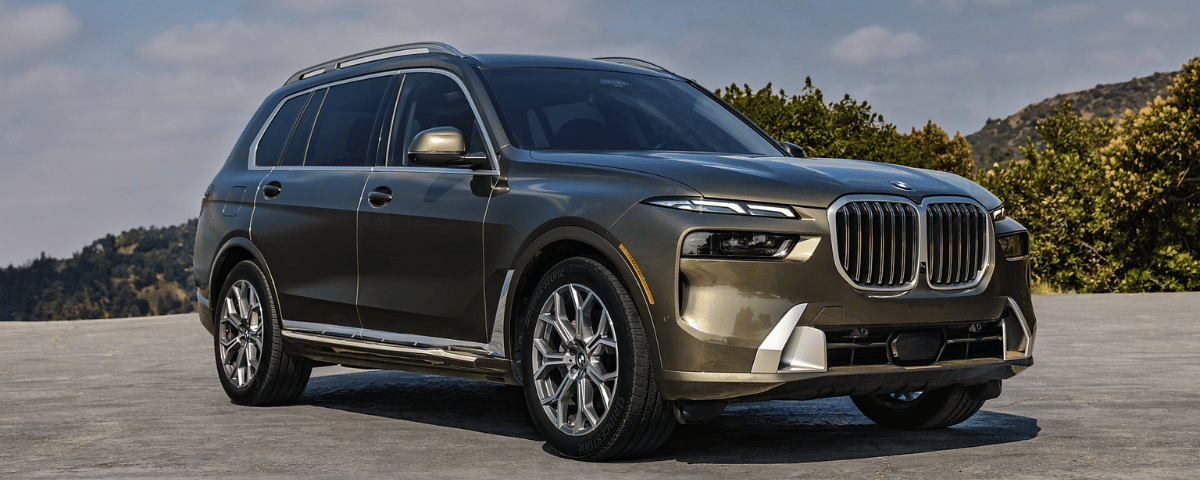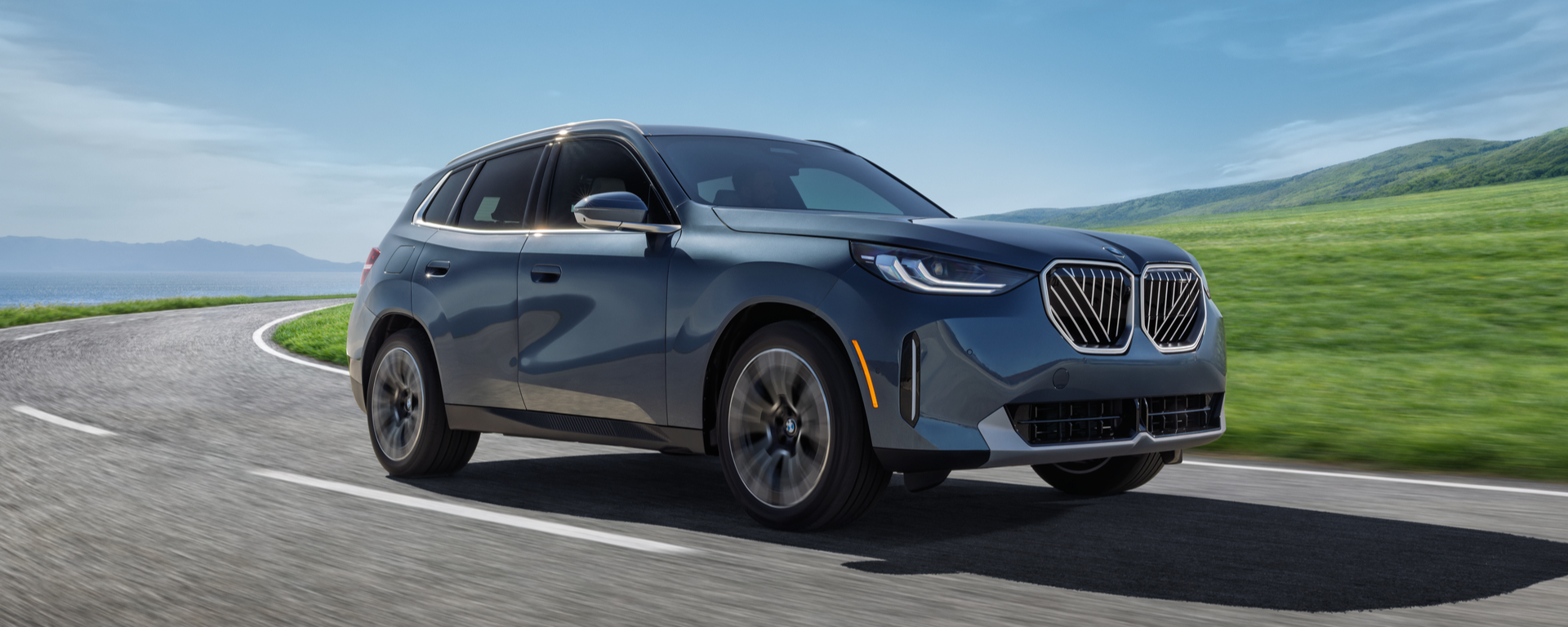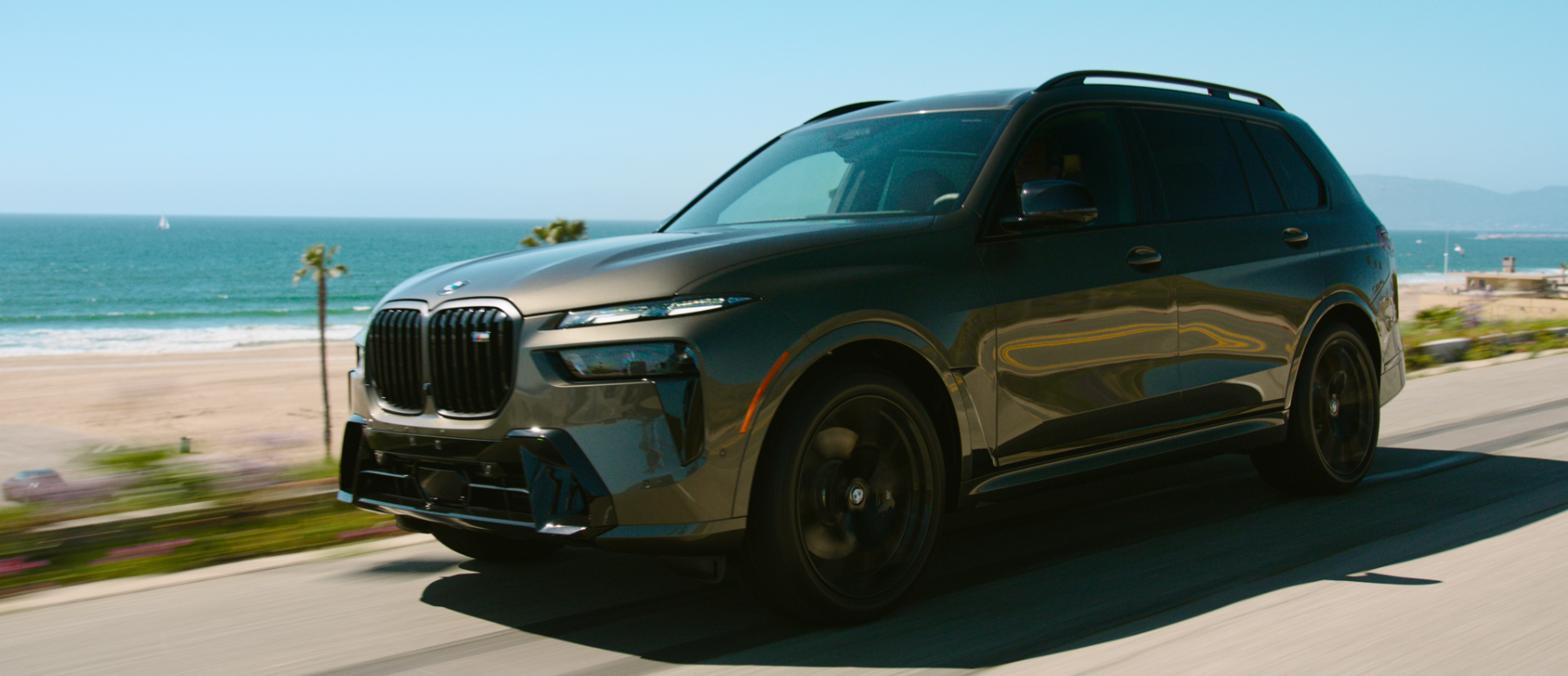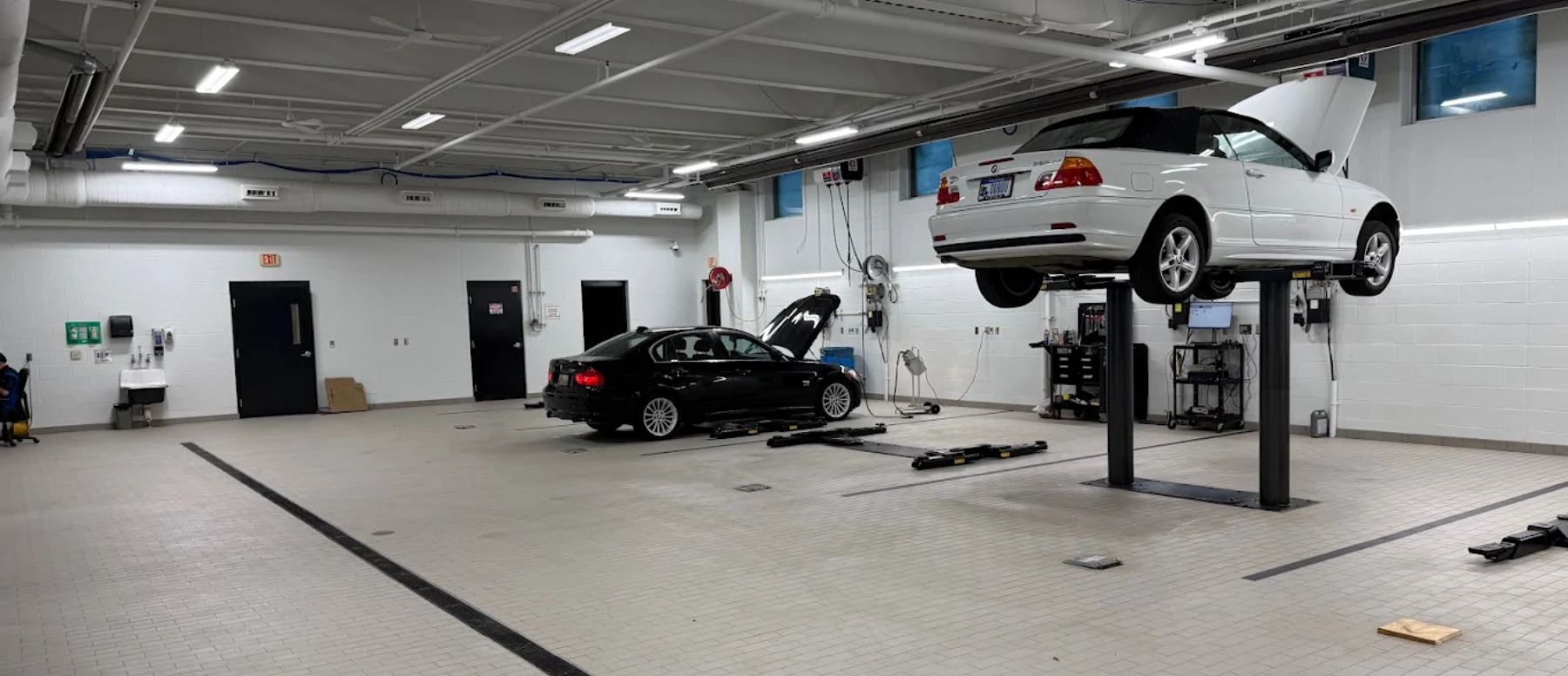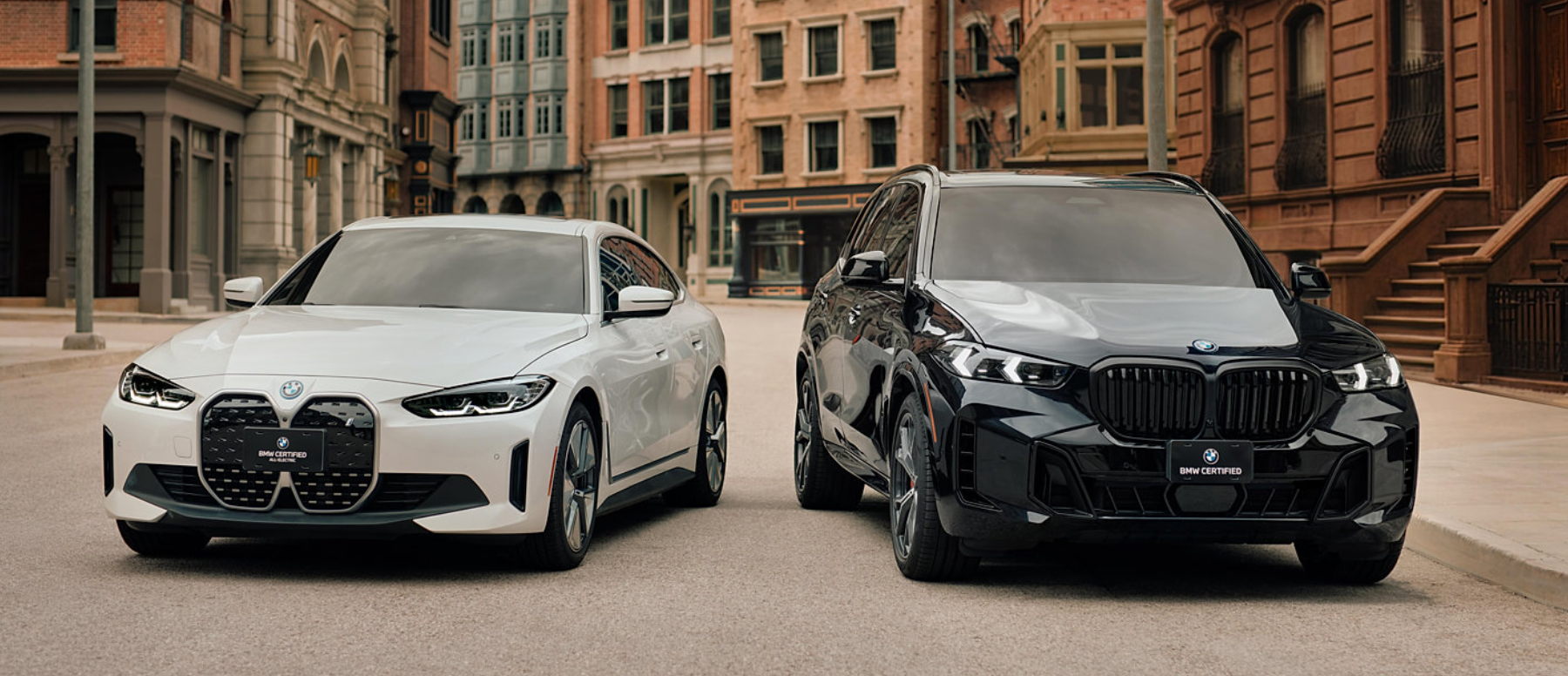

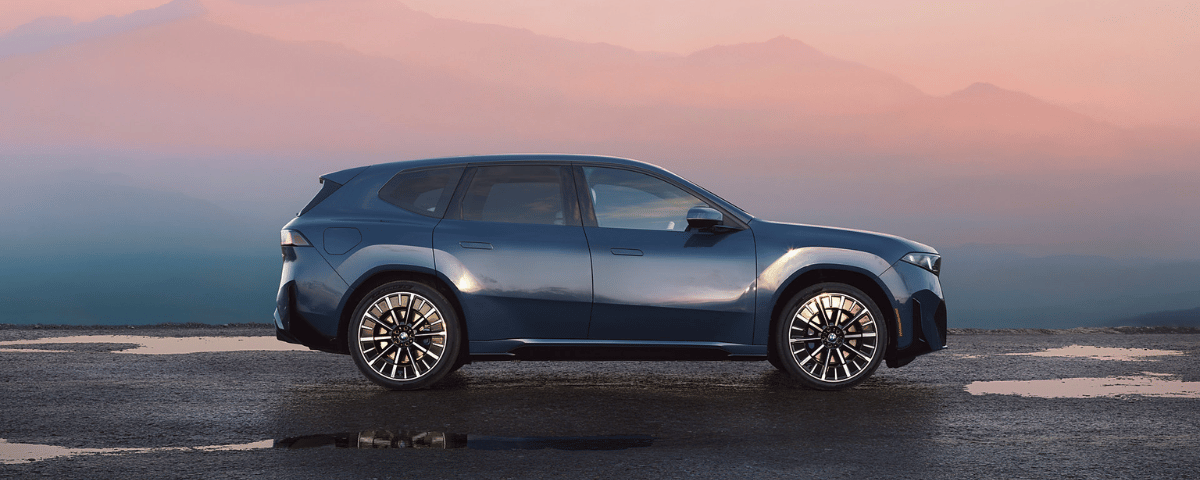
BMW X7 is designed for drivers who need three rows of seating without giving up the performance, technology, and cabin experience associated with BMW. For 2027, BMW X7 xDrive40i provides seating for up to seven, standard BMW xDrive intelligent all-wheel drive, and a flexible interior that can adapt to daily transportation and longer Michigan trips.
For families and drivers around Grand Blanc, Flint, and Genesee County, the most important questions often involve third-row comfort, passenger access, cargo room, and how the vehicle handles a trip with several people and their belongings.

2027 BMW X7 combines three-row seating, flexible interior space, and standard BMW xDrive for everyday driving and longer Michigan trips.
2027 BMW X7 Seating at a Glance
| Interior Feature | 2027 BMW X7 |
|---|---|
| Standard Seating | Up to seven passengers with a second-row bench |
| Available Seating | Six-passenger configuration with second-row Captain’s Chairs |
| Third Row | Two additional passenger seats |
| Drivetrain | Standard BMW xDrive intelligent all-wheel drive |
| Horsepower | 375 horsepower in BMW X7 xDrive40i |
| Maximum Towing | Up to 7,500 pounds when properly equipped with the available factory-installed hitch |
| Overall Length | 203.6 inches |
Specifications are based on current BMW USA information for 2027 BMW X7 xDrive40i. Features and capabilities may vary by configuration and equipment.
How Many People Can 2027 BMW X7 Seat?
2027 BMW X7 provides seating for up to seven people across three rows. The standard configuration uses a second-row bench with room for three passengers and a third row with room for two.
Drivers can also select an available six-passenger configuration with two individual Captain’s Chairs in the second row. This arrangement reduces total capacity by one passenger but provides a more open pathway between the seats and can make third-row access more convenient.

BMW X7 provides three rows of seating with a standard seven-passenger layout or an available six-passenger configuration.
Standard Second-Row Bench
The standard bench may be the better choice for households that need the maximum seating capacity. It allows three passengers to sit in the second row while preserving the two third-row positions.
This configuration may suit drivers who regularly transport:
- Several children or family members
- School or activity groups
- Friends and extended family
- Passengers who require seven total seating positions
Available Second-Row Captain’s Chairs
Available Captain’s Chairs provide individual second-row seating and a passage between the seats. This configuration may make it easier for passengers to move toward the third row without folding or sliding a second-row bench position each time.
Captain’s Chairs may be worth considering when second-row comfort and third-row access are more important than having seven total seats.
How Usable Is the BMW X7 Third Row?
The third row gives BMW X7 greater flexibility than a two-row SUV. It can be used for children, teenagers, adults, visiting family members, or additional passengers during shorter and longer trips.
Third-row comfort depends on passenger height, the position of the second-row seats, and how long occupants will remain in the vehicle. A passenger who is comfortable during a short drive may have different preferences during a several-hour road trip.

The third row adds two passenger positions and gives BMW X7 greater flexibility for family trips and group transportation.
Questions to Consider During a Test Drive
- Can passengers enter and exit the third row comfortably?
- Is there enough knee and foot room for the expected occupants?
- Can second-row passengers remain comfortable when the seats are adjusted for third-row space?
- Can child seats remain installed while passengers access the third row?
- Are climate controls and air vents easy for rear passengers to use?
- Can third-row passengers reach cupholders, charging ports, and storage areas?
The most useful test is to bring the people who will regularly use the vehicle. Seat measurements cannot fully communicate how the space will feel to passengers of different heights.
BMW X7 Dashboard and Road-Trip Technology
Longer drives involve more than seating capacity. Navigation, vehicle information, media, communication, and driver-assistance features can influence how comfortable and manageable the trip feels.
BMW X7 places information and controls within a broad digital cockpit. Available functions and connected services can support route planning, traffic awareness, communication, and entertainment.

The BMW X7 dashboard places navigation, vehicle information, media, and connected features within a driver-focused digital environment.
Technology That Can Help During a Longer Trip
Depending on the selected equipment, useful road-trip features may include:
- Navigation with real-time traffic information
- Apple CarPlay and Android Auto compatibility
- My BMW App vehicle information
- Remote Engine Start
- Parking cameras and parking assistance
- Available Highway Assistant
- Available multi-zone automatic climate control
- Available premium audio systems
Driver-assistance features do not replace attentive driving. Weather, road markings, traffic, construction, and system limitations can affect performance.
BMW X7 Center Console and Front-Cabin Storage
Small storage and control details become more noticeable during longer trips. The center console provides access to frequently used vehicle controls, cupholders, storage areas, and device-charging features.

The BMW X7 center console keeps frequently used controls and storage areas within reach of the driver and front passenger.
During an in-person comparison, consider where you would place:
- Phones and charging cables
- Keys and sunglasses
- Travel cups and water bottles
- Toll passes and parking cards
- Snacks and small personal items
- Navigation or travel documents
How Much Cargo Space Does BMW X7 Provide?
Cargo capacity changes based on which seating rows are in use. BMW currently lists up to 48.6 cubic feet with the second-row seats upright and up to 90.4 cubic feet when the second row is folded.
When all three rows are occupied, the available cargo area must also accommodate the belongings of six or seven passengers. This makes packing strategy particularly important.
When Traveling With Four or Five People
Folding the third row can create more room for luggage, coolers, recreation equipment, strollers, or pet supplies while leaving the first and second rows available for passengers.
When Traveling With Six or Seven People
With every seating position in use, passengers may need to pack smaller bags or use compatible exterior storage accessories. Confirm that luggage does not block visibility or interfere with the proper operation of the liftgate.
Test the Cargo Area With Your Own Equipment
Published measurements are useful, but the shape of the cargo opening and the size of your belongings also matter. Consider bringing commonly carried items such as:
- Suitcases
- Strollers
- Golf bags
- Sports equipment
- Pet carriers
- Coolers
- Mobility equipment
Is BMW X7 Comfortable for Michigan Road Trips?
BMW X7 is designed to combine passenger space with composed driving characteristics. Standard BMW xDrive and an adaptive suspension can support travel through changing road and weather conditions.
Road-trip comfort also depends on the exact seating configuration, wheel and tire selection, passenger load, and available equipment.
Drivers planning frequent longer trips should evaluate:
- Front and second-row seat comfort
- Third-row room for expected passengers
- Cabin noise at highway speeds
- Ride quality on uneven pavement
- Climate-control coverage across all three rows
- Visibility and parking-camera views
- Available driver-assistance technology
- Cargo room with the required seats raised
Planning a Michigan Trip in BMW X7
A trip from Grand Blanc to northern Michigan or across the state may involve changing temperatures, construction, traffic, and long distances between planned stops. Preparing the vehicle and organizing the cabin can make the trip more comfortable.
Before Leaving
- Check tire pressure and tread condition
- Review the current fuel level and planned stops
- Confirm oil and maintenance notifications
- Check windshield-washer fluid
- Test exterior lights and wipers
- Download or confirm the planned navigation route
- Secure all luggage and loose items
- Adjust second-row seats before third-row passengers enter
Prepare for Michigan Weather
Weather can change significantly during a longer Michigan drive. Pack appropriate clothing, charging cables, emergency supplies, and windshield-cleaning items based on the season.
BMW xDrive can support traction by distributing power between the wheels, but it does not replace suitable tires, reduced speeds, or additional stopping distance during rain, snow, or ice.
BMW X7 xDrive40i Performance and Highway Driving
2027 BMW X7 xDrive40i uses a 3.0-liter BMW TwinPower Turbo inline six-cylinder engine with 48V mild-hybrid technology. It produces 375 horsepower and works with an eight-speed Sport Automatic transmission.
This configuration can provide the power needed for highway merging, passing, and traveling with several passengers and their belongings. BMW currently estimates fuel economy at 21 mpg city and 25 mpg highway, although actual mileage varies based on driving conditions, vehicle configuration, weather, cargo, and driving style.
BMW X7 xDrive40i also includes a 21.9-gallon fuel tank, which can reduce the number of fuel stops required during some trips.
Can 2027 BMW X7 Tow a Trailer?
BMW X7 xDrive40i has a maximum towing capacity of up to 7,500 pounds when properly equipped with the available factory-installed trailer hitch.
Actual towing capability depends on the vehicle configuration, trailer, passengers, cargo, equipment, and applicable limits. Owners should review the vehicle’s Owner’s Manual and use properly rated towing equipment.
Towing can also affect fuel use, braking distance, handling, and packing capacity. Discuss the intended trailer and equipment with the dealership before selecting a configuration.
Who Is 2027 BMW X7 Designed For?
Consider BMW X7 If:
- You regularly need three rows of seating
- You want room for up to seven passengers
- You frequently take longer family trips
- You carry passengers and cargo at the same time
- You need greater towing capacity
- You prefer the seating position of a full-size SUV
Evaluate Carefully If:
- You have a smaller garage or parking space
- You need maximum cargo space with seven passengers
- Adults will use the third row on every trip
- You rarely need more than five seats
- You primarily drive in tight urban parking areas
Seven Seats or Six Seats: Which Configuration Is Better?
The seven-passenger configuration provides the highest seating capacity and may be the practical choice for larger households.
The available six-seat configuration provides individual second-row Captain’s Chairs and easier movement toward the third row. It may be preferable for families who value passenger separation and more convenient third-row access.
| Configuration | Primary Benefit | Consideration |
|---|---|---|
| Seven Seats | Maximum passenger capacity | Third-row access may require moving a second-row seat |
| Six Seats | Individual second-row seats and a more open pathway | One fewer total seating position |
Explore 2027 BMW X7 in Grand Blanc
Specifications and photos can help narrow the decision, but third-row access, seating comfort, visibility, cargo flexibility, and driving feel are best evaluated in person.
BMW of Grand Blanc can help drivers from Grand Blanc, Flint, Burton, Davison, Fenton, and surrounding Genesee County communities compare available BMW X7 seating configurations and equipment.

Visit BMW of Grand Blanc to explore BMW X7 third-row seating, interior space, and current vehicle availability.
Experience BMW X7 in Person
Sit in all three rows, compare the available seating configurations, test the cargo area, and experience BMW X7 on the road.
Frequently Asked Questions
How many seats does 2027 BMW X7 have?
2027 BMW X7 seats up to seven people with its standard second-row bench. An available six-seat configuration replaces the bench with two individual Captain’s Chairs.
Does BMW X7 have a third row?
Yes. BMW X7 includes a third row with two passenger positions. Third-row comfort depends on passenger height, second-row position, and trip length.
Are BMW X7 Captain’s Chairs available?
Yes. Available second-row Captain’s Chairs create a six-seat configuration and provide a more open pathway to the third row.
How much cargo space does 2027 BMW X7 have?
BMW lists up to 48.6 cubic feet with the second-row seats upright and up to 90.4 cubic feet when the second row is folded. Available cargo space changes according to which seating rows are in use.
Does 2027 BMW X7 have all-wheel drive?
Yes. Every 2027 BMW X7 model includes BMW xDrive intelligent all-wheel drive as standard equipment.
How much can BMW X7 xDrive40i tow?
BMW X7 xDrive40i can tow up to 7,500 pounds when properly equipped with the available factory-installed trailer hitch. Actual capacity depends on configuration, passengers, cargo, and trailer equipment.
Is BMW X7 a good vehicle for long trips?
BMW X7 provides three-row seating, flexible cargo configurations, standard xDrive, connected technology, and available comfort features that may suit longer trips. Buyers should test the seating and cargo areas with their expected passengers and belongings.
Official BMW Sources
Vehicle specifications, equipment, estimated fuel economy, towing capacity, and availability may change. Towing requires proper equipment and adherence to all vehicle, trailer, cargo, and operating limits. Driver-assistance systems do not replace attentive driving. Confirm current specifications, equipment, and availability with BMW of Grand Blanc.
Reaching 60,000 miles is an important point in BMW ownership, but it does not automatically trigger one identical maintenance package for every vehicle. The services your BMW needs depend on its model year, engine or electric powertrain, previous maintenance, driving conditions, elapsed time, and information recorded by the vehicle’s maintenance system.
For BMW owners around Grand Blanc, Flint, and Genesee County, a 60,000-mile appointment is an opportunity to review the vehicle’s service history, complete any maintenance that is currently due, and inspect components that may be showing age or wear.

A BMW approaching 60,000 miles should be evaluated according to its model, maintenance history, current condition, and Condition Based Service information.
Is There a Standard BMW 60,000-Mile Service?
BMW maintenance is not based solely on reaching a round mileage number. BMW vehicles use an integrated maintenance system that monitors mileage, time, driving conditions, and vehicle information to help determine when specific services are due.
This means two BMW vehicles with 60,000 miles may not require exactly the same work. One may be due for an engine-oil service and spark plugs, while another may have already completed those services. A fully electric BMW will have different maintenance requirements because it does not have engine oil, spark plugs, or a gasoline engine.
The Most Important First Step
Review the vehicle’s current Condition Based Service information and maintenance history before approving service. This helps identify what is currently due and avoids relying on a generic mileage-based package.
How BMW Condition Based Service Works
BMW Condition Based Service, commonly called CBS, tracks and forecasts maintenance needs using information from the vehicle. Depending on the model, the system may display the remaining mileage or date for services such as:
- Engine oil service
- Vehicle check
- Front brake service
- Rear brake service
- Brake fluid service
- BMW M running-in service when applicable
Additional items may be connected to a particular engine-oil service count even when they do not appear as separate reminders. These can include the cabin microfilter, engine air filter, spark plugs, and certain model-specific fluids.
Drivers can review available service information through the vehicle display. A BMW-trained technician can also review vehicle data and available service records when the vehicle arrives for its appointment.
What May Be Included Around 60,000 Miles?
The following services and inspections may be relevant around 60,000 miles. They should not be treated as a universal checklist for every BMW. The exact recommendations must be confirmed for the vehicle’s model year, powertrain, maintenance history, and current condition.
| Service or Inspection | Why It May Be Reviewed | Is It Automatic at 60,000 Miles? |
|---|---|---|
| Engine oil and filter | May be due according to the vehicle’s maintenance system | No, follow the current CBS status |
| Spark plugs | May be connected to a specific engine-oil service count | Depends on model year and engine |
| Engine air filter | May be due based on the service count and driving environment | Depends on model and prior replacement |
| Cabin microfilter | Supports cabin airflow and filtration | Depends on time and prior service |
| Brake fluid | A time-based service shown through CBS | Only when due by date |
| Brake inspection | Pads and discs may show wear based on driving conditions | Inspection recommended, replacement based on condition |
| Tire inspection | Checks tread, wear pattern, condition, and pressure | Inspection recommended |
| Vehicle check | Evaluates multiple vehicle systems and components | Complete when shown as due |
What Happens During a BMW Service Appointment?
The appointment should begin with a review of the vehicle’s mileage, model, service notifications, available maintenance records, and any concerns reported by the owner.
A BMW-trained technician may then perform the work currently due and evaluate relevant components. Depending on the vehicle, this may include:
- Reviewing Check Control messages and warning indicators
- Connecting BMW diagnostic equipment
- Checking for open service actions or recalls
- Inspecting tires and adjusting tire pressures
- Checking brake wear and brake-disc condition
- Reviewing fluid levels and visible leaks
- Inspecting steering and suspension components
- Checking lights, wipers, washers, mirrors, and cameras
- Evaluating the 12-volt battery
- Inspecting visible underbody components
- Completing a road test when appropriate

A BMW-trained technician can use vehicle information, diagnostic equipment, and maintenance records to determine which services apply.
Are Spark Plugs Due at 60,000 Miles?
Spark plugs may be due around 60,000 miles on some gasoline and plug-in hybrid BMW models. BMW’s maintenance requirements connect spark-plug replacement to a particular engine-oil service count rather than relying only on the odometer.
For current 2026 combustion-engine models, BMW lists spark-plug replacement with approximately the sixth engine-oil service, which is estimated around 60,000 miles. Requirements for an older model year, BMW M model, or different engine may vary.
A fully electric BMW does not have spark plugs and does not need this service.
Should the Engine Air Filter and Cabin Filter Be Replaced?
The engine air filter and cabin microfilter may also need attention, depending on when they were last replaced.
Engine Air Filter
The engine air filter helps prevent contaminants from entering the gasoline engine. Replacement timing can vary by model, oil-service count, and operating conditions. Vehicles regularly driven in dusty or heavily polluted environments may require more frequent attention.
Cabin Microfilter
The cabin microfilter supports airflow through the heating and air-conditioning system. Its condition can affect airflow and filtration inside the cabin. Replacement may be based on time, service history, and the relevant BMW maintenance schedule.

Engine, filter, and fluid services should be confirmed using the maintenance information for the specific BMW.
Do BMW Brakes Need to Be Replaced at 60,000 Miles?
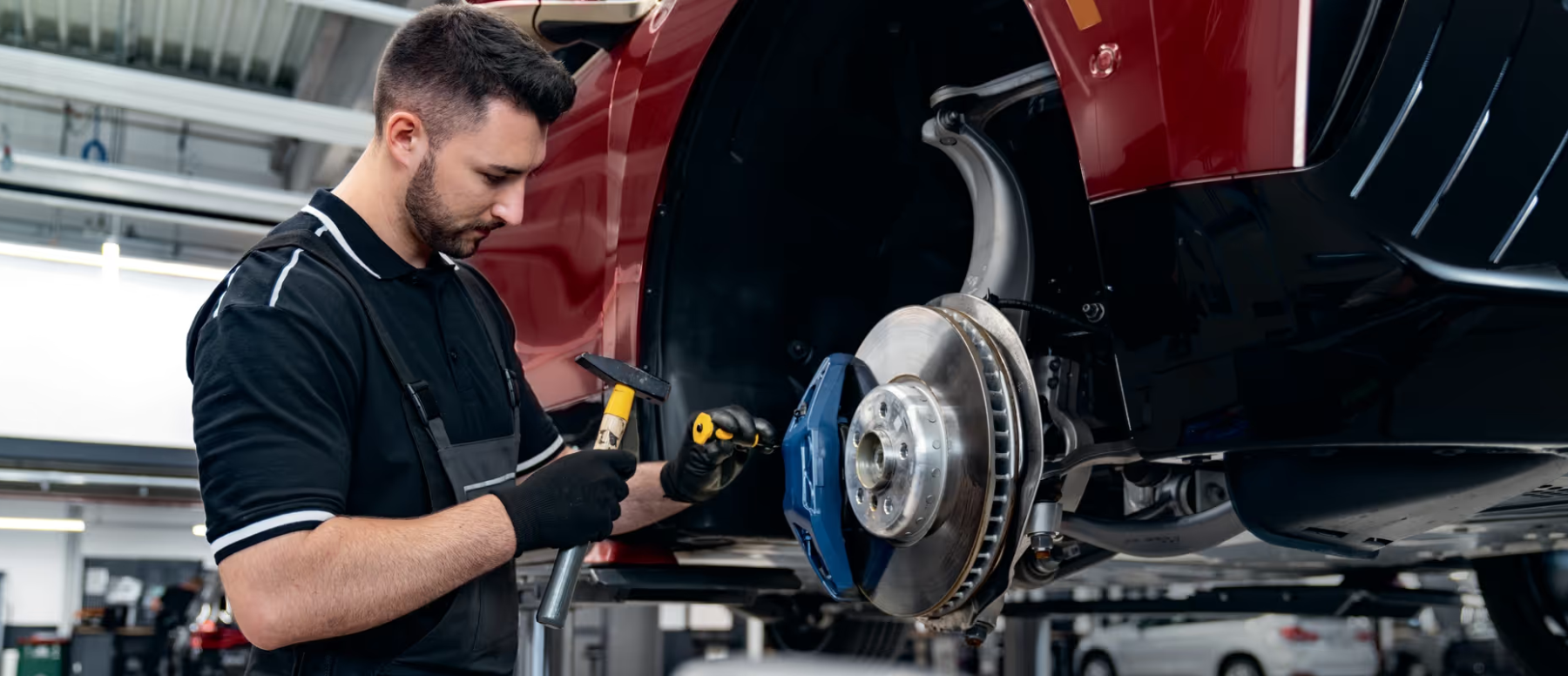
Brake pads and discs are wear components. Their condition depends on driving style, traffic, vehicle weight, road conditions, and prior replacement history.
A BMW used mainly for longer highway trips may experience a different rate of brake wear than one driven primarily in stop-and-go traffic. The vehicle’s CBS information may provide an estimate for front and rear brake service, but a physical inspection can help confirm the remaining condition.
A brake evaluation may include:
- Front and rear brake-pad condition
- Brake-disc surface and thickness
- Brake lines and visible connections
- Brake-fluid status
- Parking-brake operation
- Unusual vibration, noise, or pedal feel
Learn more about BMW brake service in Grand Blanc.
Tire Condition Matters at Higher Mileage
Tires should be checked for more than remaining tread depth. Michigan roads, seasonal temperature changes, potholes, and alignment changes can all affect wear.
A tire inspection may include:
- Tread depth
- Uneven wear patterns
- Sidewall condition
- Inflation pressure
- Tire age
- Matching tire type and size
- Wheel condition
- Signs that an alignment evaluation may be needed

BMW tire service can identify tread wear, pressure concerns, tire damage, and alignment-related wear patterns.
Drivers can also review the BMW Tire Center for tire information and available options.
Is Brake Fluid Automatically Due at 60,000 Miles?
Brake fluid is generally treated as a time-based service rather than a service based only on mileage. The vehicle’s maintenance display can show when brake-fluid replacement is approaching or overdue.
A vehicle that reaches 60,000 miles quickly may have a different brake-fluid timeline from a lower-mileage vehicle of the same age. Review the due date shown in the vehicle and the available maintenance history.
Does a BMW Need a Transmission or Coolant Flush at 60,000 Miles?
A transmission-fluid or coolant service should not automatically be added to every BMW simply because it has reached 60,000 miles.
BMW maintenance requirements vary by model, transmission, powertrain, and model year. Current BMW guidance identifies several systems as using long-term-rated fluids, with replacement required under specific circumstances or when otherwise noted in the maintenance information.
Before approving a flush or fluid replacement, ask:
- Is the service listed for this exact model and model year?
- Is the vehicle displaying a related service notification?
- Is there a leak, repair, contamination, or diagnostic concern?
- Has a previous service changed the normal maintenance timeline?
- What does the applicable BMW Service and Warranty Booklet specify?
What About BMW xDrive Maintenance?
BMW xDrive vehicles include additional drivetrain components. Service requirements for transfer-case or differential fluid vary by model and may be connected to a specific maintenance schedule, repair, or service notification.
Do not assume every BMW xDrive vehicle requires the same drivetrain-fluid service at 60,000 miles. The recommendation should be confirmed by vehicle identification number, model, powertrain, and current BMW service information.
Does a Fully Electric BMW Need 60,000-Mile Service?
A fully electric BMW still requires maintenance, but the service needs differ from those of a gasoline model. A fully electric vehicle does not require engine-oil changes, spark plugs, or an engine air filter.
Relevant maintenance may include:
- Vehicle checks
- Brake-fluid service
- Tire inspection and replacement
- Cabin microfilter replacement
- Brake inspection
- 12-volt battery evaluation
- Charging-port and charging-cable inspection
- Steering, suspension, and underbody inspection
- Software and diagnostic review
BMW battery electric vehicles also use Condition Based Service, with maintenance determined according to the vehicle and applicable time-based requirements.
Does a Plug-In Hybrid Need Different Service?
A BMW plug-in hybrid includes both a gasoline engine and an electrified drive system. It may require engine oil, filters, spark plugs, brake-fluid service, and other gasoline-engine maintenance, along with checks related to its charging equipment and high-voltage systems.
For applicable models, a technician may inspect the charging port and charging cable for wear, corrosion, deformation, or other visible damage.
How Michigan Driving Can Affect Maintenance
Maintenance needs can be affected by how and where a vehicle is driven. Michigan conditions may place added demands on tires, wheels, brakes, batteries, suspension components, and exterior or underbody surfaces.
Factors worth discussing with the service team include:
- Frequent short trips
- Stop-and-go commuting around Flint
- Long periods of idling
- Regular highway travel
- Pothole impacts
- Winter road salt
- Seasonal temperature changes
- Long periods without driving
- Frequent towing or heavier vehicle loads
The dealership’s BMW Ownership and Maintenance Guide provides additional information for drivers in Grand Blanc and surrounding communities.
How Much Does BMW 60,000-Mile Service Cost?
The cost depends on which services are actually due. An appointment involving only scheduled maintenance and inspections will differ from one that also requires spark plugs, filters, brakes, tires, a battery, alignment work, or repairs.
Cost can be affected by:
- Model and model year
- Engine or electric powertrain
- BMW M or non-M configuration
- Maintenance history
- Current wear-item condition
- Parts and fluid requirements
- Diagnostic findings
- Available maintenance coverage
- Current service programs or eligible offers
Ask for an itemized recommendation before work begins. The service advisor can explain which items are currently due, which are based on inspection findings, and which can be planned for a future visit.
Eligible owners can also review BMW Value Service and current service and parts offers. Availability and eligibility vary by model and service.
BMW 60,000-Mile Service Checklist
- Check the current CBS notifications
- Review previous maintenance records
- Confirm the original model year and powertrain
- Ask whether an engine-oil service is due
- Confirm whether spark plugs are due for the specific engine
- Review engine and cabin filter history
- Check the brake-fluid due date
- Inspect brake pads and discs
- Inspect tires, wheels, and wear patterns
- Evaluate the 12-volt battery
- Review open service actions or recalls
- Discuss any warning lights, sounds, vibrations, or changes in performance
- Request an itemized service recommendation
Schedule BMW Service in Grand Blanc
BMW of Grand Blanc supports BMW owners from Grand Blanc, Flint, Burton, Davison, Fenton, and surrounding Genesee County communities. The service team can review your vehicle’s current maintenance information, prior service history, mileage, and condition before recommending work.

Visit BMW of Grand Blanc at 9099 Holly Road for BMW maintenance, inspections, diagnostics, and repair.
Is Your BMW Approaching 60,000 Miles?
Schedule an appointment to review the vehicle’s current service needs, maintenance history, tires, brakes, filters, and overall condition.
Frequently Asked Questions
What maintenance does a BMW need at 60,000 miles?
The answer depends on the model, model year, powertrain, service history, and Condition Based Service information. Possible services may include engine oil, spark plugs, filters, brake fluid, a vehicle check, and inspections of the brakes, tires, battery, suspension, and underbody.
Are spark plugs always replaced at 60,000 miles?
No. Spark-plug intervals vary by model year and engine. Current BMW maintenance information for 2026 combustion-engine vehicles connects spark-plug replacement to approximately the sixth engine-oil service, estimated around 60,000 miles.
Does BMW use a fixed maintenance schedule?
BMW uses Condition Based Service to help forecast maintenance using mileage, time, driving conditions, and vehicle information. Some additional services are linked to specific engine-oil service counts.
Does a BMW need a transmission flush at 60,000 miles?
Not every BMW requires transmission-fluid service at 60,000 miles. The correct recommendation depends on the model, transmission, model year, maintenance information, and whether a repair or other condition requires fluid replacement.
Does a fully electric BMW need 60,000-mile maintenance?
Yes, but it does not require engine oil, spark plugs, or gasoline-engine filters. Maintenance may include tires, brakes, brake fluid, cabin filtration, a vehicle check, the 12-volt battery, charging equipment, and other components.
How do I know which BMW services are due?
Review the service information in the vehicle, the My BMW App when available, and the vehicle’s maintenance records. A BMW-trained technician can also review the applicable service information for the specific vehicle.
Should I service my BMW before or after 60,000 miles?
Do not delay a service that is already shown as due simply to wait for 60,000 miles. Follow the vehicle’s maintenance notifications and applicable BMW maintenance information.
Official BMW Sources
Maintenance requirements vary by model, model year, powertrain, vehicle condition, service history, driving conditions, and applicable BMW maintenance information. The services described are examples and are not a universal 60,000-mile package. Confirm current recommendations for the specific vehicle with BMW of Grand Blanc before authorizing work.
Buying a pre-owned BMW does not always mean choosing between a new vehicle and an ordinary used vehicle. A BMW Certified vehicle provides another option for drivers who want a pre-owned BMW that has completed manufacturer-established eligibility, inspection, and reconditioning requirements.
For shoppers in Grand Blanc, Flint, and throughout Genesee County, understanding the certification process can make it easier to compare vehicles and determine whether the added program benefits align with their ownership plans.

BMW Certified inventory can include sedans, SUVs, plug-in hybrid models, and fully electric vehicles, depending on current availability.
What Does BMW Certified Mean?
BMW Certified is the manufacturer’s certification program for qualifying pre-owned BMW vehicles. A vehicle cannot receive the designation based only on its appearance or model year. It must meet BMW eligibility requirements and complete an inspection and approval process.
BMW currently states that qualifying vehicles must have more than 300 miles but fewer than 60,000 miles on the odometer. The certification process also includes a review of the vehicle’s CARFAX or AutoCheck report, maintenance history, condition, and parts.
The vehicle must then complete an inspection, reconditioning where required, a road test, and final approval by BMW-trained technicians.
BMW Certified Does Not Simply Mean Used
Every BMW Certified vehicle is pre-owned, but not every pre-owned BMW qualifies for BMW Certified status. Certification requires additional eligibility, inspection, and program standards.
BMW Certified vs. Traditional Pre-Owned BMW
| Comparison | BMW Certified Vehicle | Traditional Pre-Owned Vehicle |
|---|---|---|
| Eligibility | Must meet BMW program requirements | Eligibility varies by dealership and vehicle |
| Mileage | More than 300 and fewer than 60,000 miles under current BMW program standards | No universal manufacturer certification limit |
| Inspection | BMW-established inspection and road-test process | Inspection process varies |
| Vehicle-History Review | CARFAX or AutoCheck report reviewed during certification | Vehicle-history information may be available, but requirements vary |
| Limited Warranty | BMW Certified limited-warranty coverage included | Coverage depends on the vehicle and seller |
| Roadside Assistance | Additional BMW Roadside Assistance included under current program terms | Availability varies |
A traditional pre-owned BMW can still be a strong choice. The distinction is that a BMW Certified vehicle comes with a defined manufacturer program and documented certification process.
Which Vehicles Can Qualify for BMW Certified Status?
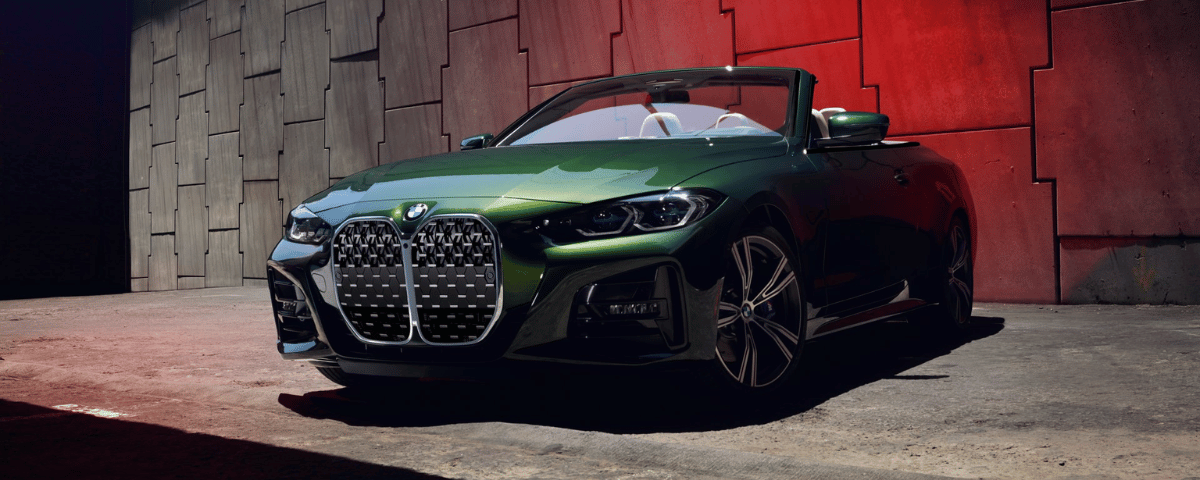
BMW Certified inventory may include sedans, coupes, convertibles, SUVs, plug-in hybrid vehicles, and fully electric BMW models. Availability changes as vehicles are acquired, inspected, sold, or added to the dealership’s inventory.
Meeting the mileage requirement does not automatically make a vehicle eligible. Its maintenance history, condition, vehicle-history report, equipment, diagnostic results, and inspection findings are also considered.

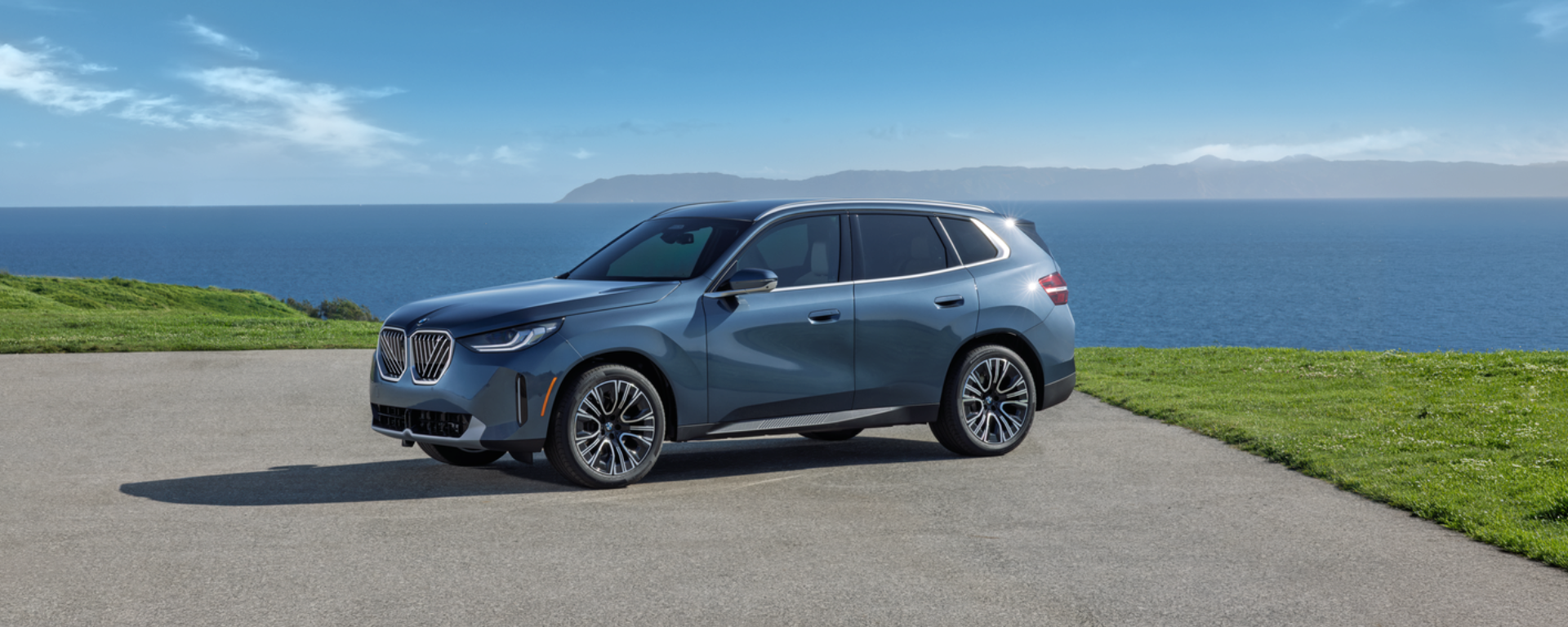
BMW Certified inventory may include popular models such as BMW X3, depending on vehicle eligibility and current availability.
Questions to Ask About a Specific Vehicle
- What is the vehicle’s original in-service date?
- How many miles are currently on the odometer?
- Can I review the CARFAX or AutoCheck report?
- Can I review the maintenance and service history?
- What work was completed during reconditioning?
- When does the remaining original coverage expire?
- When does the BMW Certified limited warranty begin and end?
The answers will vary from one vehicle to another, even when two vehicles are the same model year and trim.
What Does the BMW Certified Inspection Include?
BMW describes its certification process as a comprehensive 360-degree inspection completed and approved by BMW-trained technicians. The process includes visual, mechanical, electrical, diagnostic, and operational checks, followed by a road test.
The inspection may address areas such as:
- Vehicle identification and history
- Engine and drivetrain operation
- Brakes, steering, and suspension
- Tires, wheels, and alignment condition
- Exterior panels, glass, lights, and trim
- Seats, displays, controls, and interior equipment
- Climate-control operation
- Diagnostic systems and warning indicators
- Charging equipment and high-voltage systems when applicable
- Road-test performance

BMW-trained technicians inspect and evaluate qualifying vehicles before BMW Certified status is approved.
Does Certification Mean the Vehicle Will Look New?
BMW Certified vehicles are pre-owned. Normal signs of previous use may still be present, depending on the vehicle’s age, mileage, and history.
Buyers should inspect the paint, wheels, glass, upholstery, trim, cargo area, and frequently touched interior surfaces. Any concerns should be discussed before purchase so expectations are clear.
How Does the BMW Certified Limited Warranty Work?
Every BMW Certified vehicle includes BMW Certified Pre-Owned Limited Warranty coverage. Under current program terms, that coverage lasts for one year with unlimited miles after the original four-year or 50,000-mile new-vehicle coverage expires.
The exact coverage timeline depends on the vehicle’s original in-service date. A lower-mileage vehicle may still have a portion of its original coverage remaining, while an older qualifying vehicle may be closer to the start of its BMW Certified coverage.
Review the Dates, Not Just the Model Year
Ask for the original in-service date and the specific limited-warranty expiration date. Two vehicles from the same model year can have different remaining coverage periods.
Limited-warranty coverage is not the same as complete coverage for every repair or maintenance item. Certain parts, services, wear items, cosmetic conditions, and circumstances may be excluded. Review the current BMW Certified warranty documents before purchasing.
What Other BMW Certified Benefits Are Included?
BMW currently lists additional benefits that may include:
- Three additional years of BMW Roadside Assistance
- A complimentary oil change for eligible gasoline-powered vehicles
- Reconditioning performed according to BMW program standards
- Optional extended protection plans when available
- Access to BMW service and support resources
Program benefits and eligibility can change. Confirm the benefits attached to the specific vehicle before completing the purchase.
What Should Michigan Buyers Inspect?
Michigan weather and road conditions make several vehicle components especially important. Certification provides a structured inspection process, but buyers should still evaluate how the vehicle fits their driving needs.
Tires and Wheels
Review tire tread depth, tire age, brand, model, and whether all four tires are appropriately matched. Ask whether the vehicle is equipped with all-season, summer, or winter tires.
BMW xDrive can support traction, but proper tires remain important during snow, ice, rain, and cold temperatures.
Brakes and Suspension
Listen for unusual noises and pay attention to steering feel, vibration, and braking during the test drive. Michigan potholes and uneven roads can make wheel, tire, alignment, and suspension condition particularly relevant.
Heating and Visibility Equipment
Test the heater, windshield defroster, rear defroster, heated features, wipers, washers, exterior lights, and cameras. These systems become especially important during winter driving.
Exterior and Underbody Condition
Look at the lower body panels, wheel wells, door edges, and visible underbody areas. Ask how the vehicle was used, where it was previously registered, and what reconditioning was completed.
What About BMW Certified Electric and Plug-In Hybrid Vehicles?
BMW Certified inventory can include fully electric and plug-in hybrid models. These vehicles complete certification requirements while also requiring evaluation of their charging and high-voltage systems.
When considering an electrified BMW, ask about:
- High-voltage battery warranty status
- Battery State of Health information when available
- Original in-service date
- Remaining battery coverage
- Charging cable and equipment included with the vehicle
- AC and DC charging compatibility
- Software-update status
- Estimated range for the exact model and configuration
Battery coverage can differ from the general BMW Certified limited warranty. Review the documents for the specific vehicle rather than assuming every electrified BMW has identical coverage.
Should You Get an Independent Inspection?
A BMW Certified vehicle has already completed the manufacturer’s certification process. Some buyers may still prefer an additional inspection or may want a BMW-trained technician to explain the inspection findings, tire measurements, brake condition, and maintenance needs.
The important point is to understand what has been checked, what has been reconditioned, and which maintenance items may be expected during your ownership period.
How Should You Test-Drive a BMW Certified Vehicle?
A test drive should involve more than a short trip around the parking lot. Use the time to evaluate:
- Seat comfort and driving position
- Visibility and mirror adjustment
- Acceleration and transmission operation
- Steering response and straight-line tracking
- Brake feel
- Cabin noise
- Parking cameras and driver-assistance systems
- Navigation, phone pairing, and media controls
- Rear-seat and cargo access
- Charging operation when considering an electrified model
Drive on a combination of local roads and highway routes when possible. This can provide a better sense of how the vehicle behaves during the type of driving you do most often.
Review the Full Cost of Ownership
The vehicle price is only one part of the decision. Before buying, consider:
- Financing terms
- Insurance
- Registration and applicable taxes
- Scheduled maintenance
- Tires and seasonal tire needs
- Fuel or charging costs
- Expected annual mileage
- Remaining warranty coverage
- Optional protection plans
BMW of Grand Blanc provides online tools for shoppers who want to review BMW financing options or complete a finance application.
BMW Certified Buying Checklist
- Confirm the vehicle is listed as BMW Certified
- Review the vehicle-history report
- Review available maintenance records
- Ask what was repaired or replaced during reconditioning
- Confirm the original in-service date
- Request the exact warranty start and expiration dates
- Inspect the tires, wheels, brakes, interior, and exterior
- Test every major technology and convenience feature
- Take a complete test drive
- Review financing and total ownership costs
- Confirm which keys, manuals, cables, and accessories are included
Explore BMW Certified Vehicles in Grand Blanc
BMW Certified vehicles provide Michigan shoppers with another way to experience BMW performance, technology, and craftsmanship. The certification process adds manufacturer-established eligibility requirements, inspection standards, limited-warranty coverage, and ownership benefits.
Inventory changes regularly, so available models, colors, equipment, mileage, and powertrains will vary. Review the details of each vehicle rather than assuming that all BMW Certified models provide the same remaining coverage or equipment.

Visit BMW of Grand Blanc at 9099 Holly Road to explore current BMW Certified inventory and review program details.
Find a BMW Certified Vehicle That Fits Your Needs
Browse current inventory, compare vehicle-history information, review warranty dates, and schedule a test drive at BMW of Grand Blanc.
Browse BMW Certified Inventory
Frequently Asked Questions
What qualifies a vehicle as BMW Certified?
A qualifying vehicle must meet BMW mileage, history, condition, inspection, road-test, and approval requirements. BMW currently requires more than 300 but fewer than 60,000 miles, along with a vehicle-history review and inspection by BMW-trained technicians.
Is every used BMW eligible for BMW Certified status?
No. A used BMW must meet BMW program requirements and complete the certification process. Mileage alone does not guarantee eligibility.
How long is the BMW Certified warranty?
The current BMW Certified Pre-Owned Limited Warranty provides one year of unlimited-mile coverage after the original four-year or 50,000-mile new-vehicle coverage expires. Coverage limitations and exclusions apply.
Does a BMW Certified vehicle include roadside assistance?
BMW currently includes three additional years of BMW Roadside Assistance with BMW Certified vehicles. Confirm the exact coverage period for the vehicle being considered.
Can fully electric BMW vehicles be BMW Certified?
Yes. Qualifying fully electric BMW models can receive BMW Certified status. Buyers should review the high-voltage battery condition, remaining battery warranty, charging equipment, and coverage documents for the specific vehicle.
What should I bring to a BMW Certified test drive?
Consider bringing your driver’s license, child seats, commonly carried equipment, charging questions, and a written list of features you want to test. This makes it easier to evaluate passenger comfort, cargo space, technology, and everyday usability.
Official BMW Sources
BMW Certified eligibility, inspection requirements, warranty terms, roadside assistance, battery coverage, and other program benefits are subject to applicable terms, exclusions, and changes. Vehicle availability and condition vary. Review the documents for the specific vehicle and confirm current program information with BMW of Grand Blanc before purchase.
BMW X3 vs. BMW X5: Which SUV Fits Michigan Driving?
BMW X3 and BMW X5 are both five-passenger SUVs with available technology, flexible cargo areas, and BMW xDrive intelligent all-wheel drive. The main difference is size. BMW X3 has a more compact footprint for commuting and everyday driving, while BMW X5 provides more power, cargo capacity, towing capability, and interior room.
For many Michigan drivers, the decision comes down to how much space they need, where they drive most often, and whether they prioritize easier maneuverability or added capability. This comparison looks at 2026 BMW X3 30 xDrive and 2026 BMW X5 xDrive40i.

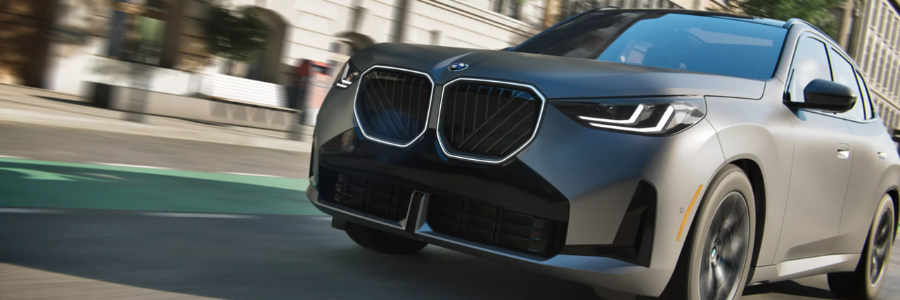
BMW X3 and BMW X5 offer different combinations of size, power, cargo flexibility, and everyday usability.
BMW X3 vs. BMW X5 at a Glance
| Comparison | 2026 BMW X3 30 xDrive | 2026 BMW X5 xDrive40i |
|---|---|---|
| Engine | 2.0-liter BMW TwinPower Turbo four-cylinder with 48V mild-hybrid technology | 3.0-liter BMW TwinPower Turbo inline-six with 48V mild-hybrid technology |
| Horsepower | 255 horsepower | 375 horsepower |
| Drivetrain | BMW xDrive intelligent all-wheel drive | BMW xDrive intelligent all-wheel drive |
| Length | 187.2 inches | Approximately 194 inches |
| Cargo Space Behind Second Row | 31.5 cubic feet | 33.9 cubic feet |
| Maximum Towing | Up to 4,001 pounds when properly equipped | Up to 7,200 pounds when properly equipped |
| Best Suited For | Commuting, everyday errands, smaller households, and drivers who prefer a compact footprint | Longer trips, additional cargo, greater towing needs, and drivers who want more power and space |
Specifications are based on current BMW USA information for the models shown. Equipment, configuration, passengers, cargo, accessories, and driving conditions can affect vehicle capability.
Meet 2026 BMW X3 30 xDrive
BMW X3 30 xDrive is the smaller of the two models, but it still provides seating for five, a flexible rear cargo area, and standard BMW xDrive. Its dimensions can make it easier to maneuver through parking areas, residential garages, and everyday traffic around Grand Blanc and Flint.
The 2.0-liter BMW TwinPower Turbo four-cylinder engine works with 48V mild-hybrid technology and produces 255 horsepower. BMW X3 30 xDrive also offers up to 4,001 pounds of towing capability when properly equipped with the factory-installed trailer hitch.

BMW X3 30 xDrive combines a compact exterior footprint with five-passenger seating and flexible cargo space.
BMW X3 May Be a Better Fit If You:
- Primarily use your vehicle for commuting and daily errands
- Want BMW xDrive in a more compact SUV
- Regularly park in smaller garages or busy parking areas
- Need cargo flexibility without moving into a larger vehicle
- Want balanced power for everyday Michigan driving
Explore additional features on the BMW X3 research page.
Meet 2026 BMW X5 xDrive40i
BMW X5 xDrive40i is larger, more powerful, and designed for drivers who need additional capability. Its 3.0-liter BMW TwinPower Turbo inline-six engine uses 48V mild-hybrid technology and produces 375 horsepower.
BMW X5 offers more cargo room behind the second row and expands to 72.3 cubic feet when the rear seats are folded. Its available factory-installed trailer hitch supports towing of up to 7,200 pounds when properly equipped.

BMW X5 xDrive40i provides additional power, cargo capacity, and towing capability for drivers with larger transportation needs.
BMW X5 May Be a Better Fit If You:
- Regularly travel with several passengers and their luggage
- Need more cargo room for road trips, recreation, or family activities
- Want the power of a BMW TwinPower Turbo inline-six engine
- Plan to tow and require greater maximum capability
- Prefer a larger cabin and more substantial road presence
Review the model in greater detail on the BMW X5 research page.
Comparing BMW X3 and BMW X5 Interior Technology
Both models place vehicle information, navigation, entertainment, and connected features within a driver-focused digital environment. The layouts differ, but each cabin is designed to provide clear access to frequently used controls.
BMW X3 Dashboard
BMW X3 uses a modern, streamlined cockpit with BMW Curved Display and a dashboard designed to keep important information within the driver’s natural field of view.
BMW X5 Dashboard
BMW X5 provides a wider cabin presentation with an expansive digital interface and controls arranged around the driver and front passenger area.
Center Console and Everyday Controls
The center console can make a noticeable difference during everyday ownership. Storage, cupholders, drive controls, and frequently used vehicle functions should feel comfortable during a test drive.
BMW X3 Center Console
The compact console supports the streamlined character of BMW X3 while keeping essential controls accessible to the driver.
BMW X5 Center Console
The broader console complements the larger cabin and provides a substantial division between the driver and front passenger areas.
BMW X3 vs. BMW X5 Seating and Passenger Space
BMW X3 and BMW X5 both provide seating for up to five people, but the overall cabin experience is different. BMW X3 balances passenger comfort with a more compact exterior size, while BMW X5 provides a roomier environment for drivers who regularly carry adults, child seats, luggage, or travel equipment.
BMW X3 Seating
BMW X3 provides a comfortable five-passenger cabin while maintaining a compact footprint for commuting, parking, and everyday driving around Grand Blanc and Flint.
BMW X5 Seating
BMW X5 offers a larger cabin with additional room for passengers who regularly take longer trips or need more space for people and cargo at the same time.
The most useful comparison is an in-person one. Bring the passengers, child seats, or everyday items you expect to carry when you schedule a BMW test drive.
BMW X3 vs. BMW X5 Cargo Space
BMW X3 offers 31.5 cubic feet of cargo capacity behind the rear seats. BMW X5 xDrive40i provides 33.9 cubic feet behind its second row and up to 72.3 cubic feet when the rear seats are folded.
The difference is not only the published capacity. The shape of the cargo floor, height of the load area, rear-seat folding arrangement, and size of the items being carried can affect which model works better for an owner.
BMW X3 Cargo Area
BMW X3 may provide the right balance for groceries, luggage, sports equipment, and everyday household needs without the exterior dimensions of a larger SUV.
BMW X5 Cargo Area
BMW X5 provides added flexibility for larger travel bags, recreation equipment, home projects, and longer trips that require more cargo.
Which BMW SUV Is Easier to Drive Every Day?
BMW X3 may feel more natural to drivers moving from a sedan or smaller crossover. Its shorter overall length can help when navigating parking structures, residential garages, and crowded lots.
BMW X5 has a larger footprint, but the added size provides more room and capability. Drivers who regularly travel on Michigan highways or carry passengers and cargo may consider that tradeoff worthwhile.
Both selected models include BMW xDrive intelligent all-wheel drive. This system can support traction during changing road conditions, but it does not replace appropriate tires, careful driving, or increased following distance in rain, ice, or snow.
BMW X3 or BMW X5 for Michigan Road Trips?
BMW X3 can be a capable road-trip vehicle for drivers who pack lighter or prefer a more compact model. Its cargo area can accommodate luggage while leaving the rear seats available for passengers.
BMW X5 may be the stronger choice when the trip includes more people, larger bags, outdoor equipment, or towing. The inline-six engine also provides additional power for merging, passing, and carrying heavier loads.
Before selecting either model, consider:
- How many passengers normally travel with you
- How often the second row is occupied
- The size and shape of your regular cargo
- Whether you plan to tow
- The dimensions of your garage or parking area
- How often you commute compared with taking longer trips
BMW X3 vs. BMW X5: Which Should You Choose?
Choose BMW X3 If:
- You want a more compact five-passenger SUV
- Most of your driving involves commuting and daily errands
- You need useful cargo capacity but not maximum space
- You prefer easier maneuverability and parking
- Up to 4,001 pounds of towing is sufficient when properly equipped
Choose BMW X5 If:
- You want more power and interior room
- You regularly carry passengers and cargo together
- You need greater towing capability
- You take frequent road trips or transport larger equipment
- You prefer the feel and presence of a larger SUV
Compare BMW X3 and BMW X5 in Grand Blanc
Specifications can help narrow the choices, but seating comfort, visibility, control layout, cargo access, and driving feel are best evaluated in person. BMW of Grand Blanc can help drivers compare available BMW X3 and BMW X5 configurations based on their daily routine.

Visit BMW of Grand Blanc to compare BMW X3 and BMW X5 in person.
Experience Both BMW Models
Explore current BMW inventory, sit inside both models, compare the cargo areas, and schedule a test drive before deciding which SUV is right for you.
Frequently Asked Questions
What is the main difference between BMW X3 and BMW X5?
BMW X3 is the more compact SUV, while BMW X5 is larger and provides more horsepower, cargo capacity, and maximum towing capability. Both models offer five-passenger seating and BMW xDrive intelligent all-wheel drive in the configurations compared.
Is BMW X5 much bigger than BMW X3?
BMW X3 measures 187.2 inches long, while BMW X5 xDrive40i measures approximately 194 inches long. BMW X5 is also wider and provides more interior and cargo space.
Which has more cargo space, BMW X3 or BMW X5?
BMW X3 offers 31.5 cubic feet of cargo space. BMW X5 xDrive40i provides 33.9 cubic feet behind the second row and up to 72.3 cubic feet with the rear seats folded.
Do BMW X3 and BMW X5 have all-wheel drive?
BMW X3 30 xDrive and BMW X5 xDrive40i both include BMW xDrive intelligent all-wheel drive. Other BMW X5 configurations may use a different drivetrain, so shoppers should verify the exact model.
Which is better for towing, BMW X3 or BMW X5?
BMW X5 provides greater maximum towing capability. BMW X5 can tow up to 7,200 pounds, while BMW X3 30 xDrive can tow up to 4,001 pounds when each vehicle is properly equipped with the required factory-installed trailer hitch.
Should I test-drive BMW X3 and BMW X5 before choosing?
Yes. A test drive allows you to compare visibility, maneuverability, seating, technology, cargo access, and driving feel. Trying both models with your typical passengers or cargo can make the differences easier to evaluate.
Official BMW Sources
Vehicle specifications and features are based on current manufacturer information and may change. Towing figures are maximum available ratings when properly equipped with the required factory-installed trailer hitch. Passengers, cargo, equipment, accessories, road conditions, and vehicle configuration may affect capability. Confirm current specifications and availability with BMW of Grand Blanc.
A gasoline BMW is refueled with gasoline and does not need to be plugged in. A BMW plug-in hybrid combines a gasoline engine with an electric motor and a rechargeable battery. A fully electric BMW operates without a gasoline engine and relies on home or public charging.
The right choice depends on your daily mileage, access to charging, longer-trip habits, and the BMW models currently available. Drivers near Grand Blanc, Flint, and throughout Genesee County can use this guide to understand how the three powertrain types differ before exploring the current new BMW inventory.

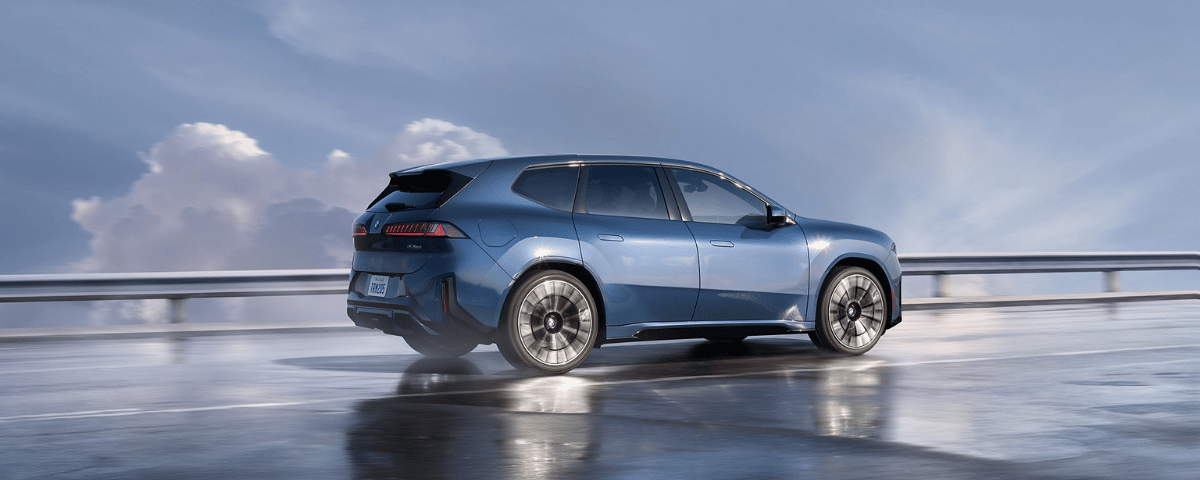
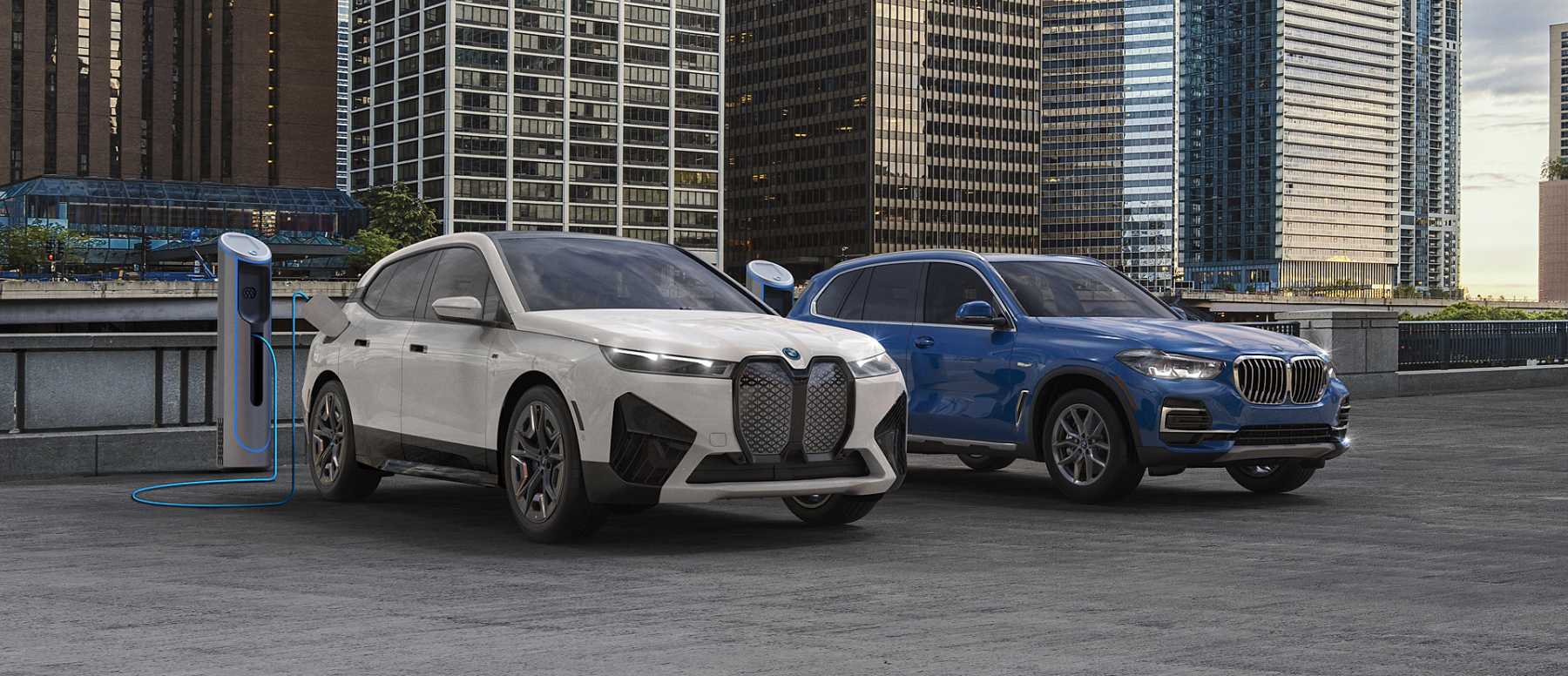
BMW plug-in hybrid and fully electric models offer different approaches to daily driving, charging, and longer trips.
Gasoline, Plug-In Hybrid, and Fully Electric BMW Powertrains
The largest differences involve how the vehicle receives energy, whether it needs to be charged, and what happens during a longer trip.
| Powertrain | Primary Energy Source | Does It Need Charging? | BMW Example |
|---|---|---|---|
| Gasoline | Gasoline | No | BMW X5 xDrive40i |
| Plug-In Hybrid | Gasoline and stored electricity | Charging is recommended | BMW X5 xDrive50e |
| Fully Electric | Stored electricity | Yes | BMW iX |
How Does a Gasoline BMW Work?
A gasoline BMW uses an internal-combustion engine and is refueled at a gasoline station. It does not require a home charger or a public charging stop.
Some current gasoline BMW models may also use mild-hybrid technology to support vehicle operation. A mild-hybrid system is different from a plug-in hybrid. It is not plugged into an external charger and is not designed to provide the same type of extended electric-only driving as a plug-in hybrid.

BMW X5 xDrive40i offers a gasoline-based powertrain and familiar refueling for daily travel and longer drives.
Who May Prefer a Gasoline BMW?
A gasoline BMW may be a practical fit for drivers who:
- Do not have convenient access to home charging
- Regularly drive long distances
- Prefer familiar gasoline refueling
- Frequently travel in areas with limited charging access
- Do not want to plan daily driving around battery charging
Gasoline models can also make sense for Michigan drivers who regularly travel beyond Genesee County or take extended trips where charging availability may vary.
Drivers considering a gasoline Sports Activity Vehicle can learn more on the BMW X5 research page.
How Does a BMW Plug-In Hybrid Work?
A BMW plug-in hybrid, commonly called a PHEV, combines a gasoline engine with an electric motor and a rechargeable high-voltage battery. The vehicle can use electric power during shorter trips and gasoline power when additional driving range is needed.
The battery can be charged at home or at a compatible public charging station. Charging is recommended because it allows the driver to make greater use of the electric portion of the powertrain.

BMW X5 xDrive50e combines a gasoline engine with a rechargeable electric motor and battery.
What Happens When the Battery Charge Is Used?
A plug-in hybrid does not become unusable when its available electric charge has been used. The gasoline engine can continue supporting the trip. The vehicle also recovers some energy while coasting or braking.
BMW X5 xDrive50e is one example of this approach. BMW states that the model can provide an electric range of up to 38 miles under ideal conditions. Actual electric range can vary based on temperature, traffic, wheel and tire selection, driving style, accessory use, and other conditions.
Who May Prefer a BMW Plug-In Hybrid?
A BMW plug-in hybrid may be worth considering for drivers who:
- Can charge at home regularly
- Have a shorter daily commute
- Want gasoline capability for longer trips
- Want to complete some local drives using electric power
- Are interested in an electrified powertrain but are not ready to rely entirely on public charging
For a driver commuting between Grand Blanc and Flint, the ability to charge at home may allow the electric motor to handle more of the routine drive. Longer Michigan trips can continue with support from the gasoline engine.
A Plug-In Hybrid Works Best When It Is Plugged In
A BMW plug-in hybrid can continue operating with its gasoline engine, but regular charging helps the owner use more of the electric driving capability built into the vehicle.
How Does a Fully Electric BMW Work?
A fully electric BMW uses electric motors powered by energy stored in a high-voltage battery. It does not have a gasoline engine and does not visit a gasoline station for fuel.
Charging can take place at home, at work, or through a compatible public charging network. Many owners complete most charging at home and use public charging for longer drives or when additional energy is needed away from home.

BMW iX operates without a gasoline engine and relies on home or public charging.
Do You Need a Home Charger for a Fully Electric BMW?
A home charger is not an absolute requirement, but reliable home charging can make fully electric ownership more convenient. BMW electric vehicles can use compatible household or higher-output charging equipment, depending on the installation and vehicle.
Drivers without home charging should evaluate nearby public charging locations, workplace charging, daily mileage, and how often they take longer trips before selecting a fully electric model.
Who May Prefer a Fully Electric BMW?
A fully electric BMW may fit drivers who:
- Have dependable charging at home or work
- Know approximately how many miles they drive each day
- Are comfortable planning charging during longer trips
- Want a vehicle that operates without a gasoline engine
- Prefer the power delivery and driving characteristics of an electric motor
Drivers can review the dealership’s current BMW Electric inventory. Availability can change, so shoppers should confirm which models are in stock, in transit, or available to order.
How Does Michigan Weather Affect Electrified Driving?
Outside temperature can affect battery range, charging time, and energy use in both plug-in hybrid and fully electric vehicles. Cold weather may increase the energy needed to warm the cabin and battery, while very warm weather may increase climate-control use.
Actual range can also be influenced by:
- Driving speed and acceleration
- Traffic and trip length
- Wheel and tire selection
- Passenger and cargo load
- Cabin heating and air conditioning
- Charging frequency
Preconditioning can help prepare the cabin while the vehicle is still connected to a charger. Drivers should still expect range to change throughout Michigan’s different seasons.
Which BMW Powertrain Is Better for Long Trips?
There is no single answer for every driver.
A gasoline BMW provides familiar refueling and may require the least amount of travel planning. A BMW plug-in hybrid provides electric capability for shorter drives while retaining a gasoline engine for longer distances. A fully electric BMW can handle longer trips, but the route may require planned charging stops.
The best option depends on where you travel, how long you normally stop, and whether charging is available along the route.
Which BMW Powertrain Fits Your Daily Routine?
Choose Gasoline If
You prefer familiar refueling, regularly take longer trips, or do not have convenient access to charging.
Consider Plug-In Hybrid If
You can charge regularly, have a shorter daily drive, and still want gasoline capability for longer travel.
Consider Fully Electric If
You have dependable charging access and your typical driving routine fits comfortably within your charging plan.
It is also important to consider the vehicle itself. Passenger space, cargo needs, driving position, available technology, and current inventory may matter just as much as the powertrain.
Compare BMW Models in Grand Blanc
BMW of Grand Blanc can help drivers compare gasoline, plug-in hybrid, and fully electric BMW options based on their actual driving routine. Inventory changes regularly, and not every powertrain or model will be available at the same time.
Drivers near Grand Blanc, Flint, Fenton, Davison, Burton, and surrounding Genesee County communities can begin by reviewing current inventory and BMW model information online.
Find the BMW That Fits How You Drive
Compare current BMW models, powertrains, passenger space, technology, and available configurations before selecting your next vehicle.
Frequently Asked Questions
What is the difference between a gasoline, plug-in hybrid, and fully electric BMW?
A gasoline BMW uses a gasoline engine and does not require charging. A BMW plug-in hybrid combines a gasoline engine with an electric motor and rechargeable battery. A fully electric BMW uses electric motors and a battery without a gasoline engine.
Does a BMW plug-in hybrid need to be charged?
Charging is strongly recommended because it allows the vehicle to use more of its electric driving capability. If available battery charge is used, the gasoline engine can continue supporting the trip.
Can a BMW plug-in hybrid be driven without charging it?
A BMW plug-in hybrid can still operate using its gasoline engine. However, repeatedly driving without charging limits the benefit of having a rechargeable electric powertrain.
Is a home charger required for a fully electric BMW?
A home charger is not required in every situation, but dependable home or workplace charging generally makes fully electric ownership more convenient. Drivers relying on public charging should evaluate nearby stations and their daily mileage.
Does cold weather reduce electric BMW range?
Cold temperatures can affect battery range and energy use. Cabin heating, driving style, tire selection, traffic, and other conditions can also influence the distance available from a charge.
Which BMW powertrain is best for long-distance driving?
A gasoline BMW generally requires the least charging-related planning. A plug-in hybrid provides gasoline capability after its electric range is used. A fully electric BMW can support long trips when charging stops are planned along the route.
Official BMW Sources
- BMW X5 Model Information
- BMW Plug-In Hybrid Vehicle Information
- BMW iX Model and Charging Information
Model specifications, estimated electric range, charging performance, and vehicle availability may change. Actual range and charging results vary based on vehicle configuration, driving conditions, outside temperature, charging equipment, and other factors. Contact BMW of Grand Blanc to confirm current inventory and model information.
BMW tire replacement cost can vary based on the vehicle, wheel size, tire construction, driving season, and the number of tires being replaced. A BMW Sports Activity Vehicle with larger wheels may require a different tire than a BMW sedan with a smaller wheel and tire package.
The most accurate way to estimate replacement cost is to identify the correct tire specifications for your vehicle and compare the available options. BMW owners near Grand Blanc, Flint, and throughout Genesee County can review current BMW tire pricing or have their tires inspected at BMW of Grand Blanc.

Tire size, construction, tread condition, and installation needs can all affect BMW tire replacement cost.
What Affects BMW Tire Replacement Cost?
There is no single replacement price that applies to every BMW vehicle. Several factors determine the cost of the tire and the services that may be needed during installation.
BMW Model and Wheel Size
Tire size varies between BMW models, trims, wheel packages, and available equipment. Larger wheels and wider performance-oriented tires may have different pricing than tires fitted to smaller wheel configurations.
Tire Type and Construction
Summer, all-season, winter, performance, and run-flat tires are designed for different driving conditions. The construction and intended use of the tire can affect its replacement cost.
Number of Tires Replaced
The final total will depend on whether one tire, a pair of tires, or a complete set is needed. Tread depth and the condition of the remaining tires should be evaluated before making that decision.
Installation Services
Mounting, balancing, tire disposal, valve components, alignment, or Tire Pressure Monitor service may be needed in addition to the replacement tires.
What Are BMW Star-Marked Tires?
BMW Star-Marked tires can be identified by a star symbol on the tire sidewall. These tires are specially developed for BMW vehicles and selected to complement the vehicle’s steering, suspension, braking, and performance characteristics.
BMW recommends selecting star-marked tires again when replacing tires that were specially developed for the vehicle. BMW also recommends using tires of the same make and tread design when appropriate.

The star symbol identifies a tire that was specially developed for BMW vehicle applications.
A tire may display the correct general size while still differing in load rating, speed rating, construction, or compatibility with a particular BMW configuration. The team at the BMW Tire Center in Grand Blanc can help identify appropriate options for your vehicle.
Information to Have Available
Having the vehicle identification number, current tire size, model year, and wheel package available can make it easier to identify suitable replacement tires and prepare an accurate estimate.
Should All Four BMW Tires Be Replaced Together?
Not every tire issue automatically requires four new tires. The appropriate recommendation depends on the cause of the damage, remaining tread depth, tire age, tire construction, and the condition of the other tires.
Replacing a single tire may be possible when the other tires have similar tread depth and the replacement matches the required specifications. When the remaining tires show significant wear or uneven tread depth, replacing a pair or complete set may be more appropriate.
For BMW xDrive vehicles, a technician should evaluate the specifications and tread condition of all four tires before recommending a replacement plan.
Does Wheel Alignment Affect Tire Replacement Cost?
Wheel alignment is separate from the cost of replacement tires, but it may be recommended when uneven tread wear is present. Installing new tires without correcting an alignment problem can allow the same wear pattern to develop on the replacement set.
Signs that an alignment inspection may be helpful include:
- Uneven wear across the inner or outer edge of a tire
- A steering wheel that is not centered while driving straight
- The vehicle pulling toward one side
- Recent contact with a pothole, curb, or road debris
- Changes in steering response
Michigan roads can expose wheels and tires to potholes, temperature changes, and changing pavement conditions. A tire and alignment inspection can identify wear before it becomes more extensive.
When Should BMW Tires Be Replaced?
Tires should be evaluated based on their condition rather than mileage alone. Driving habits, road surfaces, weather, tire type, inflation pressure, alignment, and vehicle configuration can all affect how quickly a tire wears.
Tire replacement may be recommended when a tire has:
- Insufficient remaining tread depth
- Cracking, bulging, or visible sidewall damage
- A puncture that cannot be repaired properly
- Uneven or irregular tread wear
- Persistent vibration or loss of pressure
- Signs of age-related deterioration
A Tire Pressure Monitor warning does not always mean the tire needs to be replaced. The warning may result from changing temperatures, incorrect inflation pressure, a puncture, or a sensor issue. The tire should be inspected before deciding whether a repair or replacement is appropriate.
How Michigan Driving Conditions Affect BMW Tires
BMW owners in Grand Blanc and Flint encounter a wide range of driving conditions throughout the year. Summer heat, winter temperatures, standing water, snow, road salt, potholes, and changing pavement conditions can all affect tire performance and wear.
Drivers who use dedicated winter and summer tires should inspect tread condition during each seasonal change. Drivers using all-season tires should also review tread depth and overall condition before winter or an extended summer drive.
Before traveling across Michigan, review our guide to BMW tire service before a summer road trip.
Why Get an Exact BMW Tire Estimate?
Online tire prices can provide a starting point, but they may not include every part or service required for the vehicle. An accurate estimate should account for the correct tire specifications, installation, balancing, applicable valve or sensor components, and any alignment work recommended after inspection.
BMW of Grand Blanc can inspect the current tires, measure tread depth, check for uneven wear, and identify suitable replacement options. This gives the owner a clearer understanding of what is needed before service begins.

A professional tire inspection can help determine whether one tire, a pair, or a complete set should be replaced.
Schedule BMW Tire Service in Grand Blanc
BMW of Grand Blanc provides tire inspections, replacement, balancing, and related service for BMW owners near Grand Blanc, Flint, and surrounding Genesee County communities.
Frequently Asked Questions
How much do BMW tires cost?
BMW tire cost depends on the model, wheel size, tire specifications, construction, manufacturer, and number of tires being replaced. Installation, balancing, alignment, and Tire Pressure Monitor components may also affect the final estimate.
Do I need BMW Star-Marked tires?
BMW recommends selecting star-marked tires again when replacing tires that were specially developed for the vehicle. A BMW service professional can confirm which tires are appropriate for the specific model and equipment.
Can I replace only one tire on my BMW?
Replacing one tire may be possible when the remaining tires have compatible specifications and similar tread depth. The condition of all four tires should be measured before deciding whether one tire, a pair, or a complete set should be replaced.
Does BMW tire replacement include alignment?
Alignment is generally a separate service. It may be recommended when the existing tires show uneven wear, the vehicle pulls to one side, or the wheel alignment may have been affected by a pothole or curb impact.
Why are some BMW tire sizes more expensive?
Larger wheel sizes, wider tread widths, performance specifications, run-flat construction, seasonal compounds, and product availability can influence tire pricing.
Where can I replace BMW tires near Flint?
BMW owners near Flint can schedule tire inspection and replacement at BMW of Grand Blanc, located at 9099 Holly Road in Grand Blanc, Michigan.
BMW tire guidance source: BMW USA Wheels and Tires FAQ.
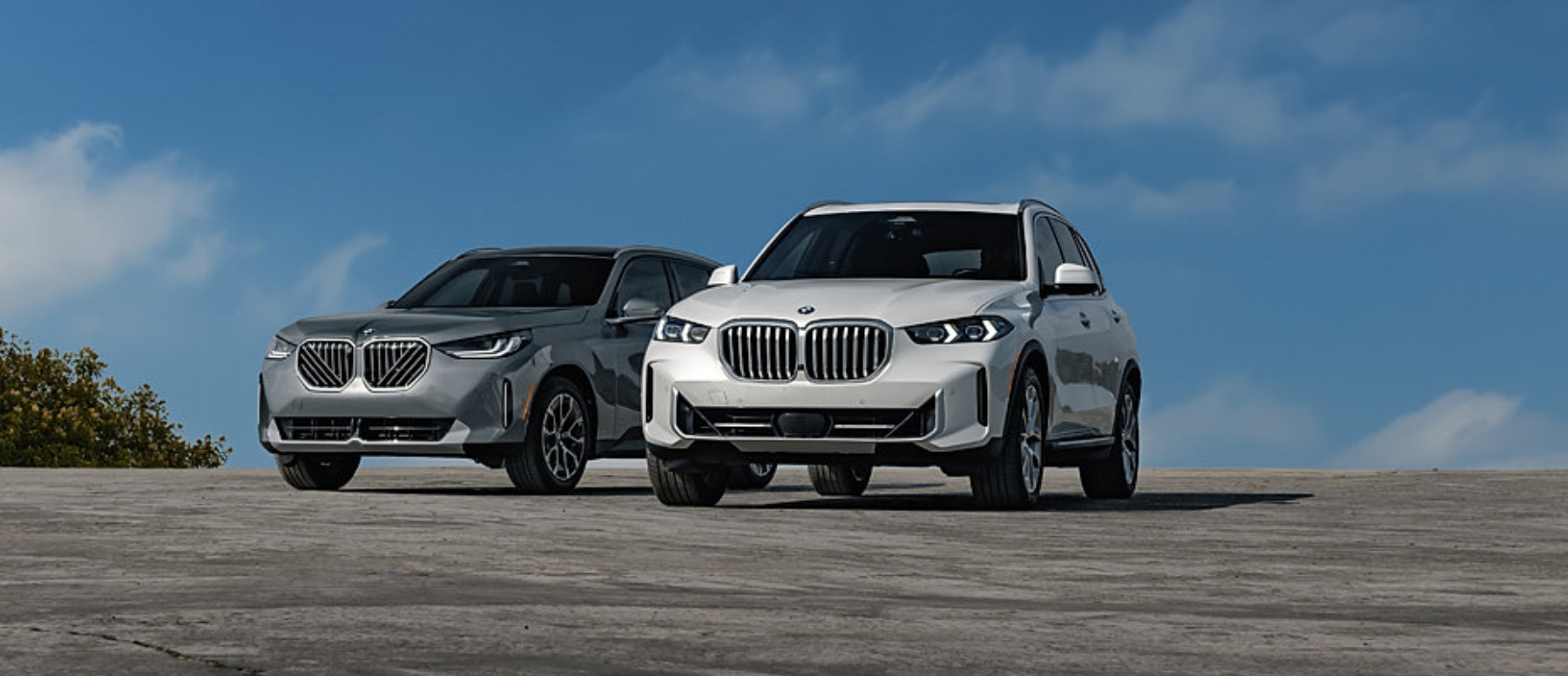
Which BMW SUV Is Right for Your Michigan Lifestyle?

BMW Sports Activity Vehicles continue to be popular among drivers throughout Grand Blanc, Flint, Fenton, and Mid-Michigan. With a range of sizes, capabilities, and premium features available, choosing the right BMW SUV often comes down to your lifestyle, driving habits, and passenger needs.
Whether you’re looking for a versatile daily driver, a spacious family vehicle, or a premium SUV designed for long-distance comfort, BMW offers a model designed to fit your needs.
Why BMW SUVs Continue to Grow in Popularity
BMW Sports Activity Vehicles combine premium comfort, advanced technology, versatile cargo space, and the engaging driving experience BMW is known for. For Michigan drivers, SUVs provide flexibility for changing weather conditions, family schedules, and weekend travel.
Versatility
Flexible cargo space and seating help support active lifestyles.
Comfort
Premium interiors and advanced technology enhance every drive.
Capability
BMW engineering delivers confident performance throughout Michigan’s changing seasons.

BMW X3: A Great Fit for Everyday Driving
The BMW X3 remains one of the most popular BMW SUVs thanks to its balance of comfort, versatility, and performance. Its size makes it easy to maneuver while still providing ample cargo space and passenger comfort.
The X3 is often a strong fit for professionals, couples, small families, and drivers who want the flexibility of an SUV without moving into a larger vehicle class.
- Comfortable for daily commuting
- Versatile cargo space
- Premium technology features
- Balanced size for city and highway driving

BMW X5: Space, Luxury, and Capability
The BMW X5 offers additional passenger room, cargo capacity, and available luxury features. For many Michigan families, the X5 provides an ideal blend of practicality and premium comfort.
Its larger footprint creates additional interior flexibility while maintaining the responsive driving dynamics that have made BMW Sports Activity Vehicles so popular.
Family-Friendly Space
Additional room for passengers and cargo.
Premium Comfort
Designed for daily driving and longer trips alike.
Versatile Capability
Ready for everything from commuting to weekend adventures.

BMW X7: The Largest BMW SUV
For drivers who want maximum passenger space and premium appointments, the BMW X7 represents the largest SUV in the BMW lineup. Its spacious interior and available third-row seating make it attractive for larger families and drivers who frequently travel with passengers.
The X7 delivers a refined driving experience while providing the comfort and versatility expected from a flagship BMW Sports Activity Vehicle.
- Available three-row seating
- Spacious passenger accommodations
- Premium interior appointments
- Excellent long-distance comfort

Which BMW SUV Is Right for You?
The best BMW SUV depends on your daily routine, passenger requirements, and driving preferences.
Choose the X3
If you want a versatile luxury SUV that is easy to live with every day.
Choose the X5
If you need additional space while maintaining premium comfort and performance.
Choose the X7
If maximum passenger space and luxury are your top priorities.
Comparing these vehicles in person can be one of the best ways to determine which BMW SUV fits your lifestyle.
Explore BMW SUV Inventory
Compare BMW X3, X5, X7, and other BMW Sports Activity Vehicles available at BMW of Grand Blanc.
BMW SUVs in Grand Blanc, MI
BMW of Grand Blanc proudly serves drivers from Grand Blanc, Flint, Fenton, and surrounding Mid-Michigan communities with new BMW SUVs, BMW Certified Pre-Owned vehicles, financing assistance, and professional BMW service.

BMW Certified Pre-Owned vehicles offer an appealing path into BMW ownership for drivers who want premium craftsmanship, advanced technology, and confident performance. For shoppers throughout Grand Blanc, Flint, Fenton, and surrounding Mid-Michigan communities, BMW Certified inventory provides another way to experience the BMW brand.
Whether you are considering a sedan, Sports Activity Vehicle, or electrified BMW model, BMW Certified Pre-Owned vehicles allow you to explore a range of options while shopping through a dedicated BMW retailer.
What Makes BMW Certified Pre-Owned Different?
A BMW Certified Pre-Owned vehicle is not simply a pre-owned vehicle. BMW Certified models must meet specific brand standards before earning certification, giving shoppers added confidence as they compare available vehicles.
BMW Standards
BMW Certified vehicles are evaluated according to certification requirements established by BMW.
Premium Features
Many BMW Certified models include refined interiors, advanced technology, and driver-focused amenities.
BMW Performance
Experience the responsive handling and engineering that continue to define BMW ownership.

A Smart Way to Explore BMW Ownership
For many drivers, BMW Certified Pre-Owned inventory provides access to premium vehicles with the design, comfort, and technology they want. It can also expand the range of available model years, body styles, and feature combinations.
This makes BMW Certified inventory especially useful for shoppers comparing different BMW models before deciding which vehicle best fits their lifestyle.
- Explore a wider range of BMW models
- Compare sedan and Sports Activity Vehicle options
- Find premium features and technology
- Experience BMW engineering and craftsmanship

BMW Certified SUVs for Michigan Drivers
BMW Sports Activity Vehicles continue to be a strong choice for Michigan drivers who want space, capability, and premium comfort. Models such as the BMW X3, BMW X5, and BMW X7 offer versatile interiors, confident performance, and technology designed for everyday driving.
For families, commuters, and drivers who enjoy weekend travel, a BMW Certified SUV can provide the flexibility needed for changing seasons and changing schedules.
Daily Comfort
BMW SUVs offer refined interiors and technology designed to support everyday driving.
Versatile Space
Flexible cargo and passenger room make BMW Sports Activity Vehicles practical for Michigan lifestyles.
Confident Driving
Available BMW performance and traction technologies help support year-round driving needs.

Technology and Electrified BMW Options
BMW Certified inventory may also include models with advanced connectivity, driver assistance features, and electrified driving technology. For shoppers interested in innovation, this can be an excellent way to explore modern BMW features in a pre-owned vehicle.
From intuitive infotainment systems to available electrified models, BMW Certified inventory gives drivers the opportunity to compare features that support both comfort and convenience.

BMW Certified Vehicles for Real Life in Michigan
Michigan drivers need vehicles that can support daily commutes, family schedules, weekend travel, and changing road conditions. BMW Certified Pre-Owned vehicles provide a premium driving experience while offering a range of choices for different needs.
Whether you are driving through Grand Blanc, commuting to Flint, visiting Fenton, or planning a longer road trip, the right BMW Certified vehicle can bring comfort, capability, and refinement to the drive.
Browse BMW Certified Inventory
Explore BMW Certified Pre-Owned vehicles available at BMW of Grand Blanc.
BMW Certified Pre-Owned in Grand Blanc, MI
BMW of Grand Blanc proudly serves drivers from Grand Blanc, Flint, Fenton, and surrounding Mid-Michigan communities with BMW Certified Pre-Owned inventory, new BMW vehicles, financing resources, and professional BMW service.

Summer is one of the busiest travel seasons in Michigan. Whether you’re heading Up North, visiting the lakeshore, or taking a weekend getaway, your BMW’s tires play a critical role in comfort, handling, and overall driving confidence. Before setting out on longer drives, it’s a good idea to make sure your tires are ready for the miles ahead.
Tires are the only part of your BMW that make direct contact with the road. Regular inspections and maintenance can help maximize performance while supporting a smooth and enjoyable driving experience throughout the summer months.
Why Tire Condition Matters for Summer Driving
Changes in temperature, road conditions, and daily driving habits can all affect tire performance. As temperatures rise, tire pressure can fluctuate, while normal wear may impact traction and handling.
Handling Performance
Healthy tires help maintain the precise steering response BMW drivers expect.
Ride Comfort
Properly maintained tires contribute to a smooth and comfortable driving experience.
Even Tire Wear
Routine inspections can help identify uneven wear before it becomes a larger concern.

Inspect Tire Tread Before Your Next Road Trip
Tread depth is an important factor in overall tire performance. Adequate tread helps maintain traction during wet weather and changing road conditions often encountered throughout Michigan.
If tread becomes worn, your BMW may not perform as intended in certain driving situations. Regular inspections can help determine whether your tires are ready for another season of travel.
- Check tread depth regularly
- Look for uneven wear patterns
- Inspect tires for visible damage
- Monitor tire pressure throughout the season

Professional Tire Inspections Can Identify Potential Concerns
Not all tire issues are easy to spot. During a professional inspection, technicians can evaluate tread wear, tire condition, inflation levels, and other factors that may affect performance.
Identifying concerns early may help prevent unexpected issues during summer travel and support a more enjoyable ownership experience.
Tread Evaluation
Measure remaining tread depth and identify uneven wear patterns.
Tire Pressure Check
Help ensure tires are inflated according to BMW recommendations.
Overall Tire Condition
Inspect for signs of damage or excessive wear.

Tire Maintenance Helps Support Long-Term Performance
Routine tire maintenance is about more than preparing for a single trip. Services such as tire rotations, balancing, and inspections can help maximize tire life and support the performance characteristics BMW drivers value.
Regular maintenance also helps ensure your vehicle continues to deliver the comfort, handling, and driving dynamics expected from a BMW.

Prepare Your BMW for Summer Travel
Before heading out on your next summer adventure, consider having your tires professionally inspected. A quick evaluation can provide peace of mind and help ensure your BMW is ready for the road ahead.
Whether you’re driving across Michigan or simply commuting around Grand Blanc, properly maintained tires help support a confident driving experience.
Schedule BMW Tire Service
Prepare your BMW for summer driving with a professional tire inspection and maintenance visit.
BMW Tire Service in Grand Blanc, MI
BMW of Grand Blanc proudly serves drivers throughout Grand Blanc, Flint, Fenton, and surrounding Mid-Michigan communities with professional BMW tire inspections, maintenance, and service.

Few things are more noticeable during a Michigan summer than an air conditioning system that isn’t performing properly. As temperatures rise throughout Grand Blanc, Flint, and Fenton, your BMW’s climate control system plays an important role in maintaining comfort during daily commutes, weekend travel, and summer road trips.
Before the hottest part of the season arrives, it’s worth paying attention to how your BMW’s air conditioning system is performing. Addressing small concerns early may help prevent larger issues later in the summer.
Common Signs Your BMW Air Conditioning System May Need Service
Modern BMW climate control systems are designed to provide consistent comfort in a variety of conditions. However, like any vehicle system, components can experience wear over time.
Weak Airflow
Reduced airflow from vents may indicate a clogged cabin air filter or another issue affecting system performance.
Warm Air
If your BMW is no longer producing cold air consistently, the system should be professionally inspected.
Unusual Odors
Musty smells from the vents may indicate moisture buildup within the HVAC system.

Why Air Conditioning Performance Matters During Summer
BMW engineers design climate control systems to help create a comfortable cabin environment regardless of outside temperatures. During Michigan summers, however, your vehicle’s cooling system often works harder to maintain ideal cabin conditions.
- Improve overall driving comfort
- Help manage interior humidity
- Support visibility by reducing window fogging
- Create a more enjoyable environment during longer drives
If you’ve noticed reduced cooling performance compared to previous summers, now may be the ideal time to schedule an inspection.
Don’t Overlook the Cabin Air Filter
Many BMW owners are surprised to learn how much the cabin air filter can affect climate control performance. This filter helps capture dust, pollen, and airborne particles before air enters the passenger compartment.
Over time, the filter can become restricted, reducing airflow throughout the cabin. Replacing a worn cabin air filter is often a simple way to help maintain comfort and airflow during summer driving.
Better Airflow
A clean filter helps maintain proper air movement throughout the cabin.
Improved Comfort
Consistent airflow can help maintain a more comfortable interior environment.
Cleaner Cabin Air
Filters help reduce dust, pollen, and other airborne contaminants.

Prepare Your BMW for Summer Travel
Whether you’re planning a weekend getaway or a longer road trip, summer is a great time to make sure your BMW is ready for additional driving demands. Having your climate control system inspected before peak temperatures arrive can help support a more comfortable ownership experience.
Professional BMW service can identify potential concerns affecting cooling performance and help ensure key systems are operating as intended.
Schedule BMW Service
Prepare your BMW for summer driving with professional maintenance and inspections.
BMW Service in Grand Blanc, MI
BMW of Grand Blanc proudly serves drivers throughout Grand Blanc, Flint, Fenton, and surrounding Mid-Michigan communities with professional BMW maintenance and repair services.