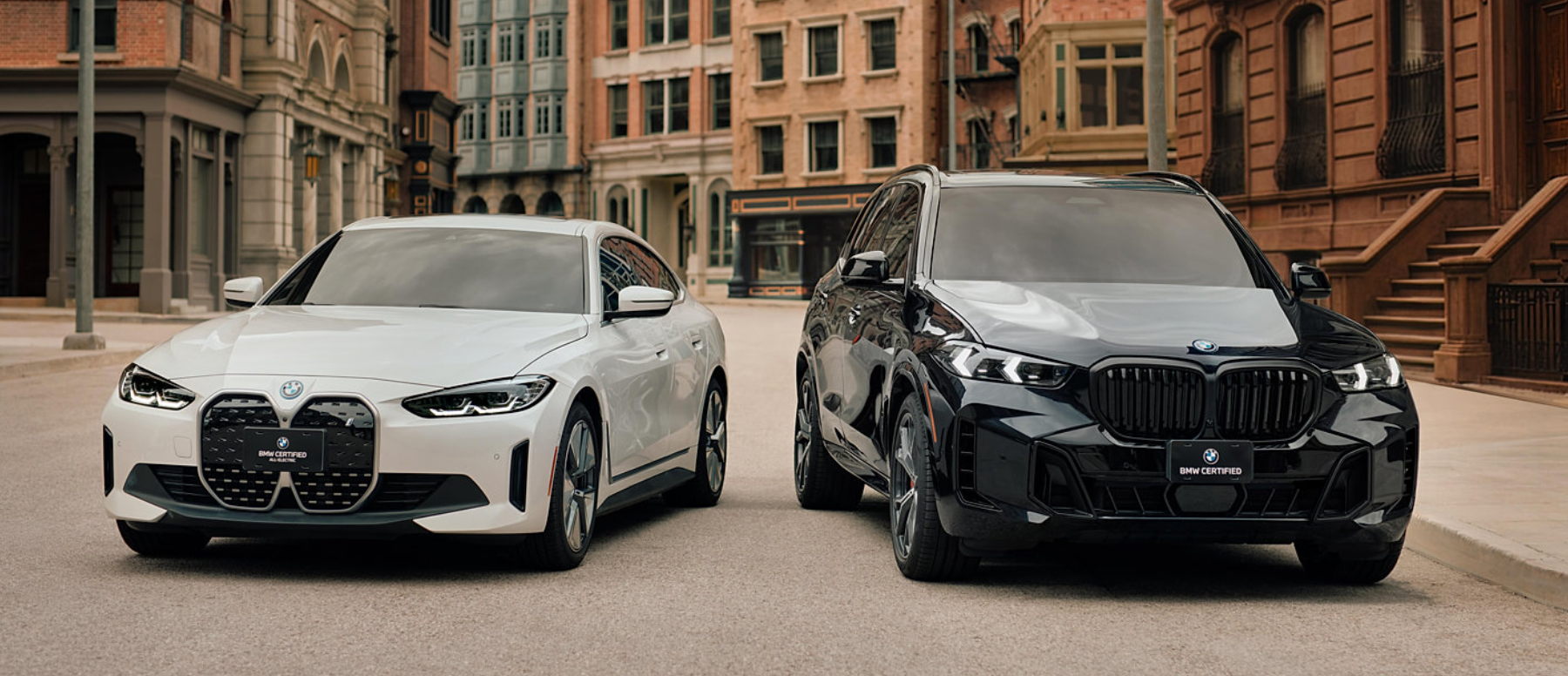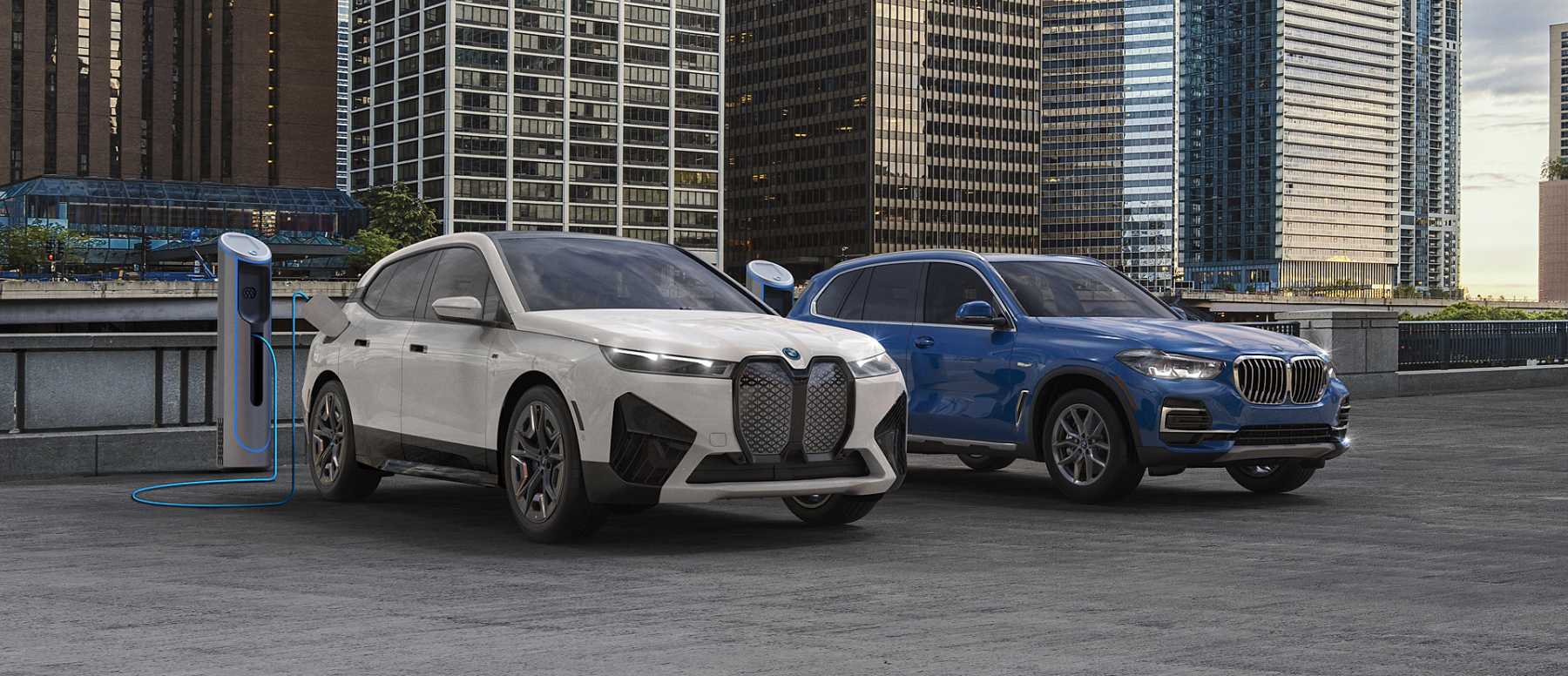


Buying a pre-owned BMW does not always mean choosing between a new vehicle and an ordinary used vehicle. A BMW Certified vehicle provides another option for drivers who want a pre-owned BMW that has completed manufacturer-established eligibility, inspection, and reconditioning requirements. For shoppers in Grand Blanc, Flint, and throughout Genesee County, understanding the certification process can make it easier to compare vehicles and determine whether the added program benefits align with their ownership plans. BMW Certified inventory can include sedans, SUVs, plug-in hybrid models, and fully electric vehicles, depending on current availability. What Does BMW Certified Mean? BMW Certified is the manufacturer's certification program for qualifying pre-owned BMW vehicles. A vehicle cannot receive the designation based only on its appearance or model year. It must meet BMW eligibility requirements and complete an inspection and approval process. BMW currently states that qualifying vehicles must have more than 300 miles but fewer than 60,000 miles on the odometer. The certification process also includes a review of the vehicle's CARFAX or AutoCheck report, maintenance history, condition, and parts. The vehicle must then complete an inspection, reconditioning where required, a road test, and final approval by BMW-trained technicians. BMW Certified Does Not Simply Mean Used Every BMW Certified vehicle is pre-owned, but not every pre-owned BMW qualifies for BMW Certified status. Certification requires additional eligibility, inspection, and program standards. BMW Certified vs. Traditional Pre-Owned BMW Comparison BMW Certified Vehicle Traditional Pre-Owned Vehicle Eligibility Must meet BMW program requirements Eligibility varies by dealership and vehicle Mileage More than 300 and fewer than 60,000 miles under current BMW program standards No universal manufacturer certification limit Inspection BMW-established inspection and road-test process Inspection process varies Vehicle-History Review CARFAX or AutoCheck report reviewed during certification Vehicle-history information may be available, but requirements vary Limited Warranty BMW Certified limited-warranty coverage included Coverage depends on the vehicle and seller Roadside Assistance Additional BMW Roadside Assistance included under current program terms Availability varies A traditional pre-owned BMW can still be a strong choice. The distinction is that a BMW Certified vehicle comes with a defined manufacturer program and documented certification process. Which Vehicles Can Qualify for BMW Certified Status? BMW Certified inventory may include sedans, coupes, convertibles, SUVs, plug-in hybrid vehicles, and fully electric BMW models. Availability changes as vehicles are acquired, inspected, sold, or added to the dealership's inventory. Meeting the mileage requirement does not automatically make a vehicle eligible. Its maintenance history, condition, vehicle-history report, equipment, diagnostic results, and inspection findings are also considered. BMW Certified inventory may include popular models such as BMW X3, depending on vehicle eligibility and current availability. Questions to Ask About a Specific Vehicle What is the vehicle's original in-service date? How many miles are currently on the odometer? Can I review the CARFAX or AutoCheck report? Can I review the maintenance and service history? What work was completed during reconditioning? When does the remaining original coverage expire? When does the BMW Certified limited warranty begin and end? The answers will vary from one vehicle to another, even when two vehicles are the same model year and trim. What Does the BMW Certified Inspection Include? BMW describes its certification process as a comprehensive 360-degree inspection completed and approved by BMW-trained technicians. The process includes visual, mechanical, electrical, diagnostic, and operational checks, followed by a road test. The inspection may address areas such as: Vehicle identification and history Engine and drivetrain operation Brakes, steering, and suspension Tires, wheels, and alignment condition Exterior panels, glass, lights, and trim Seats, displays, controls, and interior equipment Climate-control operation Diagnostic systems and warning indicators Charging equipment and high-voltage systems when applicable Road-test performance BMW-trained technicians inspect and evaluate qualifying vehicles before BMW Certified status is approved. Does Certification Mean the Vehicle Will Look New? BMW Certified vehicles are pre-owned. Normal signs of previous use may still be present, depending on the vehicle's age, mileage, and history. Buyers should inspect the paint, wheels, glass, upholstery, trim, cargo area, and frequently touched interior surfaces. Any concerns should be discussed before purchase so expectations are clear. How Does the BMW Certified Limited Warranty Work? Every BMW Certified vehicle includes BMW Certified Pre-Owned Limited Warranty coverage. Under current program terms, that coverage lasts for one year with unlimited miles after the original four-year or 50,000-mile new-vehicle coverage expires. The exact coverage timeline depends on the vehicle's original in-service date. A lower-mileage vehicle may still have a portion of its original coverage remaining, while an older qualifying vehicle may be closer to the start of its BMW Certified coverage. Review the Dates, Not Just the Model Year Ask for the original in-service date and the specific limited-warranty expiration date. Two vehicles from the same model year can have different remaining coverage periods. Limited-warranty coverage is not the same as complete coverage for every repair or maintenance item. Certain parts, services, wear items, cosmetic conditions, and circumstances may be excluded. Review the current BMW Certified warranty documents before purchasing. What Other BMW Certified Benefits Are Included? BMW currently lists additional benefits that may include: Three additional years of BMW Roadside Assistance A complimentary oil change for eligible gasoline-powered vehicles Reconditioning performed according to BMW program standards Optional extended protection plans when available Access to BMW service and support resources Program benefits and eligibility can change. Confirm the benefits attached to the specific vehicle before completing the purchase. What Should Michigan Buyers Inspect? Michigan weather and road conditions make several vehicle components especially important. Certification provides a structured inspection process, but buyers should still evaluate how the vehicle fits their driving needs. Tires and Wheels Review tire tread depth, tire age, brand, model, and whether all four tires are appropriately matched. Ask whether the vehicle is equipped with all-season, summer, or winter tires. BMW xDrive can support traction, but proper tires remain important during snow, ice, rain, and cold temperatures. Brakes and Suspension Listen for unusual noises and pay attention to steering feel, vibration, and braking during the test drive. Michigan potholes and uneven roads can make wheel, tire, alignment, and suspension condition particularly relevant. Heating and Visibility Equipment Test the heater, windshield defroster, rear defroster, heated features, wipers, washers, exterior lights, and cameras. These systems become especially important during winter driving. Exterior and Underbody Condition Look at the lower body panels, wheel wells, door edges, and visible underbody areas. Ask how the vehicle was used, where it was previously registered, and what reconditioning was completed. What About BMW Certified Electric and Plug-In Hybrid Vehicles? BMW Certified inventory can include fully electric and plug-in hybrid models. These vehicles complete certification requirements while also requiring evaluation of their charging and high-voltage systems. When considering an electrified BMW, ask about: High-voltage battery warranty status Battery State of Health information when available Original in-service date Remaining battery coverage Charging cable and equipment included with the vehicle AC and DC charging compatibility Software-update status Estimated range for the exact model and configuration Battery coverage can differ from the general BMW Certified limited warranty. Review the documents for the specific vehicle rather than assuming every electrified BMW has identical coverage. Should You Get an Independent Inspection? A BMW Certified vehicle has already completed the manufacturer's certification process. Some buyers may still prefer an additional inspection or may want a BMW-trained technician to explain the inspection findings, tire measurements, brake condition, and maintenance needs. The important point is to understand what has been checked, what has been reconditioned, and which maintenance items may be expected during your ownership period. How Should You Test-Drive a BMW Certified Vehicle? A test drive should involve more than a short trip around the parking lot. Use the time to evaluate: Seat comfort and driving position Visibility and mirror adjustment Acceleration and transmission operation Steering response and straight-line tracking Brake feel Cabin noise Parking cameras and driver-assistance systems Navigation, phone pairing, and media controls Rear-seat and cargo access Charging operation when considering an electrified model Drive on a combination of local roads and highway routes when possible. This can provide a better sense of how the vehicle behaves during the type of driving you do most often. Review the Full Cost of Ownership The vehicle price is only one part of the decision. Before buying, consider: Financing terms Insurance Registration and applicable taxes Scheduled maintenance Tires and seasonal tire needs Fuel or charging costs Expected annual mileage Remaining warranty coverage Optional protection plans BMW of Grand Blanc provides online tools for shoppers who want to review BMW financing options or complete a finance application. BMW Certified Buying Checklist Confirm the vehicle is listed as BMW Certified Review the vehicle-history report Review available maintenance records Ask what was repaired or replaced during reconditioning Confirm the original in-service date Request the exact warranty start and expiration dates Inspect the tires, wheels, brakes, interior, and exterior Test every major technology and convenience feature Take a complete test drive Review financing and total ownership costs Confirm which keys, manuals, cables, and accessories are included Explore BMW Certified Vehicles in Grand Blanc BMW Certified vehicles provide Michigan shoppers with another way to experience BMW performance, technology, and craftsmanship. The certification process adds manufacturer-established eligibility requirements, inspection standards, limited-warranty coverage, and ownership benefits. Inventory changes regularly, so available models, colors, equipment, mileage, and powertrains will vary. Review the details of each vehicle rather than assuming that all BMW Certified models provide the same remaining coverage or equipment. Visit BMW of Grand Blanc at 9099 Holly Road to explore current BMW Certified inventory and review program details. Find a BMW Certified Vehicle That Fits Your Needs Browse current inventory, compare vehicle-history information, review warranty dates, and schedule a test drive at BMW of Grand Blanc. Browse BMW Certified Inventory Explore All Pre-Owned Inventory Contact BMW of Grand Blanc Frequently Asked Questions What qualifies a vehicle as BMW Certified? A qualifying vehicle must meet BMW mileage, history, condition, inspection, road-test, and approval requirements. BMW currently requires more than 300 but fewer than 60,000 miles, along with a vehicle-history review and inspection by BMW-trained technicians. Is every used BMW eligible for BMW Certified status? No. A used BMW must meet BMW program requirements and complete the certification process. Mileage alone does not guarantee eligibility. How long is the BMW Certified warranty? The current BMW Certified Pre-Owned Limited Warranty provides one year of unlimited-mile coverage after the original four-year or 50,000-mile new-vehicle coverage expires. Coverage limitations and exclusions apply. Does a BMW Certified vehicle include roadside assistance? BMW currently includes three additional years of BMW Roadside Assistance with BMW Certified vehicles. Confirm the exact coverage period for the vehicle being considered. Can fully electric BMW vehicles be BMW Certified? Yes. Qualifying fully electric BMW models can receive BMW Certified status. Buyers should review the high-voltage battery condition, remaining battery warranty, charging equipment, and coverage documents for the specific vehicle. What should I bring to a BMW Certified test drive? Consider bringing your driver's license, child seats, commonly carried equipment, charging questions, and a written list of features you want to test. This makes it easier to evaluate passenger comfort, cargo space, technology, and everyday usability. Official BMW Sources BMW Certified Program Information BMW Certified Limited Warranty Information BMW Certified eligibility, inspection requirements, warranty terms, roadside assistance, battery coverage, and other program benefits are subject to applicable terms, exclusions, and changes. Vehicle availability and condition vary. Review the documents for the specific vehicle and confirm current program information with BMW of Grand Blanc before purchase.