
BMW of Grand Blanc

Blog / BMW Buying Guide

Gasoline, Plug-In Hybrid, or Fully Electric BMW: What Is the Difference?

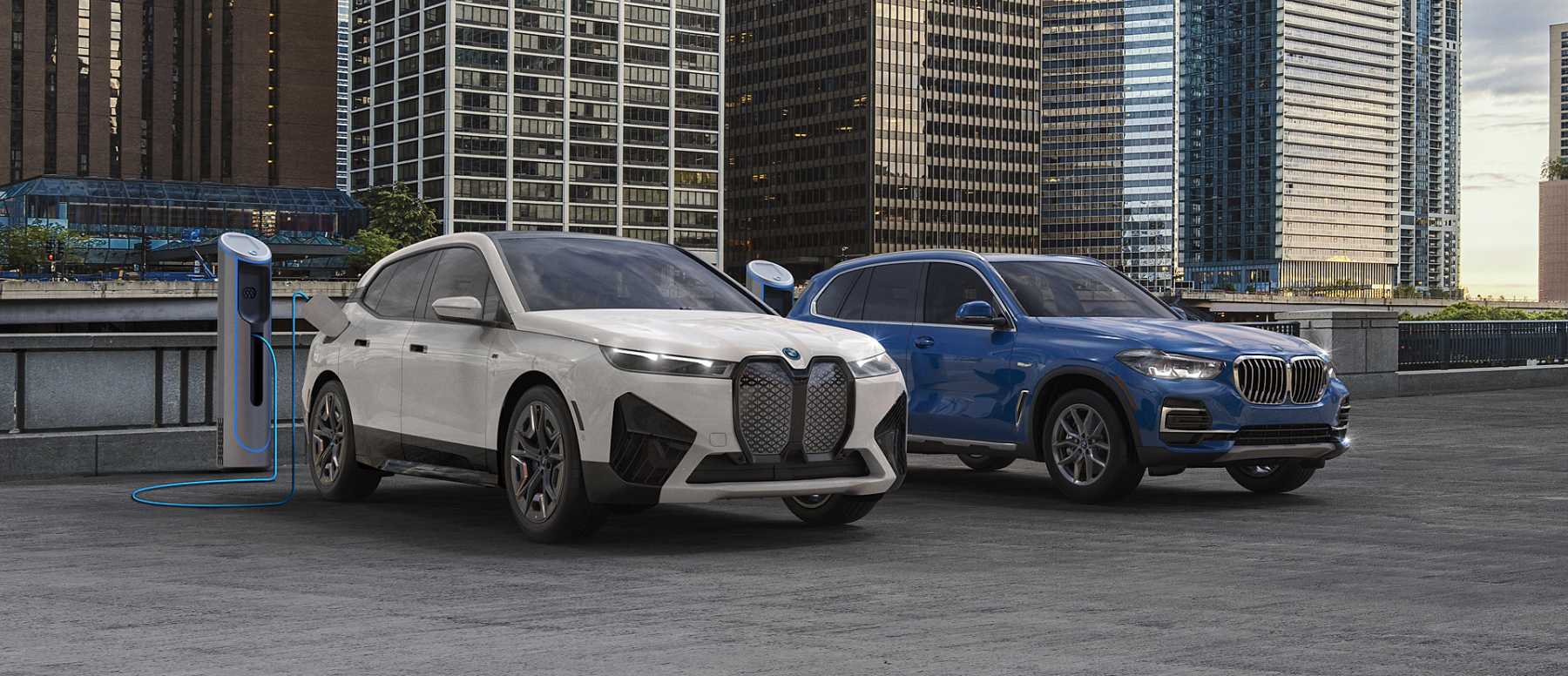
BMW iX and BMW X5 plug-in hybrid representing BMW electrified powertrain choices

A gasoline BMW is refueled with gasoline and does not need to be plugged in. A BMW plug-in hybrid combines a gasoline engine with an electric motor and a rechargeable battery. A fully electric BMW operates without a gasoline engine and relies on home or public charging.

The right choice depends on your daily mileage, access to charging, longer-trip habits, and the BMW models currently available. Drivers near Grand Blanc, Flint, and throughout Genesee County can use this guide to understand how the three powertrain types differ before exploring the current new BMW inventory.

BMW plug-in hybrid and fully electric models offer different approaches to daily driving, charging, and longer trips.

Gasoline, Plug-In Hybrid, and Fully Electric BMW Powertrains

The largest differences involve how the vehicle receives energy, whether it needs to be charged, and what happens during a longer trip.

PowertrainPrimary Energy SourceDoes It Need Charging?BMW Example
GasolineGasolineNoBMW X5 xDrive40i
Plug-In HybridGasoline and stored electricityCharging is recommendedBMW X5 xDrive50e
Fully ElectricStored electricityYesBMW iX

How Does a Gasoline BMW Work?

A gasoline BMW uses an internal-combustion engine and is refueled at a gasoline station. It does not require a home charger or a public charging stop.

Some current gasoline BMW models may also use mild-hybrid technology to support vehicle operation. A mild-hybrid system is different from a plug-in hybrid. It is not plugged into an external charger and is not designed to provide the same type of extended electric-only driving as a plug-in hybrid.
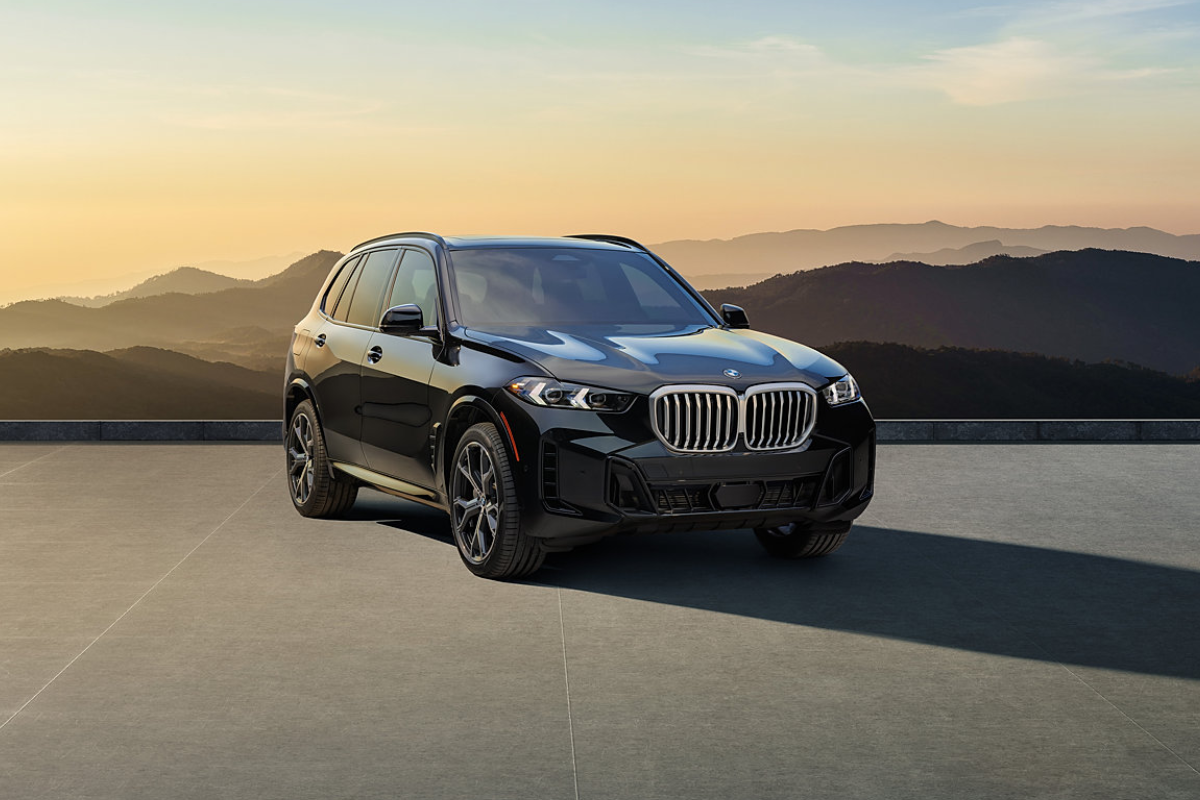
2026 BMW X5 xDrive40i gasoline Sports Activity Vehicle

BMW X5 xDrive40i offers a gasoline-based powertrain and familiar refueling for daily travel and longer drives.

Who May Prefer a Gasoline BMW?

A gasoline BMW may be a practical fit for drivers who:

  • Do not have convenient access to home charging
  • Regularly drive long distances
  • Prefer familiar gasoline refueling
  • Frequently travel in areas with limited charging access
  • Do not want to plan daily driving around battery charging

Gasoline models can also make sense for Michigan drivers who regularly travel beyond Genesee County or take extended trips where charging availability may vary.

Drivers considering a gasoline Sports Activity Vehicle can learn more on the BMW X5 research page.

How Does a BMW Plug-In Hybrid Work?

A BMW plug-in hybrid, commonly called a PHEV, combines a gasoline engine with an electric motor and a rechargeable high-voltage battery. The vehicle can use electric power during shorter trips and gasoline power when additional driving range is needed.

The battery can be charged at home or at a compatible public charging station. Charging is recommended because it allows the driver to make greater use of the electric portion of the powertrain.
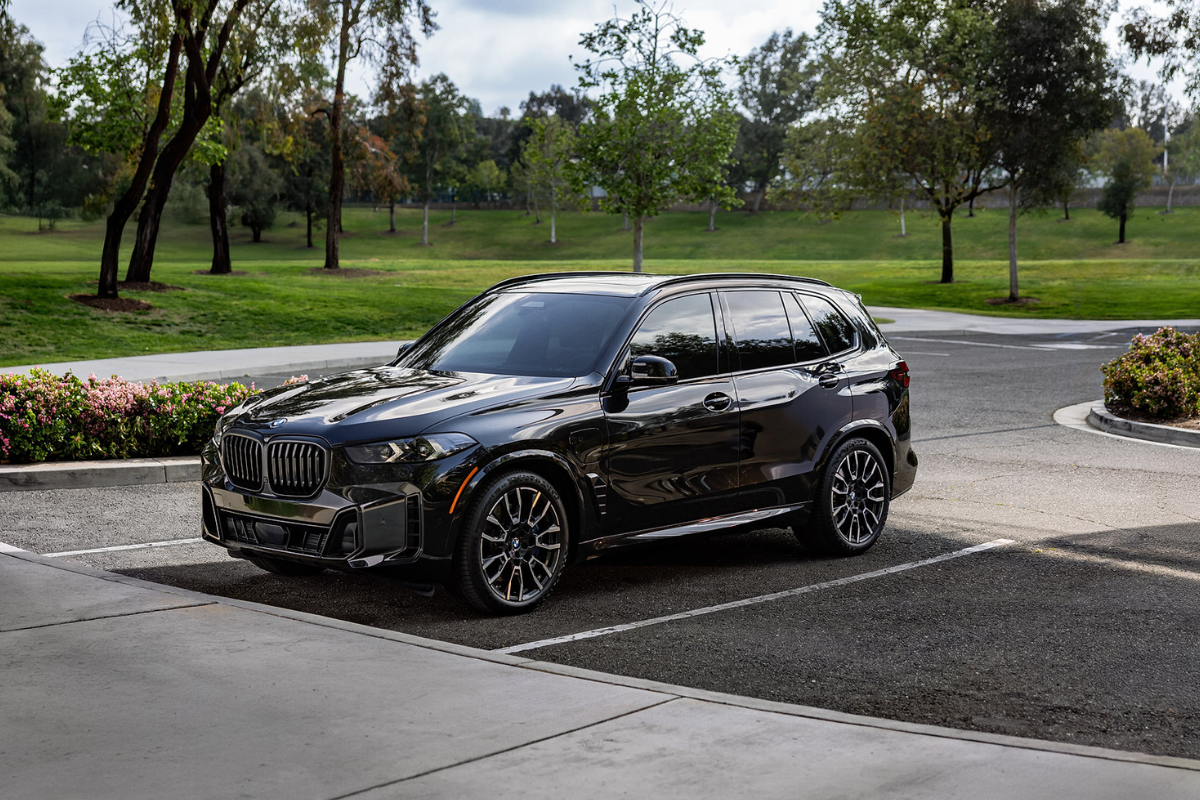
BMW X5 xDrive50e plug-in hybrid Sports Activity Vehicle

BMW X5 xDrive50e combines a gasoline engine with a rechargeable electric motor and battery.

What Happens When the Battery Charge Is Used?

A plug-in hybrid does not become unusable when its available electric charge has been used. The gasoline engine can continue supporting the trip. The vehicle also recovers some energy while coasting or braking.

BMW X5 xDrive50e is one example of this approach. BMW states that the model can provide an electric range of up to 38 miles under ideal conditions. Actual electric range can vary based on temperature, traffic, wheel and tire selection, driving style, accessory use, and other conditions.

Who May Prefer a BMW Plug-In Hybrid?

A BMW plug-in hybrid may be worth considering for drivers who:

  • Can charge at home regularly
  • Have a shorter daily commute
  • Want gasoline capability for longer trips
  • Want to complete some local drives using electric power
  • Are interested in an electrified powertrain but are not ready to rely entirely on public charging

For a driver commuting between Grand Blanc and Flint, the ability to charge at home may allow the electric motor to handle more of the routine drive. Longer Michigan trips can continue with support from the gasoline engine.

A Plug-In Hybrid Works Best When It Is Plugged In

A BMW plug-in hybrid can continue operating with its gasoline engine, but regular charging helps the owner use more of the electric driving capability built into the vehicle.

Explore BMW Model Research

How Does a Fully Electric BMW Work?

A fully electric BMW uses electric motors powered by energy stored in a high-voltage battery. It does not have a gasoline engine and does not visit a gasoline station for fuel.

Charging can take place at home, at work, or through a compatible public charging network. Many owners complete most charging at home and use public charging for longer drives or when additional energy is needed away from home.
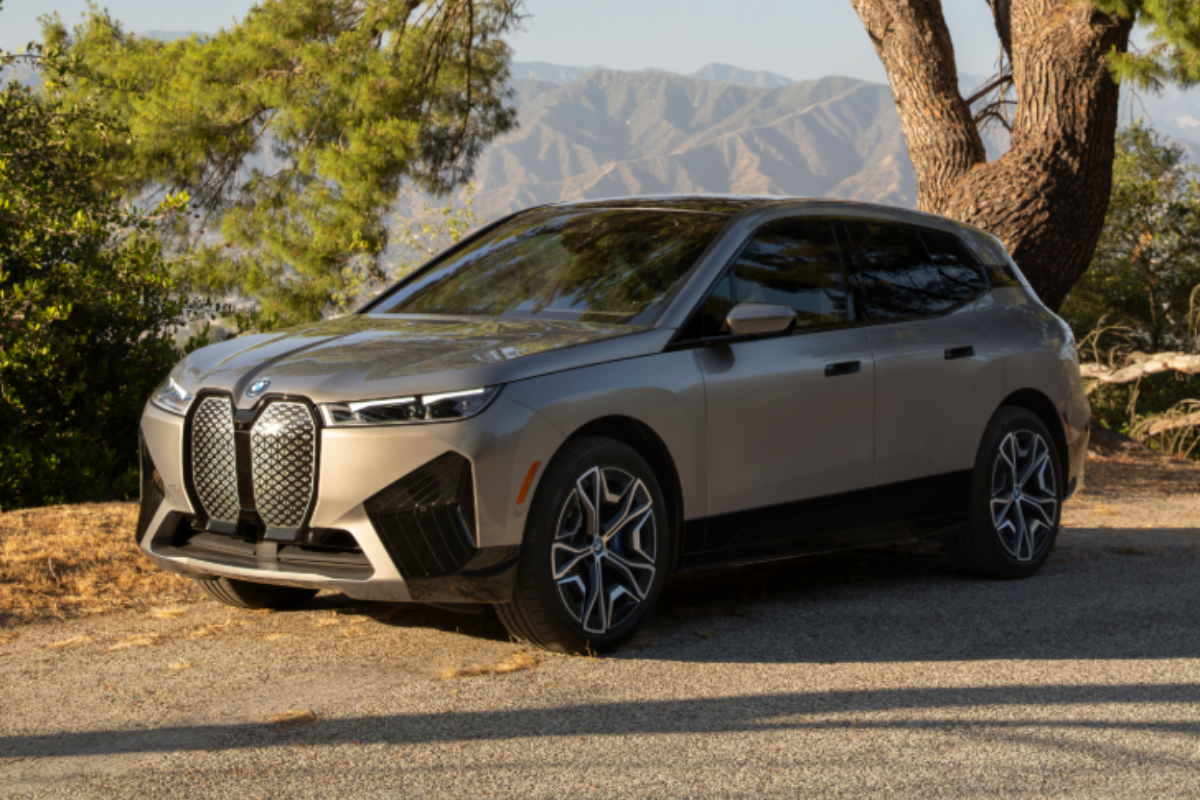
Fully electric BMW iX Sports Activity Vehicle

BMW iX operates without a gasoline engine and relies on home or public charging.

Do You Need a Home Charger for a Fully Electric BMW?

A home charger is not an absolute requirement, but reliable home charging can make fully electric ownership more convenient. BMW electric vehicles can use compatible household or higher-output charging equipment, depending on the installation and vehicle.

Drivers without home charging should evaluate nearby public charging locations, workplace charging, daily mileage, and how often they take longer trips before selecting a fully electric model.

Who May Prefer a Fully Electric BMW?

A fully electric BMW may fit drivers who:

  • Have dependable charging at home or work
  • Know approximately how many miles they drive each day
  • Are comfortable planning charging during longer trips
  • Want a vehicle that operates without a gasoline engine
  • Prefer the power delivery and driving characteristics of an electric motor

Drivers can review the dealership's current BMW Electric inventory. Availability can change, so shoppers should confirm which models are in stock, in transit, or available to order.

How Does Michigan Weather Affect Electrified Driving?

Outside temperature can affect battery range, charging time, and energy use in both plug-in hybrid and fully electric vehicles. Cold weather may increase the energy needed to warm the cabin and battery, while very warm weather may increase climate-control use.

Actual range can also be influenced by:

  • Driving speed and acceleration
  • Traffic and trip length
  • Wheel and tire selection
  • Passenger and cargo load
  • Cabin heating and air conditioning
  • Charging frequency

Preconditioning can help prepare the cabin while the vehicle is still connected to a charger. Drivers should still expect range to change throughout Michigan's different seasons.

Which BMW Powertrain Is Better for Long Trips?

There is no single answer for every driver.

A gasoline BMW provides familiar refueling and may require the least amount of travel planning. A BMW plug-in hybrid provides electric capability for shorter drives while retaining a gasoline engine for longer distances. A fully electric BMW can handle longer trips, but the route may require planned charging stops.

The best option depends on where you travel, how long you normally stop, and whether charging is available along the route.

Which BMW Powertrain Fits Your Daily Routine?

Choose Gasoline If

You prefer familiar refueling, regularly take longer trips, or do not have convenient access to charging.

Consider Plug-In Hybrid If

You can charge regularly, have a shorter daily drive, and still want gasoline capability for longer travel.

Consider Fully Electric If

You have dependable charging access and your typical driving routine fits comfortably within your charging plan.

It is also important to consider the vehicle itself. Passenger space, cargo needs, driving position, available technology, and current inventory may matter just as much as the powertrain.

Compare BMW Models in Grand Blanc

BMW of Grand Blanc can help drivers compare gasoline, plug-in hybrid, and fully electric BMW options based on their actual driving routine. Inventory changes regularly, and not every powertrain or model will be available at the same time.

Drivers near Grand Blanc, Flint, Fenton, Davison, Burton, and surrounding Genesee County communities can begin by reviewing current inventory and BMW model information online.

Find the BMW That Fits How You Drive

Compare current BMW models, powertrains, passenger space, technology, and available configurations before selecting your next vehicle.

Explore New BMW Inventory

Explore BMW Model Research

Review BMW Financing Options

Frequently Asked Questions

What is the difference between a gasoline, plug-in hybrid, and fully electric BMW?

A gasoline BMW uses a gasoline engine and does not require charging. A BMW plug-in hybrid combines a gasoline engine with an electric motor and rechargeable battery. A fully electric BMW uses electric motors and a battery without a gasoline engine.

Does a BMW plug-in hybrid need to be charged?

Charging is strongly recommended because it allows the vehicle to use more of its electric driving capability. If available battery charge is used, the gasoline engine can continue supporting the trip.

Can a BMW plug-in hybrid be driven without charging it?

A BMW plug-in hybrid can still operate using its gasoline engine. However, repeatedly driving without charging limits the benefit of having a rechargeable electric powertrain.

Is a home charger required for a fully electric BMW?

A home charger is not required in every situation, but dependable home or workplace charging generally makes fully electric ownership more convenient. Drivers relying on public charging should evaluate nearby stations and their daily mileage.

Does cold weather reduce electric BMW range?

Cold temperatures can affect battery range and energy use. Cabin heating, driving style, tire selection, traffic, and other conditions can also influence the distance available from a charge.

Which BMW powertrain is best for long-distance driving?

A gasoline BMW generally requires the least charging-related planning. A plug-in hybrid provides gasoline capability after its electric range is used. A fully electric BMW can support long trips when charging stops are planned along the route.

Official BMW Sources

Model specifications, estimated electric range, charging performance, and vehicle availability may change. Actual range and charging results vary based on vehicle configuration, driving conditions, outside temperature, charging equipment, and other factors. Contact BMW of Grand Blanc to confirm current inventory and model information.
Posted in:

Related Posts

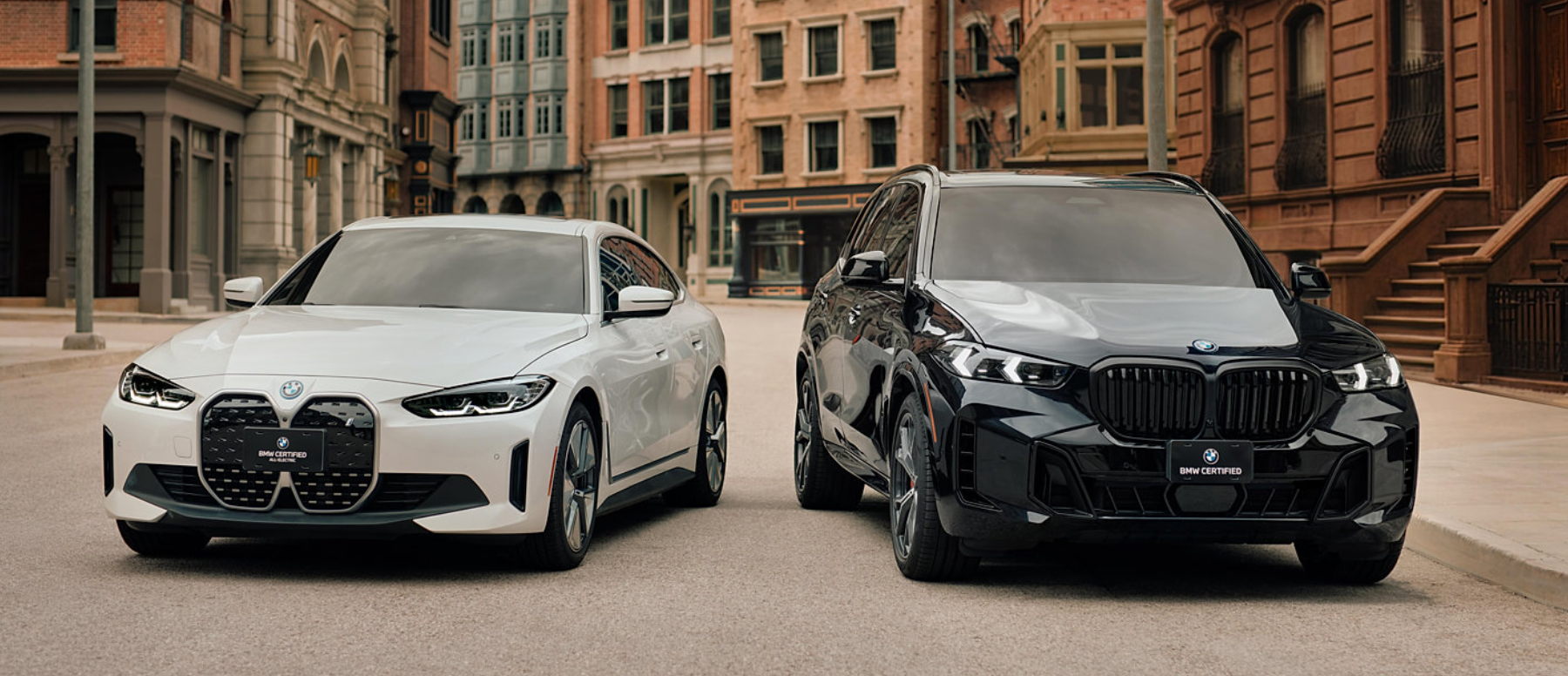
BMW i4 and BMW X5 representing BMW Certified vehicle options

What to Know Before Buying a BMW Certified Vehicle in Michigan

Buying a pre-owned BMW does not always mean choosing between a new vehicle and an ordinary used vehicle. A BMW Certified vehicle provides another option for drivers who want a pre-owned BMW that has completed manufacturer-established eligibility, inspection, and reconditioning requirements. For shoppers in Grand Blanc, Flint, and throughout Genesee County, understanding the certification process can make it easier to compare vehicles and determine whether the added program benefits align with their ownership plans. BMW Certified inventory can include sedans, SUVs, plug-in hybrid models, and fully electric vehicles, depending on current availability. What Does BMW Certified Mean? BMW Certified is the manufacturer's certification program for qualifying pre-owned BMW vehicles. A vehicle cannot receive the designation based only on its appearance or model year. It must meet BMW eligibility requirements and complete an inspection and approval process. BMW currently states that qualifying vehicles must have more than 300 miles but fewer than 60,000 miles on the odometer. The certification process also includes a review of the vehicle's CARFAX or AutoCheck report, maintenance history, condition, and parts. The vehicle must then complete an inspection, reconditioning where required, a road test, and final approval by BMW-trained technicians. BMW Certified Does Not Simply Mean Used Every BMW Certified vehicle is pre-owned, but not every pre-owned BMW qualifies for BMW Certified status. Certification requires additional eligibility, inspection, and program standards. BMW Certified vs. Traditional Pre-Owned BMW Comparison BMW Certified Vehicle Traditional Pre-Owned Vehicle Eligibility Must meet BMW program requirements Eligibility varies by dealership and vehicle Mileage More than 300 and fewer than 60,000 miles under current BMW program standards No universal manufacturer certification limit Inspection BMW-established inspection and road-test process Inspection process varies Vehicle-History Review CARFAX or AutoCheck report reviewed during certification Vehicle-history information may be available, but requirements vary Limited Warranty BMW Certified limited-warranty coverage included Coverage depends on the vehicle and seller Roadside Assistance Additional BMW Roadside Assistance included under current program terms Availability varies A traditional pre-owned BMW can still be a strong choice. The distinction is that a BMW Certified vehicle comes with a defined manufacturer program and documented certification process. Which Vehicles Can Qualify for BMW Certified Status? BMW Certified inventory may include sedans, coupes, convertibles, SUVs, plug-in hybrid vehicles, and fully electric BMW models. Availability changes as vehicles are acquired, inspected, sold, or added to the dealership's inventory. Meeting the mileage requirement does not automatically make a vehicle eligible. Its maintenance history, condition, vehicle-history report, equipment, diagnostic results, and inspection findings are also considered. BMW Certified inventory may include popular models such as BMW X3, depending on vehicle eligibility and current availability. Questions to Ask About a Specific Vehicle What is the vehicle's original in-service date? How many miles are currently on the odometer? Can I review the CARFAX or AutoCheck report? Can I review the maintenance and service history? What work was completed during reconditioning? When does the remaining original coverage expire? When does the BMW Certified limited warranty begin and end? The answers will vary from one vehicle to another, even when two vehicles are the same model year and trim. What Does the BMW Certified Inspection Include? BMW describes its certification process as a comprehensive 360-degree inspection completed and approved by BMW-trained technicians. The process includes visual, mechanical, electrical, diagnostic, and operational checks, followed by a road test. The inspection may address areas such as: Vehicle identification and history Engine and drivetrain operation Brakes, steering, and suspension Tires, wheels, and alignment condition Exterior panels, glass, lights, and trim Seats, displays, controls, and interior equipment Climate-control operation Diagnostic systems and warning indicators Charging equipment and high-voltage systems when applicable Road-test performance BMW-trained technicians inspect and evaluate qualifying vehicles before BMW Certified status is approved. Does Certification Mean the Vehicle Will Look New? BMW Certified vehicles are pre-owned. Normal signs of previous use may still be present, depending on the vehicle's age, mileage, and history. Buyers should inspect the paint, wheels, glass, upholstery, trim, cargo area, and frequently touched interior surfaces. Any concerns should be discussed before purchase so expectations are clear. How Does the BMW Certified Limited Warranty Work? Every BMW Certified vehicle includes BMW Certified Pre-Owned Limited Warranty coverage. Under current program terms, that coverage lasts for one year with unlimited miles after the original four-year or 50,000-mile new-vehicle coverage expires. The exact coverage timeline depends on the vehicle's original in-service date. A lower-mileage vehicle may still have a portion of its original coverage remaining, while an older qualifying vehicle may be closer to the start of its BMW Certified coverage. Review the Dates, Not Just the Model Year Ask for the original in-service date and the specific limited-warranty expiration date. Two vehicles from the same model year can have different remaining coverage periods. Limited-warranty coverage is not the same as complete coverage for every repair or maintenance item. Certain parts, services, wear items, cosmetic conditions, and circumstances may be excluded. Review the current BMW Certified warranty documents before purchasing. What Other BMW Certified Benefits Are Included? BMW currently lists additional benefits that may include: Three additional years of BMW Roadside Assistance A complimentary oil change for eligible gasoline-powered vehicles Reconditioning performed according to BMW program standards Optional extended protection plans when available Access to BMW service and support resources Program benefits and eligibility can change. Confirm the benefits attached to the specific vehicle before completing the purchase. What Should Michigan Buyers Inspect? Michigan weather and road conditions make several vehicle components especially important. Certification provides a structured inspection process, but buyers should still evaluate how the vehicle fits their driving needs. Tires and Wheels Review tire tread depth, tire age, brand, model, and whether all four tires are appropriately matched. Ask whether the vehicle is equipped with all-season, summer, or winter tires. BMW xDrive can support traction, but proper tires remain important during snow, ice, rain, and cold temperatures. Brakes and Suspension Listen for unusual noises and pay attention to steering feel, vibration, and braking during the test drive. Michigan potholes and uneven roads can make wheel, tire, alignment, and suspension condition particularly relevant. Heating and Visibility Equipment Test the heater, windshield defroster, rear defroster, heated features, wipers, washers, exterior lights, and cameras. These systems become especially important during winter driving. Exterior and Underbody Condition Look at the lower body panels, wheel wells, door edges, and visible underbody areas. Ask how the vehicle was used, where it was previously registered, and what reconditioning was completed. What About BMW Certified Electric and Plug-In Hybrid Vehicles? BMW Certified inventory can include fully electric and plug-in hybrid models. These vehicles complete certification requirements while also requiring evaluation of their charging and high-voltage systems. When considering an electrified BMW, ask about: High-voltage battery warranty status Battery State of Health information when available Original in-service date Remaining battery coverage Charging cable and equipment included with the vehicle AC and DC charging compatibility Software-update status Estimated range for the exact model and configuration Battery coverage can differ from the general BMW Certified limited warranty. Review the documents for the specific vehicle rather than assuming every electrified BMW has identical coverage. Should You Get an Independent Inspection? A BMW Certified vehicle has already completed the manufacturer's certification process. Some buyers may still prefer an additional inspection or may want a BMW-trained technician to explain the inspection findings, tire measurements, brake condition, and maintenance needs. The important point is to understand what has been checked, what has been reconditioned, and which maintenance items may be expected during your ownership period. How Should You Test-Drive a BMW Certified Vehicle? A test drive should involve more than a short trip around the parking lot. Use the time to evaluate: Seat comfort and driving position Visibility and mirror adjustment Acceleration and transmission operation Steering response and straight-line tracking Brake feel Cabin noise Parking cameras and driver-assistance systems Navigation, phone pairing, and media controls Rear-seat and cargo access Charging operation when considering an electrified model Drive on a combination of local roads and highway routes when possible. This can provide a better sense of how the vehicle behaves during the type of driving you do most often. Review the Full Cost of Ownership The vehicle price is only one part of the decision. Before buying, consider: Financing terms Insurance Registration and applicable taxes Scheduled maintenance Tires and seasonal tire needs Fuel or charging costs Expected annual mileage Remaining warranty coverage Optional protection plans BMW of Grand Blanc provides online tools for shoppers who want to review BMW financing options or complete a finance application. BMW Certified Buying Checklist Confirm the vehicle is listed as BMW Certified Review the vehicle-history report Review available maintenance records Ask what was repaired or replaced during reconditioning Confirm the original in-service date Request the exact warranty start and expiration dates Inspect the tires, wheels, brakes, interior, and exterior Test every major technology and convenience feature Take a complete test drive Review financing and total ownership costs Confirm which keys, manuals, cables, and accessories are included Explore BMW Certified Vehicles in Grand Blanc BMW Certified vehicles provide Michigan shoppers with another way to experience BMW performance, technology, and craftsmanship. The certification process adds manufacturer-established eligibility requirements, inspection standards, limited-warranty coverage, and ownership benefits. Inventory changes regularly, so available models, colors, equipment, mileage, and powertrains will vary. Review the details of each vehicle rather than assuming that all BMW Certified models provide the same remaining coverage or equipment. Visit BMW of Grand Blanc at 9099 Holly Road to explore current BMW Certified inventory and review program details. Find a BMW Certified Vehicle That Fits Your Needs Browse current inventory, compare vehicle-history information, review warranty dates, and schedule a test drive at BMW of Grand Blanc. Browse BMW Certified Inventory Explore All Pre-Owned Inventory Contact BMW of Grand Blanc Frequently Asked Questions What qualifies a vehicle as BMW Certified? A qualifying vehicle must meet BMW mileage, history, condition, inspection, road-test, and approval requirements. BMW currently requires more than 300 but fewer than 60,000 miles, along with a vehicle-history review and inspection by BMW-trained technicians. Is every used BMW eligible for BMW Certified status? No. A used BMW must meet BMW program requirements and complete the certification process. Mileage alone does not guarantee eligibility. How long is the BMW Certified warranty? The current BMW Certified Pre-Owned Limited Warranty provides one year of unlimited-mile coverage after the original four-year or 50,000-mile new-vehicle coverage expires. Coverage limitations and exclusions apply. Does a BMW Certified vehicle include roadside assistance? BMW currently includes three additional years of BMW Roadside Assistance with BMW Certified vehicles. Confirm the exact coverage period for the vehicle being considered. Can fully electric BMW vehicles be BMW Certified? Yes. Qualifying fully electric BMW models can receive BMW Certified status. Buyers should review the high-voltage battery condition, remaining battery warranty, charging equipment, and coverage documents for the specific vehicle. What should I bring to a BMW Certified test drive? Consider bringing your driver's license, child seats, commonly carried equipment, charging questions, and a written list of features you want to test. This makes it easier to evaluate passenger comfort, cargo space, technology, and everyday usability. Official BMW Sources BMW Certified Program Information BMW Certified Limited Warranty Information BMW Certified eligibility, inspection requirements, warranty terms, roadside assistance, battery coverage, and other program benefits are subject to applicable terms, exclusions, and changes. Vehicle availability and condition vary. Review the documents for the specific vehicle and confirm current program information with BMW of Grand Blanc before purchase.

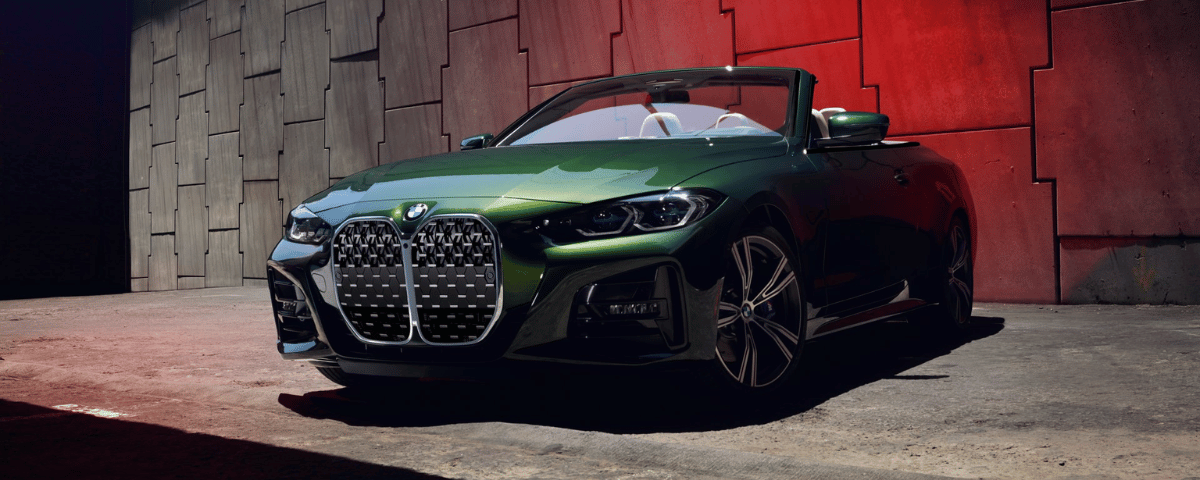
2026 BMW 4 Series Coupe comparison for Michigan drivers

2026 BMW 4 Series Coupe vs. Mercedes-Benz CLE Coupe: Performance, Technology & Key Differences

BMW 4 Series Coupe and Mercedes-Benz CLE Coupe give drivers two distinct approaches to a two-door performance-oriented vehicle. Both offer turbocharged powertrains, available all-wheel-drive capability, modern digital technology, seating for four, and designs centered around the coupe format. For Michigan drivers comparing similar configurations, 2026 BMW 430i xDrive Coupe and 2026 Mercedes-Benz CLE 300 4MATIC Coupe make a particularly useful comparison. Both produce 255 horsepower and 295 lb-ft of torque, yet their transmissions, dimensions, technology, fuel economy, and overall driving environments differ. Compare 2026 BMW 430i xDrive Coupe and Mercedes-Benz CLE 300 4MATIC Coupe performance, technology, dimensions, and everyday usability. 2026 BMW 4 SERIES COUPE VS. MERCEDES-BENZ CLE COUPE AT A GLANCE. Comparison 2026 BMW 430i xDrive Coupe 2026 Mercedes-Benz CLE 300 4MATIC Coupe Engine 2.0-liter BMW TwinPower Turbo four-cylinder with 48V mild-hybrid technology 2.0-liter turbocharged four-cylinder with 48V mild-hybrid technology Horsepower 255 hp 255 hp Torque 295 lb-ft 295 lb-ft Transmission Eight-speed automatic Nine-speed automatic Drive System BMW xDrive all-wheel drive 4MATIC all-wheel drive Passenger Capacity Four Four Length 187.9 inches 191.0 inches Width Without Mirrors 72.9 inches 73.3 inches Wheelbase 112.2 inches 112.8 inches EPA City/Highway 27/34 mpg 23/32 mpg Specifications are based on current manufacturer information. Equipment, configuration, testing procedures, driving conditions, and other factors can affect published vehicle specifications and fuel economy. WHAT IS THE DIFFERENCE BETWEEN BMW 4 SERIES COUPE AND MERCEDES-BENZ CLE COUPE? At first glance, BMW 430i xDrive Coupe and Mercedes-Benz CLE 300 4MATIC Coupe are remarkably close in several areas. Both have four seats, four-cylinder turbocharged powertrains, all-wheel drive, and identical published horsepower and torque figures. However, the vehicles take different approaches once you move beyond engine output. BMW 430i xDrive Coupe is slightly shorter and narrower, uses an eight-speed automatic transmission, and pairs BMW xDrive with the driving characteristics of BMW 4 Series Coupe. In comparison, CLE 300 4MATIC Coupe has a slightly larger exterior footprint and a nine-speed automatic transmission. Mercedes-Benz also centers much of the cabin experience around its third-generation MBUX interface. As a result, this comparison is less about which vehicle has the larger horsepower number and more about drivetrain behavior, vehicle size, technology preferences, interior layout, and the driver's connection with the vehicle. MEET 2026 BMW 430i xDRIVE COUPE. 2026 BMW 430i xDrive Coupe uses a 2.0-liter BMW TwinPower Turbo four-cylinder engine producing 255 horsepower and 295 lb-ft of torque. The powertrain incorporates 48V mild-hybrid technology and pairs with an eight-speed Steptronic Sport automatic transmission. BMW xDrive intelligent all-wheel drive is included in the configuration being compared here. BMW 430i xDrive Coupe measures 187.9 inches long, 72.9 inches wide without mirrors, and 54.8 inches high. Its wheelbase measures 112.2 inches. In addition, the coupe provides seating for four, with two front seats and two individual rear seating positions. Drivers researching additional BMW models can visit the BMW of Grand Blanc model research center. BMW 430i xDRIVE VS. CLE 300 4MATIC PERFORMANCE. From a published engine-output standpoint, these two coupes begin in exactly the same place. BMW 430i xDrive Coupe produces 255 horsepower and 295 lb-ft of torque. Mercedes-Benz CLE 300 4MATIC Coupe also produces 255 horsepower and 295 lb-ft of torque. Both manufacturers incorporate 48V mild-hybrid technology into these powertrains. However, the transmissions and all-wheel-drive systems are manufacturer-specific. BMW uses an eight-speed automatic transmission with BMW xDrive. Mercedes-Benz uses a nine-speed automatic transmission with 4MATIC. Consequently, identical horsepower and torque specifications do not mean the vehicles will feel identical from behind the wheel. Steering response, transmission calibration, seating position, suspension tuning, drivetrain behavior, visibility, and control placement all contribute to the experience. For shoppers comparing these vehicles, an in-person drive provides information that a specification chart cannot. BMW xDRIVE VS. MERCEDES-BENZ 4MATIC. BMW xDrive and Mercedes-Benz 4MATIC are both intelligent all-wheel-drive systems, but each is integrated into its manufacturer's own vehicle architecture. BMW xDrive can continuously vary power distribution between the front and rear wheels as driving conditions change. In situations where additional front-wheel traction is not required, the system can emphasize the rear axle as part of BMW's approach to vehicle dynamics. Meanwhile, Mercedes-Benz describes 4MATIC as an always-engaged all-wheel-drive system that works with its Electronic Stability Program and other vehicle systems to manage traction. For Michigan drivers, both systems provide all-wheel-drive capability for changing conditions. Still, tire condition, road surface, rainfall, temperature, driver inputs, and seasonal tire suitability remain important regardless of drivetrain. BMW 4 SERIES COUPE VS. MERCEDES-BENZ CLE COUPE SIZE. BMW 430i xDrive Coupe has the smaller exterior footprint in this comparison. At 187.9 inches long, BMW is approximately three inches shorter than CLE 300 4MATIC Coupe at 191.0 inches. The difference in width is smaller. BMW measures 72.9 inches wide without mirrors, while Mercedes-Benz measures 73.3 inches. Wheelbase measurements are also close, at 112.2 inches for BMW and 112.8 inches for Mercedes-Benz. For drivers who use residential garages, downtown parking areas, or tighter parking spaces, overall dimensions can be as important as passenger capacity. Therefore, comparing exterior size in addition to cabin comfort can be useful before making a decision. BOTH COUPES SEAT FOUR. BMW 4 Series Coupe and Mercedes-Benz CLE Coupe both provide seating for four passengers. That configuration reflects the purpose of a two-door coupe. Front-seat occupants receive convenient access through the longer front doors, while the rear cabin provides two dedicated seating positions. For shoppers who regularly carry rear-seat passengers, it is worth evaluating access as well as the seating itself. Rear-seat entry, legroom, roofline, door opening size, and the frequency with which the rear seats will be used can all influence everyday usability. On the other hand, drivers who primarily travel alone or with one passenger may place greater emphasis on front-seat ergonomics, visibility, technology, and driving characteristics. BMW 4 SERIES COUPE TECHNOLOGY. BMW 4 Series Coupe uses BMW Operating System 8.5 with QuickSelect as part of its current digital environment. QuickSelect provides direct access to frequently used functions from the BMW Curved Display. Instead of navigating through multiple menus, drivers can reach entertainment, contacts, navigation, climate settings, communication functions, and vehicle settings from the primary interface. BMW Intelligent Personal Assistant adds voice interaction, while the My BMW App can connect drivers with vehicle information and selected remote functions. Available driver-assistance and parking technology can further expand the equipment depending on configuration. For example, BMW offers systems designed to support parking maneuvers, surrounding-area visibility, distance management, and highway driving. MERCEDES-BENZ CLE COUPE TECHNOLOGY. Mercedes-Benz CLE 300 4MATIC Coupe takes a different digital approach with third-generation MBUX. The standard system includes a 12.3-inch digital instrument cluster and an 11.9-inch central touchscreen. It also includes wireless Apple CarPlay and Android Auto compatibility, voice controls, navigation, and user profiles. Mercedes-Benz also includes a panorama roof as standard equipment on CLE 300 4MATIC Coupe. Rather than judging either interface solely by screen dimensions, shoppers should consider how often-used functions are accessed. Menu structure, voice interaction, physical controls, navigation display, smartphone integration, and display positioning can affect everyday usability more than screen size alone. BMW OPERATING SYSTEM 8.5 VS. MBUX. This is one area where personal preference becomes especially important. BMW Operating System 8.5 uses QuickSelect to reduce the number of menu layers required for frequently used functions. The BMW Curved Display places driver information and the central control interface alongside one another. By contrast, Mercedes-Benz MBUX separates its 12.3-inch digital instrument cluster from an 11.9-inch portrait-oriented central touchscreen. Both support voice interaction and smartphone connectivity. However, their visual layouts and control philosophies are different. For that reason, shoppers should spend time using navigation, climate settings, audio, phone functions, and vehicle settings during an in-person comparison instead of relying only on feature lists. BMW 430i xDRIVE FUEL ECONOMY. Published EPA fuel-economy figures also differ between these configurations. BMW lists 430i xDrive Coupe at 27 mpg city and 34 mpg highway. Mercedes-Benz lists CLE 300 4MATIC Coupe at 23 mpg city and 32 mpg highway. Actual fuel economy varies based on traffic, weather, tire selection, driving conditions, vehicle load, maintenance, and individual driving habits. Still, the EPA ratings provide another useful comparison point for drivers who regularly commute or travel longer distances. WHICH COUPE FITS MICHIGAN DRIVING? For Michigan drivers, both configurations provide all-wheel drive, which can be useful as road and weather conditions change throughout the year. BMW 430i xDrive Coupe combines BMW xDrive with a smaller exterior footprint and the current BMW digital environment. Meanwhile, CLE 300 4MATIC Coupe provides its own all-wheel-drive system, a slightly larger body, and the MBUX interface. During warmer months, drivers may encounter heavy rain, road construction, uneven pavement, and changing highway conditions. Later in the year, colder temperatures and winter weather add another set of considerations. Regardless of which vehicle is chosen, tires remain critical. All-wheel drive helps manage power distribution, but the tires provide the physical connection between the vehicle and the road. BMW 430i xDRIVE COUPE MAY BE A BETTER FIT IF YOU: Prefer BMW xDrive intelligent all-wheel drive Want the smaller exterior footprint in this comparison Prefer an eight-speed automatic transmission Prefer BMW Operating System 8.5 and QuickSelect Want BMW Curved Display and BMW Intelligent Personal Assistant Value the published 27/34 mpg city/highway rating Prefer the BMW coupe driving environment MERCEDES-BENZ CLE 300 4MATIC MAY APPEAL IF YOU: Prefer Mercedes-Benz 4MATIC all-wheel drive Want a slightly larger exterior footprint Prefer a nine-speed automatic transmission Prefer the MBUX digital interface Want the standard panorama roof Prefer the separate digital instrument cluster and portrait-oriented central touchscreen layout Because horsepower and torque are identical in these two configurations, the decision becomes especially dependent on the characteristics that cannot be fully communicated through numbers alone. BMW 4 SERIES COUPE FOR GRAND BLANC AND FLINT DRIVERS. BMW 430i xDrive Coupe brings together a two-door body, seating for four, BMW xDrive, 255 horsepower, BMW Operating System 8.5, and a relatively compact exterior footprint. For drivers around Grand Blanc, Flint, and Genesee County, that combination can support daily commuting, highway travel, weekend driving, and year-round Michigan ownership. Drivers who want to compare BMW 4 Series Coupe with other BMW models can also explore the BMW model research resources available through BMW of Grand Blanc. COMPARE BMW 4 SERIES COUPE AT BMW OF GRAND BLANC. Online research can identify meaningful differences between BMW 4 Series Coupe and Mercedes-Benz CLE Coupe. However, seating position, visibility, steering response, control layout, rear-seat access, technology, and overall vehicle feel are easier to evaluate in person. BMW of Grand Blanc can help drivers explore BMW 4 Series Coupe configurations, current BMW inventory, and BMW ownership resources. Explore New BMW Inventory Schedule a Test Drive Contact BMW of Grand Blanc BMW 4 SERIES COUPE VS. MERCEDES-BENZ CLE COUPE FREQUENTLY ASKED QUESTIONS. What is the main difference between BMW 430i xDrive Coupe and Mercedes-Benz CLE 300 4MATIC Coupe? Both coupes produce 255 horsepower and 295 lb-ft of torque and include all-wheel drive in the configurations compared. BMW 430i xDrive Coupe is slightly shorter, uses an eight-speed automatic transmission, and features BMW Operating System 8.5. CLE 300 4MATIC Coupe uses a nine-speed automatic transmission, has a slightly larger exterior footprint, and features third-generation MBUX. Which has more horsepower, BMW 430i xDrive or Mercedes-Benz CLE 300 4MATIC? Neither has an advantage in published horsepower. BMW 430i xDrive Coupe and Mercedes-Benz CLE 300 4MATIC Coupe each produce 255 horsepower. Which has more torque? Both configurations publish 295 lb-ft of torque. Does BMW 430i Coupe offer all-wheel drive? Yes. BMW 430i xDrive Coupe includes BMW xDrive intelligent all-wheel drive. BMW also offers a rear-wheel-drive 430i Coupe configuration. Is BMW 4 Series Coupe smaller than Mercedes-Benz CLE Coupe? Yes. BMW 430i xDrive Coupe measures 187.9 inches long, compared with 191.0 inches for Mercedes-Benz CLE 300 4MATIC Coupe. How many people can BMW 4 Series Coupe seat? BMW 4 Series Coupe provides seating for four people, including the driver, front passenger, and two rear passengers. Which has better published fuel economy? BMW lists 430i xDrive Coupe at 27 mpg city and 34 mpg highway. Mercedes-Benz lists CLE 300 4MATIC Coupe at 23 mpg city and 32 mpg highway. Actual fuel economy varies with driving and vehicle conditions. What technology does BMW 4 Series Coupe use? BMW 4 Series Coupe uses BMW Operating System 8.5 with QuickSelect, BMW Curved Display, BMW Intelligent Personal Assistant, and connected functionality through the My BMW App. Available packages can add additional driver-assistance and parking technology. Which is better for Michigan, BMW 430i xDrive or CLE 300 4MATIC? Both include all-wheel drive and can support year-round Michigan driving. The better fit depends on preferences for drivetrain behavior, dimensions, technology, interior layout, and overall driving characteristics. Appropriate tires and road-condition awareness remain important with either vehicle. Should I test-drive BMW 4 Series Coupe before choosing between the two? Yes. A test drive can help evaluate BMW 4 Series Coupe steering response, seating position, visibility, technology, control layout, rear-seat access, and overall driving characteristics in ways specifications alone cannot show. OFFICIAL MANUFACTURER SOURCES. BMW USA - BMW 4 Series Coupe Technical Specifications BMW USA - BMW 4 Series Coupe Mercedes-Benz USA - CLE 300 4MATIC Coupe Vehicle specifications, features, dimensions, drivetrain information, and fuel economy are based on manufacturer information available when this article was prepared and may change. Equipment varies by vehicle configuration. EPA estimates are for comparison purposes and actual fuel economy will vary based on driving conditions, weather, vehicle condition, equipment, and individual driving habits.

2027 BMW iX3 profile for Tesla Model Y comparison

2027 BMW iX3 vs. Tesla Model Y: Range, Charging, Technology & Key Differences

2027 BMW iX3 and Tesla Model Y are two fully electric SUVs designed around everyday usability, public charging, connected technology, and all-wheel-drive capability. For Michigan drivers comparing them, some of the most important differences involve estimated driving range, charging architecture, interior technology, ownership support, and how each manufacturer approaches the driving experience. For a direct comparison, this guide looks at 2027 BMW iX3 50 xDrive alongside the current Tesla Model Y Premium All-Wheel Drive. Both provide dual-motor all-wheel drive and seating for five, but BMW iX3 introduces BMW's latest Neue Klasse technology, an 800-volt electrical architecture, up to 400 kW DC charging, native NACS compatibility, BMW Panoramic iDrive, and an estimated range that can exceed 400 miles depending on configuration. Compare 2027 BMW iX3 and Tesla Model Y range, charging, technology, AWD capability, and everyday Michigan ownership. 2027 BMW iX3 VS. TESLA MODEL Y AT A GLANCE. Comparison 2027 BMW iX3 50 xDrive Tesla Model Y Premium AWD Drive System Dual-motor BMW xDrive all-wheel drive Dual-motor all-wheel drive Horsepower 463 hp Tesla does not publish a directly comparable horsepower figure on its Model Y consumer specification page Estimated Range 383-434 miles depending on configuration 327 miles EPA estimated Maximum DC Charging Up to 400 kW Up to 250 kW Published Charging Metric 10-80% in approximately 21 minutes at maximum charge rate Up to 169 miles added in 15 minutes under Tesla's stated conditions Charging Port Native NACS with included CCS adapter Native NACS Length 188.3 inches 188.6 inches Seating Five passengers Five passengers, with seven-seat availability on select configurations Specifications are based on current manufacturer information available when this article was prepared. BMW iX3 range figures are preliminary estimates and may vary by wheel and tire configuration. Tesla specifications vary by Model Y configuration. Charging performance depends on charger output, battery temperature, state of charge, weather, configuration, and other conditions. WHAT IS THE DIFFERENCE BETWEEN BMW iX3 AND TESLA MODEL Y? BMW iX3 and Tesla Model Y are similar in exterior length and both offer dual-motor all-wheel-drive configurations, but their underlying technology and ownership environments differ significantly. BMW iX3 50 xDrive introduces BMW's sixth-generation eDrive technology and an 800-volt electrical architecture. BMW currently estimates 383 to 434 miles of range depending on configuration and publishes a maximum DC charging rate of 400 kW. Tesla Model Y Premium All-Wheel Drive uses Tesla's established dual-motor platform and Supercharger ecosystem. Tesla currently publishes an EPA-estimated range of 327 miles for this configuration and a maximum Supercharging rate of 250 kW. The two vehicles are also remarkably close in exterior length. BMW iX3 measures 188.3 inches, while Tesla Model Y Premium measures 188.6 inches. MEET 2027 BMW iX3 50 xDRIVE. 2027 BMW iX3 50 xDrive is the first U.S. BMW model built around BMW's Neue Klasse vehicle architecture. The standard dual-motor xDrive system produces a maximum 463 horsepower and 476 lb-ft of torque. BMW combines that drivetrain with sixth-generation eDrive technology, an 800-volt electrical system, and new electronic control systems designed specifically for this generation of BMW electric vehicles. BMW iX3 also introduces BMW Panoramic iDrive with BMW Operating System X, a new display and control environment built around BMW Panoramic Vision, the Free-Cut Central Display, BMW Intelligent Personal Assistant, and an available 3D Head-Up Display. For a deeper look at the model, visit our 2027 BMW iX3 ownership guide. BMW iX3 VS. TESLA MODEL Y RANGE. Range is one of the clearest differences in the current manufacturer specifications. BMW currently lists an estimated range of 383 to 434 miles for BMW iX3 50 xDrive depending on wheel and tire configuration. BMW notes that these figures are preliminary and that EPA-certified range may differ when final certification is complete. Tesla currently lists Model Y Premium All-Wheel Drive at 327 miles of EPA-estimated range. That makes BMW iX3 particularly noteworthy for drivers whose daily travel or longer Michigan trips make range a major consideration. Actual electric driving range varies in both vehicles. Outside temperature, highway driving, wheel and tire selection, cabin heating and cooling, elevation changes, traffic, charging habits, and individual driving style can all affect how far an electric vehicle travels between charging sessions. BMW iX3 VS. TESLA MODEL Y CHARGING. Both vehicles can use NACS charging equipment, including compatible Tesla Supercharger locations, but their maximum published charging capabilities differ. BMW iX3 uses an 800-volt electrical architecture and supports DC charging at up to 400 kW. BMW states that iX3 50 xDrive can charge from 10 to 80 percent in approximately 21 minutes when connected to a charger capable of delivering the vehicle's maximum charging rate. Tesla Model Y Premium All-Wheel Drive supports Supercharging at up to 250 kW. Tesla currently states that up to 169 miles of range can be added in 15 minutes under its specified charging conditions. These charging figures are measured differently, so they should not be treated as identical tests. The more meaningful takeaway is that both vehicles support high-power public charging, while BMW iX3 introduces a substantially higher published peak DC charging rate. CAN BMW iX3 USE TESLA SUPERCHARGERS? Yes. 2027 BMW iX3 has a native NACS charge port. That means compatible Tesla Superchargers are available to BMW iX3 drivers without requiring a NACS adapter. BMW includes Tesla Superchargers as part of the BMW ChargingNetwork. BMW also includes a CCS adapter with iX3, which expands compatibility with CCS DC charging locations. The BMW ChargingNetwork integrates participating charging providers into the My BMW App and BMW navigation system. Current providers include Tesla Superchargers, Electrify America, IONNA, Shell Recharge, EVgo, ChargePoint, and others. BMW CHARGING NETWORK VS. TESLA SUPERCHARGING. Tesla built much of its electric-vehicle ownership experience around its Supercharger network. That remains an important strength of Model Y ownership. BMW's approach with iX3 is broader. Rather than limiting the ownership experience to a single charging operator, BMW integrates multiple public charging providers through the BMW ChargingNetwork. Because BMW iX3 uses a native NACS port, Tesla Superchargers can now be part of that broader BMW charging experience alongside other participating networks. For Michigan drivers, the practical question is less about which logo appears on the charger and more about where charging locations are available along the routes they normally travel. BMW iX3 VS. TESLA MODEL Y SIZE. The exterior dimensions of these vehicles are surprisingly close. BMW iX3 measures 188.3 inches long, 74.6 inches wide without mirrors, and 64.8 inches high. Tesla Model Y Premium measures approximately 188.6 inches long, 75.6 inches wide without mirrors, and 63.9 inches high. That puts them within less than half an inch of each other in overall length. For drivers moving from one midsize SUV to another, that means the difference in parking and garage footprint may be smaller than expected. BMW iX3 INTERIOR AND PANORAMIC iDRIVE. One of the largest philosophical differences between BMW iX3 and Tesla Model Y appears inside the cabin. BMW iX3 introduces BMW Panoramic iDrive. The system uses several coordinated interfaces instead of concentrating nearly every function into one central screen. BMW Panoramic Vision projects information across the lower portion of the windshield. The Free-Cut Central Display provides touchscreen controls, while BMW Intelligent Personal Assistant adds voice interaction. An available 3D Head-Up Display can place additional driving information directly in the driver's field of view. Tesla Model Y takes a more centralized approach. Model Y Premium uses a 16-inch center touchscreen along with an eight-inch rear touchscreen. Which interface a driver prefers may depend on whether they want vehicle information distributed across several driver-focused displays or primarily managed through a central touchscreen. BMW iX3 SEATING AND EVERYDAY USABILITY. BMW iX3 is designed as a five-passenger SUV with two rows of seating. The cabin combines the new BMW digital environment with practical passenger and storage considerations. BMW iX3 also includes a front storage compartment in addition to its rear cargo area. Tesla Model Y Premium is offered with five-passenger seating, with a seven-seat configuration available on certain versions. Drivers should consider their normal passenger count, child-seat requirements, cargo needs, rear-seat comfort, and how frequently additional seating would actually be used. BMW iX3 FRONT STORAGE. BMW iX3 includes a front storage compartment that provides another location for smaller items, charging accessories, or equipment drivers may prefer to keep separate from the main rear cargo area. Tesla Model Y also provides front storage. Tesla publishes approximately four cubic feet of front trunk capacity for current Model Y configurations. For both vehicles, front storage is one of the practical advantages created by an electric drivetrain that does not require a conventional engine under the hood. BMW iX3 VS. TESLA MODEL Y FOR MICHIGAN DRIVING. Both BMW iX3 50 xDrive and Tesla Model Y Premium All-Wheel Drive use dual-motor all-wheel-drive systems, making them relevant options for Michigan drivers who encounter changing road and weather conditions. BMW iX3 adds BMW xDrive to its electric drivetrain, while Tesla uses its own dual-motor AWD system. As with any all-wheel-drive vehicle, tires remain critical. AWD manages power distribution, while the tires provide the actual connection between the vehicle and the road. Michigan temperatures can also influence electric range and charging performance. Cold weather can increase cabin energy use and affect battery efficiency, which is why home charging and route planning become especially useful during colder months. BMW iX3 BIDIRECTIONAL CHARGING. BMW iX3 adds another capability that expands the role of the vehicle's high-voltage battery. BMW states that iX3 supports bidirectional charging. Depending on compatible equipment and application, the vehicle battery can be used for functions such as providing backup electricity to a home, powering compatible devices, or transferring energy to another BMW electric vehicle. This turns the battery into more than an energy source used only for driving. WHICH IS BETTER FOR MICHIGAN DRIVERS, BMW iX3 OR TESLA MODEL Y? Both vehicles bring strong electric-vehicle technology to the comparison. The better fit depends on what the individual driver values most. BMW iX3 MAY BE A BETTER FIT IF YOU: Want an estimated driving range that can exceed 400 miles depending on configuration Want up to 400 kW DC charging capability Prefer BMW xDrive all-wheel drive Want native NACS charging plus an included CCS adapter Want access to Tesla Superchargers through the broader BMW ChargingNetwork Prefer BMW Panoramic iDrive and multiple driver-focused displays Want BMW dealership service and ownership support Are interested in bidirectional charging capability TESLA MODEL Y MAY APPEAL IF YOU: Prefer Tesla's established vehicle interface and ecosystem Want direct integration with the Tesla Supercharger network Prefer a centralized touchscreen-based control environment Want the option of seven-passenger seating on select configurations Already use Tesla products or services The most important comparison is not simply which vehicle has the larger number in one specification category. Range, charging access, technology preferences, passenger needs, service expectations, and everyday driving habits should all be considered together. BMW iX3 FOR GRAND BLANC AND FLINT DRIVERS. 2027 BMW iX3 represents a significant change in BMW electric-vehicle technology. Its long estimated range, high-power charging capability, native NACS connection, BMW ChargingNetwork access, BMW Panoramic iDrive, and standard xDrive make it especially relevant for Michigan drivers considering their next fully electric SUV. For drivers around Grand Blanc, Flint, and Genesee County, the combination of home charging and access to a growing public charging network can support daily commuting as well as longer Michigan travel. Learn more about range, charging, technology, and ownership planning in our complete 2027 BMW iX3 guide. EXPLORE BMW iX3 AT BMW OF GRAND BLANC. Specifications are useful when comparing BMW iX3 and Tesla Model Y, but they do not show the complete ownership experience. Interior layout, seating position, visibility, control design, charging setup, service support, and everyday usability can all influence which vehicle is the better match. BMW of Grand Blanc can help Michigan drivers learn more about BMW iX3 50 xDrive, charging options, BMW technology, and future availability. Explore BMW iX3 Build Your Own BMW Contact BMW of Grand Blanc BMW iX3 VS. TESLA MODEL Y FREQUENTLY ASKED QUESTIONS. What is the main difference between BMW iX3 and Tesla Model Y? BMW iX3 introduces BMW's Neue Klasse electric architecture, an 800-volt electrical system, up to 400 kW DC charging, BMW Panoramic iDrive, native NACS compatibility, and an estimated range that can exceed 400 miles depending on configuration. Tesla Model Y uses Tesla's established electric platform, touchscreen interface, and Supercharger ecosystem. Which has more range, BMW iX3 or Tesla Model Y? BMW currently estimates 383 to 434 miles of range for 2027 BMW iX3 50 xDrive depending on configuration. Tesla currently lists Model Y Premium All-Wheel Drive at 327 miles of EPA-estimated range. BMW's figures remain preliminary until final EPA certification. Which charges at a higher maximum rate, BMW iX3 or Tesla Model Y? BMW iX3 supports DC charging at up to 400 kW. Tesla lists Model Y Premium All-Wheel Drive at up to 250 kW Supercharging. Can BMW iX3 charge at Tesla Superchargers? Yes. BMW iX3 has a native NACS charge port and can access compatible Tesla Superchargers through the BMW ChargingNetwork without a NACS adapter. Does BMW iX3 come with a CCS adapter? Yes. BMW states that a CCS adapter is included with BMW iX3, providing additional compatibility with CCS DC charging stations. Does BMW iX3 have all-wheel drive? Yes. BMW iX3 50 xDrive has standard dual-motor BMW xDrive all-wheel drive. How large is BMW iX3 compared with Tesla Model Y? The vehicles are nearly identical in overall length. BMW iX3 measures 188.3 inches long, while Tesla Model Y Premium measures approximately 188.6 inches long. What is BMW Panoramic iDrive? BMW Panoramic iDrive is the new display and control system introduced with BMW iX3. It combines BMW Panoramic Vision, the Free-Cut Central Display, BMW Intelligent Personal Assistant, and an available 3D Head-Up Display. Does BMW iX3 support bidirectional charging? Yes. BMW states that iX3 supports bidirectional charging for compatible applications such as backup home electricity, powering devices, and transferring energy to another compatible BMW electric vehicle. When is BMW iX3 available in the United States? BMW has announced U.S. availability for 2027 BMW iX3 50 xDrive, with additional iX3 variants expected to follow. Availability and timing can vary, so drivers should check current BMW information or contact BMW of Grand Blanc for the latest local updates. OFFICIAL MANUFACTURER SOURCES. BMW USA - BMW iX3 BMW USA - BMW iX3 Technical Data BMW USA - Electric Vehicle Range Tesla - Model Y Tesla - Model Y Owner's Manual Vehicle specifications, range estimates, charging capability, features, dimensions, and availability are based on manufacturer information available when this article was prepared and may change. BMW iX3 range estimates are preliminary and may differ following final EPA certification. Tesla Model Y specifications vary by configuration. Actual range and charging performance depend on vehicle configuration, wheel and tire selection, battery condition, temperature, charger capability, driving conditions, and other factors.