
BMW of Grand Blanc

Blog / BMW Ownership

BMW xDrive Explained: Michigan Rain, Potholes & Changing Road Conditions

BMW xDrive driving in changing Michigan road conditions

Michigan roads can change quickly. A dry commute can turn into heavy rain, standing water, loose pavement, construction zones, or a stretch of road marked by potholes. BMW xDrive is designed to respond to changing traction conditions, but understanding what the system can and cannot do is important for BMW owners.

BMW xDrive is BMW's intelligent all-wheel-drive system. It uses vehicle and driving information to continuously manage how power is distributed between the wheels. When traction changes, xDrive can respond automatically to help maintain grip and vehicle stability.

That makes xDrive especially relevant for Michigan driving, but xDrive does not make potholes disappear, prevent tire or wheel damage, or replace proper tires and vehicle maintenance. Here is how the system works and where tires, wheels, suspension, and driver awareness enter the picture.

BMW xDrive is designed to respond to changing traction conditions across dry, wet, and challenging road surfaces.

WHAT IS BMW xDRIVE?

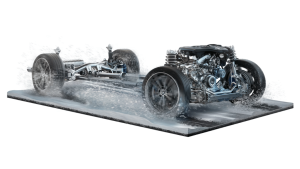
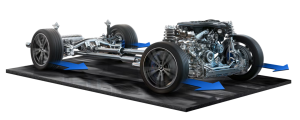
BMW xDrive is an intelligent all-wheel-drive system designed to continuously evaluate driving conditions and distribute power where it can be used most effectively.

If the system detects wheel slip, xDrive can adjust power distribution between the front and rear wheels. BMW also integrates xDrive with systems including Dynamic Stability Control and Dynamic Traction Control.

Unlike a system that waits for the driver to manually engage four-wheel drive, xDrive operates automatically during normal driving.
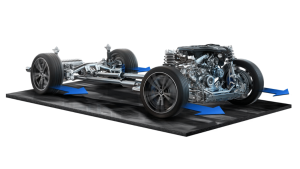
BMW xDrive intelligent all-wheel drive on dry roads

BMW xDrive continuously manages power distribution as driving conditions change.
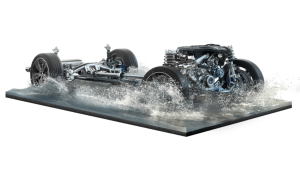
BMW Dynamic Stability Control in rainy road conditions

Dynamic Stability Control can respond when traction loss is detected.
BMW Dynamic Traction Control in snow conditions

Dynamic Traction Control can support traction in more challenging surface conditions.

HOW DOES BMW xDRIVE WORK IN HEAVY RAIN?

Rain is one of the most common situations where Michigan drivers may notice the value of an intelligent all-wheel-drive system.

Water can reduce the available traction between the tires and pavement. Painted lane markings, standing water, construction surfaces, leaves, and other road conditions can further change the amount of grip available.

BMW xDrive continually monitors vehicle information and can redistribute power when wheel slip is detected. Dynamic Stability Control can also intervene by applying individual brakes when necessary to help stabilize the vehicle.
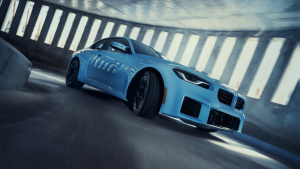
BMW driving on changing road conditions

This does not eliminate the need to adjust driving for rain. Tire tread, tire pressure, standing water, visibility, following distance, and road conditions remain important regardless of drivetrain.

WHAT DOES BMW xDRIVE DO ON DRY AND UNEVEN ROADS?

xDrive is not only active during rain or winter weather. It operates during normal driving as well.

The system continuously evaluates driving information and adjusts power distribution as needed. BMW describes xDrive as rear-wheel biased in many applications, allowing the system to retain characteristics associated with BMW driving dynamics while providing all-wheel-drive traction when conditions require it.
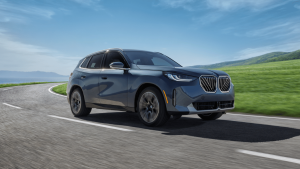
BMW X3 with BMW xDrive all-wheel drive

Drivers interested in a current BMW SUV equipped with xDrive can explore our BMW X3 research page.

DOES BMW xDRIVE HELP WITH POTHOLES?

This is where an important distinction needs to be made.

BMW xDrive does not protect tires, wheels, or suspension components from a pothole impact.

xDrive manages traction and power distribution. A pothole is a physical road hazard. How a BMW responds to that impact depends on factors such as tire construction, tire pressure, wheel size, suspension components, vehicle speed, and the depth and shape of the pothole.

BMW itself notes that rough or damaged road surfaces can cause damage to wheels, tires, and suspension parts. Low-profile tires can provide less cushioning between the wheel and road, making road-hazard awareness especially important.

That distinction matters because all-wheel drive and road-impact protection are two different things. xDrive may help manage available traction on an uneven or slick road surface, but it cannot prevent physical damage when a wheel strikes a severe pothole.

WHAT SHOULD YOU CHECK AFTER HITTING A POTHOLE?

Not every pothole impact results in damage, but a significant impact is worth paying attention to.

Possible signs that a tire, wheel, alignment, or suspension component should be inspected include:

  • A visible tire bulge, cut, gouge, or other sidewall damage
  • A tire-pressure warning
  • New vibration through the steering wheel or vehicle
  • The vehicle pulling to one side
  • A steering wheel that is no longer centered during straight-line driving
  • A visibly bent or damaged wheel
  • New noises after the impact
  • A noticeable change in ride quality or handling
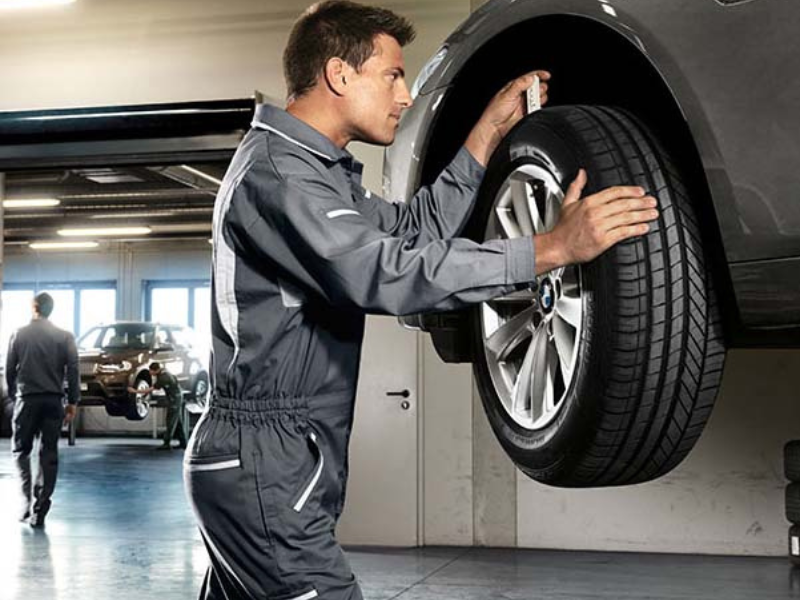
BMW service technician inspecting a tire

If something feels different after a road-hazard impact, a tire and wheel inspection can help identify damage that may not be obvious from a quick visual check.

BMW owners can visit the BMW Tire Center at BMW of Grand Blanc or schedule BMW service for an inspection.

WHY TIRES MATTER WITH BMW xDRIVE.

xDrive can only use the traction available where the tires meet the road. That makes tire condition an important part of the overall system.

Tread depth, tire pressure, tire construction, seasonal suitability, and the correct wheel and tire combination can all influence how a BMW responds to changing road surfaces.

BMW also identifies specially developed tires using a star symbol on the tire sidewall.
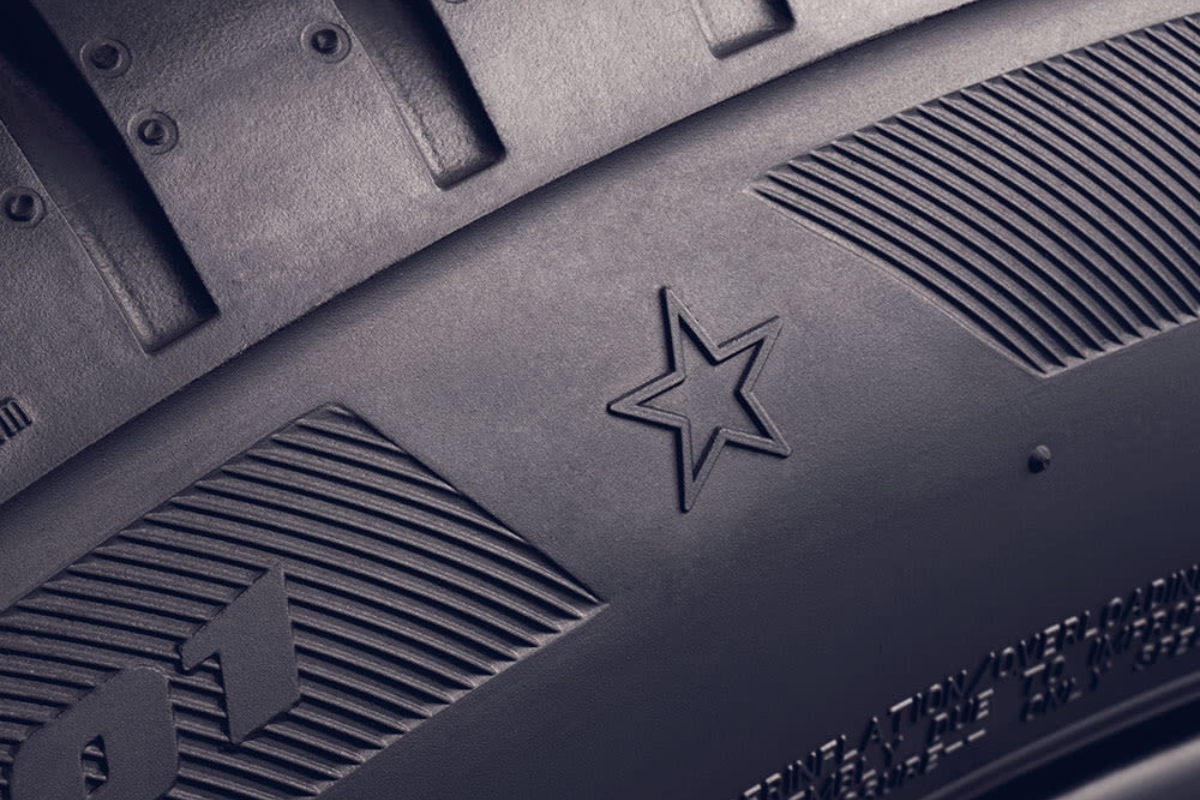
BMW star marked tire symbol on tire sidewall

BMW states that tires specially developed for BMW vehicles are marked with this star symbol. BMW also notes that only certain wheel and tire combinations are appropriate depending on the specific vehicle and equipment.

For BMW owners, that means replacement tires should be selected based on the vehicle's specifications rather than tire size alone.

BMW xDRIVE DOES NOT REPLACE PROPER TIRES.

All-wheel drive can assist with distributing power, but the tires remain the vehicle's contact with the road.

This becomes especially important as temperatures drop later in the year. BMW notes that an all-wheel-drive system cannot compensate for tires that do not have the appropriate flexibility or tread design for winter conditions.

For Michigan drivers, this is why checking tread condition and planning ahead for seasonal tire needs remain important even when a BMW is equipped with xDrive.

Our BMW winter service guide provides additional information for preparing a BMW as colder weather approaches.

WHAT ABOUT BMW xDRIVE IN SNOW?

Snow is only one part of Michigan driving, but it is still an important part of understanding xDrive.

BMW xDrive can redistribute power as traction changes. Dynamic Traction Control, which is part of the Dynamic Stability Control system, can also allow controlled wheel spin in certain situations where additional traction is needed on surfaces such as unplowed snow or loose ground.

That does not mean drivers should treat all-wheel drive as a replacement for appropriate tires, additional stopping distance, or adjustments for winter road conditions.

The reason snow appears lower in this guide is simple: xDrive is useful year-round. Michigan drivers encounter heavy rain, construction, wet leaves, loose pavement, temperature changes, rough roads, and other changing conditions long before the first snowfall.

WHICH BMW MODELS HAVE xDRIVE?

xDrive is used throughout the BMW lineup, including BMW SUVs, sedans, coupes, and electric models depending on configuration.

The name of an individual BMW model often makes the drivetrain easy to identify. Models such as BMW X3 30 xDrive, BMW X5 xDrive40i, and BMW X7 xDrive40i identify xDrive directly in the model designation.

BMW xDrive also extends into fully electric BMW models. For example, 2027 BMW iX3 50 xDrive uses a standard dual-motor all-wheel-drive configuration.

Drivers interested in that model can explore our 2027 BMW iX3 ownership guide.

BMW xDRIVE VS. ALL-WHEEL DRIVE.

BMW xDrive is an all-wheel-drive system, but the name refers specifically to BMW's implementation of intelligent all-wheel drive.

Rather than describing every all-wheel-drive system as identical, it is more useful to understand how BMW approaches the technology. xDrive monitors driving information and can change power distribution between the axles when conditions require it.

BMW also integrates xDrive with Dynamic Stability Control and Dynamic Traction Control, allowing the drivetrain and stability systems to work together as traction conditions change.

BMW xDRIVE FOR GRAND BLANC AND FLINT DRIVERS.

Michigan drivers rarely encounter only one type of road condition. A normal week around Grand Blanc, Flint, and Genesee County can include dry pavement, thunderstorms, standing water, construction zones, rough pavement, and potholes.

BMW xDrive adds intelligent all-wheel-drive capability for changing traction conditions, while proper tires and regular inspections remain important for the physical demands Michigan roads can place on wheels, tires, and suspension components.

That is also why understanding what xDrive does not do is just as useful as understanding what it does. xDrive manages traction. Tires provide road contact. Suspension manages vehicle movement and road impacts. Each has a different role.

EXPLORE BMW xDRIVE AT BMW OF GRAND BLANC.

If you are considering a BMW with xDrive, an in-person drive provides an opportunity to experience the drivetrain, steering, vehicle response, seating position, and BMW technology firsthand.

BMW of Grand Blanc can also help BMW owners evaluate tire condition, wheel concerns, and service needs after encountering rough Michigan roads or potholes.

BMW xDRIVE FREQUENTLY ASKED QUESTIONS.

What is BMW xDrive?

BMW xDrive is BMW's intelligent all-wheel-drive system. It monitors driving information and can automatically adjust power distribution between the wheels as traction conditions change.

Is BMW xDrive always active?

BMW xDrive operates automatically and continuously evaluates vehicle and driving information. Drivers do not normally need to manually engage the system for changing road conditions.

Does BMW xDrive help in rain?

BMW xDrive can adjust power distribution when wheel slip is detected. Dynamic Stability Control can also intervene when traction loss occurs. Tire condition, tire pressure, standing water, visibility, and driver inputs remain important during rainy conditions.

Does BMW xDrive protect against potholes?

No. BMW xDrive manages traction and power distribution. It does not prevent tire, wheel, alignment, or suspension damage from a pothole impact.

Can a pothole damage a BMW tire or wheel?

Yes. BMW notes that rough or damaged road surfaces and other road hazards can damage tires, wheels, and suspension components. A significant impact should be followed by attention to tire pressure, visible tire or wheel damage, vibration, pulling, or other changes in vehicle behavior.

What does the star symbol on a BMW tire mean?

BMW states that tires specially developed for BMW vehicles are identified by a star symbol on the tire sidewall.

Does BMW xDrive replace winter tires?

No. All-wheel drive manages power delivery, while tires provide the actual contact with the road. Tire tread, compound, temperature suitability, and road conditions remain important during Michigan winters.

Is BMW xDrive available on electric BMW models?

Yes. BMW uses xDrive on selected electric models as well. 2027 BMW iX3 50 xDrive, for example, has standard dual-motor all-wheel drive.

Where can I have BMW tires or wheels inspected in Grand Blanc?

BMW owners can schedule tire, wheel, alignment, and related service through BMW of Grand Blanc in Grand Blanc, Michigan.

OFFICIAL BMW SOURCES.

Vehicle features, drivetrain behavior, tire information, and service recommendations are based on BMW information available when this article was prepared. Vehicle equipment varies by model and configuration. Road, weather, tire, and vehicle conditions can affect traction and vehicle response. Consult the applicable owner's manual and BMW Center for information specific to your vehicle.
Posted in:

Related Posts

What Does BMW xDrive Mean BMW xDrive technology explained

What Does BMW xDrive Mean?

BMW xDrive is BMW’s intelligent all wheel drive system designed to improve traction, stability, and performance in changing driving conditions. The system automatically distributes power between the front and rear wheels to help maintain control on dry roads, wet pavement, and snow covered highways. Drivers throughout Grand Blanc, Flint, and across Mid Michigan often see the xDrive badge on many BMW models, especially luxury SUVs and performance sedans. Understanding what BMW xDrive means helps explain why many BMW vehicles perform so confidently in Michigan’s changing weather conditions. What Does BMW xDrive Stand For? The term xDrive refers to BMW’s proprietary intelligent all wheel drive technology. While it is not an acronym in the traditional sense, the name represents BMW’s advanced approach to distributing engine power between all four wheels. Unlike traditional mechanical all wheel drive systems, BMW xDrive constantly monitors driving conditions and adjusts power distribution in real time. This allows the vehicle to maintain grip and control while preserving the precise handling that BMW vehicles are known for. The system works with several other BMW technologies including: Dynamic Stability Control BMW traction control systems BMW Driving Assistance technologies BMW braking and suspension systems By coordinating these systems, BMW xDrive helps improve driver confidence on a wide range of road surfaces. What Is the Meaning of BMW xDrive? The meaning of BMW xDrive goes beyond simple all wheel drive capability. BMW engineers designed the system to support both traction and driving dynamics. Many traditional all wheel drive systems focus only on stability. BMW xDrive is engineered to maintain the brand’s signature balance between performance and control. Key characteristics of BMW xDrive include: Variable front and rear torque distribution Fast electronic response to road conditions Integration with BMW stability and traction systems Improved performance during cornering When additional traction is required, the system can send more power to the wheels with the most grip. When roads are dry and stable, the vehicle can maintain a rear wheel drive feel that supports BMW’s performance focused driving experience. The History Behind BMW xDrive BMW introduced the xDrive system in the early 2000s as an evolution of the company’s earlier all wheel drive technologies. BMW engineers wanted to create a system that delivered better traction while preserving the balanced driving dynamics that define the brand. The first modern BMW vehicles equipped with xDrive appeared in luxury sedans and sport utility vehicles. Over time, the technology expanded across a wide range of models including performance oriented sedans and luxury SUVs. Today, BMW xDrive continues to evolve alongside new technologies such as advanced driving assistance systems and electrified powertrains. The system has become especially popular in regions like Michigan where winter weather, snow, and wet road conditions make intelligent traction systems particularly valuable. How BMW Uses xDrive Today Modern BMW vehicles integrate xDrive with a range of advanced technologies designed to enhance both safety and performance. These systems include: BMW Dynamic Stability Control BMW Driving Assistance Professional BMW Adaptive Suspension systems BMW Intelligent Personal Assistant When sensors detect wheel slip, steering input changes, or road surface variation, the xDrive system adjusts torque distribution almost instantly. This allows BMW vehicles to maintain predictable handling and stability across many different driving environments. For drivers in Grand Blanc and Genesee County, this capability can be especially helpful during: Michigan winter driving conditions Rain soaked highways Uneven rural roads Highway acceleration and merging BMW Models That Use xDrive Many BMW vehicles are available with the xDrive all wheel drive system. These models combine BMW engineering with enhanced traction capabilities. Popular BMW models equipped with xDrive include: BMW X1 luxury compact SUV BMW X3 luxury performance SUV BMW X5 midsize luxury SUV BMW X7 full size luxury SUV BMW 3 Series luxury sports sedan BMW 5 Series executive sedan BMW i4 electric performance sedan BMW iX electric luxury SUV Many of these vehicles are available with advanced interior technology such as the BMW Curved Display and the BMW iDrive infotainment system. Drivers interested in exploring these vehicles can browse the new BMW inventory at BMW of Grand Blanc. Is BMW xDrive Good for Michigan Driving? For many drivers in Grand Blanc, Flint, and surrounding communities, BMW xDrive provides additional confidence during Michigan’s changing seasons. While proper tires and careful driving are always important, an intelligent all wheel drive system can help improve traction during rain, snow, and icy road conditions. Many drivers choose BMW xDrive models because they combine: Performance oriented handling Enhanced traction on slippery roads Luxury interior comfort Advanced driver technology This balance between performance and stability is one of the reasons BMW vehicles remain popular among luxury vehicle drivers throughout Mid Michigan. Common Questions About BMW xDrive What does BMW xDrive mean? BMW xDrive is the brand’s intelligent all wheel drive system that automatically distributes power between the front and rear wheels to improve traction and control. What does xDrive stand for? xDrive is BMW’s name for its advanced all wheel drive technology. It represents BMW’s approach to combining traction, stability, and performance in one system. Is BMW xDrive the same as AWD? BMW xDrive is a form of all wheel drive, but it uses advanced sensors and electronics to actively manage torque distribution between the wheels. Which BMW vehicles have xDrive? Many BMW SUVs and sedans offer xDrive, including the BMW X3, X5, X7, 3 Series, and 5 Series. Is BMW xDrive good for snow? BMW xDrive can help improve traction in snowy conditions when paired with appropriate winter or all season tires. Explore BMW Vehicles at BMW of Grand Blanc Drivers interested in experiencing BMW xDrive technology can explore a wide selection of BMW vehicles at BMW of Grand Blanc. The dealership serves drivers from Grand Blanc, Flint, Fenton, Davison, Burton, Linden, and surrounding communities across Genesee County. Browse available vehicles online or visit the dealership to learn more about BMW performance technology. View New BMW Inventory Browse Certified Pre Owned BMW Vehicles Schedule BMW Service Contact BMW of Grand Blanc

BMW Choose the right one

How to Choose the Right Used BMW for Your Lifestyle

Choosing the right used BMW is about more than simply finding a vehicle that fits your budget. It is about selecting a model that aligns with your lifestyle, driving habits, and long-term expectations. For drivers in Grand Blanc, Flint, and throughout Genesee County, a pre-owned BMW can deliver the performance, refinement, and design the brand is known for, while offering strong overall value. With a wide range of models available, understanding what to look for can help you make a more confident decision. This guide outlines the key factors to consider when choosing a used BMW that fits your daily routine and driving preferences. Start with Your Driving Needs Your lifestyle plays a major role in determining which BMW model will be the right fit. Think about how you use your vehicle throughout the week and what you expect from it over time. Daily commuting around Grand Blanc or Flint may call for a sedan that balances comfort and efficiency. Family transportation or weekend travel may make a BMW X3 or X5 a better option. Drivers focused on performance may prefer models from the BMW 3 Series or M lineup. Understand BMW Model Options BMW offers a diverse lineup, and each model brings a different driving experience. Taking time to compare models can help narrow your search and identify the right fit. BMW 3 Series – A well-balanced option for drivers who want performance and everyday usability. BMW 5 Series – A more refined sedan with additional space and premium features. BMW X3 and X5 – Versatile SUVs designed for comfort, capability, and year-round driving. View Pre-Owned BMW Inventory Explore Certified BMW Options Set a Realistic Budget A well-planned budget should include more than the purchase price. Ownership costs such as insurance, maintenance, and fuel should all be considered when evaluating a used BMW. Financing options are also available for pre-owned vehicles, making it easier to structure a payment plan that fits your financial goals. Inspect the Vehicle Carefully A detailed inspection is one of the most important steps when purchasing a used BMW. Reviewing the vehicle’s condition and service history can help you avoid unexpected issues and better understand how the vehicle has been maintained. Check engine performance and overall drivability Review interior condition and technology features Inspect exterior panels, paint, and tires Confirm service records when available Review Vehicle History A vehicle history report can provide insight into past ownership, accident history, and mileage consistency. This step adds transparency and helps you make a more informed decision before moving forward. Take a Test Drive Driving the vehicle is essential to understanding how it performs in real conditions. Pay attention to acceleration, handling, braking, and overall comfort to ensure the BMW meets your expectations. Consider Certified Pre-Owned BMW Models A Certified Pre-Owned BMW offers an additional level of confidence. These vehicles are selected to meet higher standards and are often preferred by drivers who want a balance between value and long-term reliability. Plan for Long-Term Ownership Understanding long-term ownership costs helps ensure your BMW continues to meet your expectations. Regular maintenance, service scheduling, and proper care all contribute to preserving performance and value. Apply for Financing Contact BMW of Grand Blanc Find the Right Used BMW in Grand Blanc At BMW of Grand Blanc, drivers can explore a wide range of pre-owned and Certified BMW vehicles in one location. Whether you are just starting your search or narrowing down your options, our team is here to help you move forward with confidence. Visit BMW of Grand Blanc to explore available inventory and discover which used BMW best fits your lifestyle and driving needs.

2026 BMW 4 Series Coupe comparison for Michigan drivers

2026 BMW 4 Series Coupe vs. Mercedes-Benz CLE Coupe: Performance, Technology & Key Differences

BMW 4 Series Coupe and Mercedes-Benz CLE Coupe give drivers two distinct approaches to a two-door performance-oriented vehicle. Both offer turbocharged powertrains, available all-wheel-drive capability, modern digital technology, seating for four, and designs centered around the coupe format. For Michigan drivers comparing similar configurations, 2026 BMW 430i xDrive Coupe and 2026 Mercedes-Benz CLE 300 4MATIC Coupe make a particularly useful comparison. Both produce 255 horsepower and 295 lb-ft of torque, yet their transmissions, dimensions, technology, fuel economy, and overall driving environments differ. Compare 2026 BMW 430i xDrive Coupe and Mercedes-Benz CLE 300 4MATIC Coupe performance, technology, dimensions, and everyday usability. 2026 BMW 4 SERIES COUPE VS. MERCEDES-BENZ CLE COUPE AT A GLANCE. Comparison 2026 BMW 430i xDrive Coupe 2026 Mercedes-Benz CLE 300 4MATIC Coupe Engine 2.0-liter BMW TwinPower Turbo four-cylinder with 48V mild-hybrid technology 2.0-liter turbocharged four-cylinder with 48V mild-hybrid technology Horsepower 255 hp 255 hp Torque 295 lb-ft 295 lb-ft Transmission Eight-speed automatic Nine-speed automatic Drive System BMW xDrive all-wheel drive 4MATIC all-wheel drive Passenger Capacity Four Four Length 187.9 inches 191.0 inches Width Without Mirrors 72.9 inches 73.3 inches Wheelbase 112.2 inches 112.8 inches EPA City/Highway 27/34 mpg 23/32 mpg Specifications are based on current manufacturer information. Equipment, configuration, testing procedures, driving conditions, and other factors can affect published vehicle specifications and fuel economy. WHAT IS THE DIFFERENCE BETWEEN BMW 4 SERIES COUPE AND MERCEDES-BENZ CLE COUPE? At first glance, BMW 430i xDrive Coupe and Mercedes-Benz CLE 300 4MATIC Coupe are remarkably close in several areas. Both have four seats, four-cylinder turbocharged powertrains, all-wheel drive, and identical published horsepower and torque figures. However, the vehicles take different approaches once you move beyond engine output. BMW 430i xDrive Coupe is slightly shorter and narrower, uses an eight-speed automatic transmission, and pairs BMW xDrive with the driving characteristics of BMW 4 Series Coupe. In comparison, CLE 300 4MATIC Coupe has a slightly larger exterior footprint and a nine-speed automatic transmission. Mercedes-Benz also centers much of the cabin experience around its third-generation MBUX interface. As a result, this comparison is less about which vehicle has the larger horsepower number and more about drivetrain behavior, vehicle size, technology preferences, interior layout, and the driver's connection with the vehicle. MEET 2026 BMW 430i xDRIVE COUPE. 2026 BMW 430i xDrive Coupe uses a 2.0-liter BMW TwinPower Turbo four-cylinder engine producing 255 horsepower and 295 lb-ft of torque. The powertrain incorporates 48V mild-hybrid technology and pairs with an eight-speed Steptronic Sport automatic transmission. BMW xDrive intelligent all-wheel drive is included in the configuration being compared here. BMW 430i xDrive Coupe measures 187.9 inches long, 72.9 inches wide without mirrors, and 54.8 inches high. Its wheelbase measures 112.2 inches. In addition, the coupe provides seating for four, with two front seats and two individual rear seating positions. Drivers researching additional BMW models can visit the BMW of Grand Blanc model research center. BMW 430i xDRIVE VS. CLE 300 4MATIC PERFORMANCE. From a published engine-output standpoint, these two coupes begin in exactly the same place. BMW 430i xDrive Coupe produces 255 horsepower and 295 lb-ft of torque. Mercedes-Benz CLE 300 4MATIC Coupe also produces 255 horsepower and 295 lb-ft of torque. Both manufacturers incorporate 48V mild-hybrid technology into these powertrains. However, the transmissions and all-wheel-drive systems are manufacturer-specific. BMW uses an eight-speed automatic transmission with BMW xDrive. Mercedes-Benz uses a nine-speed automatic transmission with 4MATIC. Consequently, identical horsepower and torque specifications do not mean the vehicles will feel identical from behind the wheel. Steering response, transmission calibration, seating position, suspension tuning, drivetrain behavior, visibility, and control placement all contribute to the experience. For shoppers comparing these vehicles, an in-person drive provides information that a specification chart cannot. BMW xDRIVE VS. MERCEDES-BENZ 4MATIC. BMW xDrive and Mercedes-Benz 4MATIC are both intelligent all-wheel-drive systems, but each is integrated into its manufacturer's own vehicle architecture. BMW xDrive can continuously vary power distribution between the front and rear wheels as driving conditions change. In situations where additional front-wheel traction is not required, the system can emphasize the rear axle as part of BMW's approach to vehicle dynamics. Meanwhile, Mercedes-Benz describes 4MATIC as an always-engaged all-wheel-drive system that works with its Electronic Stability Program and other vehicle systems to manage traction. For Michigan drivers, both systems provide all-wheel-drive capability for changing conditions. Still, tire condition, road surface, rainfall, temperature, driver inputs, and seasonal tire suitability remain important regardless of drivetrain. BMW 4 SERIES COUPE VS. MERCEDES-BENZ CLE COUPE SIZE. BMW 430i xDrive Coupe has the smaller exterior footprint in this comparison. At 187.9 inches long, BMW is approximately three inches shorter than CLE 300 4MATIC Coupe at 191.0 inches. The difference in width is smaller. BMW measures 72.9 inches wide without mirrors, while Mercedes-Benz measures 73.3 inches. Wheelbase measurements are also close, at 112.2 inches for BMW and 112.8 inches for Mercedes-Benz. For drivers who use residential garages, downtown parking areas, or tighter parking spaces, overall dimensions can be as important as passenger capacity. Therefore, comparing exterior size in addition to cabin comfort can be useful before making a decision. BOTH COUPES SEAT FOUR. BMW 4 Series Coupe and Mercedes-Benz CLE Coupe both provide seating for four passengers. That configuration reflects the purpose of a two-door coupe. Front-seat occupants receive convenient access through the longer front doors, while the rear cabin provides two dedicated seating positions. For shoppers who regularly carry rear-seat passengers, it is worth evaluating access as well as the seating itself. Rear-seat entry, legroom, roofline, door opening size, and the frequency with which the rear seats will be used can all influence everyday usability. On the other hand, drivers who primarily travel alone or with one passenger may place greater emphasis on front-seat ergonomics, visibility, technology, and driving characteristics. BMW 4 SERIES COUPE TECHNOLOGY. BMW 4 Series Coupe uses BMW Operating System 8.5 with QuickSelect as part of its current digital environment. QuickSelect provides direct access to frequently used functions from the BMW Curved Display. Instead of navigating through multiple menus, drivers can reach entertainment, contacts, navigation, climate settings, communication functions, and vehicle settings from the primary interface. BMW Intelligent Personal Assistant adds voice interaction, while the My BMW App can connect drivers with vehicle information and selected remote functions. Available driver-assistance and parking technology can further expand the equipment depending on configuration. For example, BMW offers systems designed to support parking maneuvers, surrounding-area visibility, distance management, and highway driving. MERCEDES-BENZ CLE COUPE TECHNOLOGY. Mercedes-Benz CLE 300 4MATIC Coupe takes a different digital approach with third-generation MBUX. The standard system includes a 12.3-inch digital instrument cluster and an 11.9-inch central touchscreen. It also includes wireless Apple CarPlay and Android Auto compatibility, voice controls, navigation, and user profiles. Mercedes-Benz also includes a panorama roof as standard equipment on CLE 300 4MATIC Coupe. Rather than judging either interface solely by screen dimensions, shoppers should consider how often-used functions are accessed. Menu structure, voice interaction, physical controls, navigation display, smartphone integration, and display positioning can affect everyday usability more than screen size alone. BMW OPERATING SYSTEM 8.5 VS. MBUX. This is one area where personal preference becomes especially important. BMW Operating System 8.5 uses QuickSelect to reduce the number of menu layers required for frequently used functions. The BMW Curved Display places driver information and the central control interface alongside one another. By contrast, Mercedes-Benz MBUX separates its 12.3-inch digital instrument cluster from an 11.9-inch portrait-oriented central touchscreen. Both support voice interaction and smartphone connectivity. However, their visual layouts and control philosophies are different. For that reason, shoppers should spend time using navigation, climate settings, audio, phone functions, and vehicle settings during an in-person comparison instead of relying only on feature lists. BMW 430i xDRIVE FUEL ECONOMY. Published EPA fuel-economy figures also differ between these configurations. BMW lists 430i xDrive Coupe at 27 mpg city and 34 mpg highway. Mercedes-Benz lists CLE 300 4MATIC Coupe at 23 mpg city and 32 mpg highway. Actual fuel economy varies based on traffic, weather, tire selection, driving conditions, vehicle load, maintenance, and individual driving habits. Still, the EPA ratings provide another useful comparison point for drivers who regularly commute or travel longer distances. WHICH COUPE FITS MICHIGAN DRIVING? For Michigan drivers, both configurations provide all-wheel drive, which can be useful as road and weather conditions change throughout the year. BMW 430i xDrive Coupe combines BMW xDrive with a smaller exterior footprint and the current BMW digital environment. Meanwhile, CLE 300 4MATIC Coupe provides its own all-wheel-drive system, a slightly larger body, and the MBUX interface. During warmer months, drivers may encounter heavy rain, road construction, uneven pavement, and changing highway conditions. Later in the year, colder temperatures and winter weather add another set of considerations. Regardless of which vehicle is chosen, tires remain critical. All-wheel drive helps manage power distribution, but the tires provide the physical connection between the vehicle and the road. BMW 430i xDRIVE COUPE MAY BE A BETTER FIT IF YOU: Prefer BMW xDrive intelligent all-wheel drive Want the smaller exterior footprint in this comparison Prefer an eight-speed automatic transmission Prefer BMW Operating System 8.5 and QuickSelect Want BMW Curved Display and BMW Intelligent Personal Assistant Value the published 27/34 mpg city/highway rating Prefer the BMW coupe driving environment MERCEDES-BENZ CLE 300 4MATIC MAY APPEAL IF YOU: Prefer Mercedes-Benz 4MATIC all-wheel drive Want a slightly larger exterior footprint Prefer a nine-speed automatic transmission Prefer the MBUX digital interface Want the standard panorama roof Prefer the separate digital instrument cluster and portrait-oriented central touchscreen layout Because horsepower and torque are identical in these two configurations, the decision becomes especially dependent on the characteristics that cannot be fully communicated through numbers alone. BMW 4 SERIES COUPE FOR GRAND BLANC AND FLINT DRIVERS. BMW 430i xDrive Coupe brings together a two-door body, seating for four, BMW xDrive, 255 horsepower, BMW Operating System 8.5, and a relatively compact exterior footprint. For drivers around Grand Blanc, Flint, and Genesee County, that combination can support daily commuting, highway travel, weekend driving, and year-round Michigan ownership. Drivers who want to compare BMW 4 Series Coupe with other BMW models can also explore the BMW model research resources available through BMW of Grand Blanc. COMPARE BMW 4 SERIES COUPE AT BMW OF GRAND BLANC. Online research can identify meaningful differences between BMW 4 Series Coupe and Mercedes-Benz CLE Coupe. However, seating position, visibility, steering response, control layout, rear-seat access, technology, and overall vehicle feel are easier to evaluate in person. BMW of Grand Blanc can help drivers explore BMW 4 Series Coupe configurations, current BMW inventory, and BMW ownership resources. Explore New BMW Inventory Schedule a Test Drive Contact BMW of Grand Blanc BMW 4 SERIES COUPE VS. MERCEDES-BENZ CLE COUPE FREQUENTLY ASKED QUESTIONS. What is the main difference between BMW 430i xDrive Coupe and Mercedes-Benz CLE 300 4MATIC Coupe? Both coupes produce 255 horsepower and 295 lb-ft of torque and include all-wheel drive in the configurations compared. BMW 430i xDrive Coupe is slightly shorter, uses an eight-speed automatic transmission, and features BMW Operating System 8.5. CLE 300 4MATIC Coupe uses a nine-speed automatic transmission, has a slightly larger exterior footprint, and features third-generation MBUX. Which has more horsepower, BMW 430i xDrive or Mercedes-Benz CLE 300 4MATIC? Neither has an advantage in published horsepower. BMW 430i xDrive Coupe and Mercedes-Benz CLE 300 4MATIC Coupe each produce 255 horsepower. Which has more torque? Both configurations publish 295 lb-ft of torque. Does BMW 430i Coupe offer all-wheel drive? Yes. BMW 430i xDrive Coupe includes BMW xDrive intelligent all-wheel drive. BMW also offers a rear-wheel-drive 430i Coupe configuration. Is BMW 4 Series Coupe smaller than Mercedes-Benz CLE Coupe? Yes. BMW 430i xDrive Coupe measures 187.9 inches long, compared with 191.0 inches for Mercedes-Benz CLE 300 4MATIC Coupe. How many people can BMW 4 Series Coupe seat? BMW 4 Series Coupe provides seating for four people, including the driver, front passenger, and two rear passengers. Which has better published fuel economy? BMW lists 430i xDrive Coupe at 27 mpg city and 34 mpg highway. Mercedes-Benz lists CLE 300 4MATIC Coupe at 23 mpg city and 32 mpg highway. Actual fuel economy varies with driving and vehicle conditions. What technology does BMW 4 Series Coupe use? BMW 4 Series Coupe uses BMW Operating System 8.5 with QuickSelect, BMW Curved Display, BMW Intelligent Personal Assistant, and connected functionality through the My BMW App. Available packages can add additional driver-assistance and parking technology. Which is better for Michigan, BMW 430i xDrive or CLE 300 4MATIC? Both include all-wheel drive and can support year-round Michigan driving. The better fit depends on preferences for drivetrain behavior, dimensions, technology, interior layout, and overall driving characteristics. Appropriate tires and road-condition awareness remain important with either vehicle. Should I test-drive BMW 4 Series Coupe before choosing between the two? Yes. A test drive can help evaluate BMW 4 Series Coupe steering response, seating position, visibility, technology, control layout, rear-seat access, and overall driving characteristics in ways specifications alone cannot show. OFFICIAL MANUFACTURER SOURCES. BMW USA - BMW 4 Series Coupe Technical Specifications BMW USA - BMW 4 Series Coupe Mercedes-Benz USA - CLE 300 4MATIC Coupe Vehicle specifications, features, dimensions, drivetrain information, and fuel economy are based on manufacturer information available when this article was prepared and may change. Equipment varies by vehicle configuration. EPA estimates are for comparison purposes and actual fuel economy will vary based on driving conditions, weather, vehicle condition, equipment, and individual driving habits.