


Top 10 Reasons to Choose a Certified Pre-Owned BMW
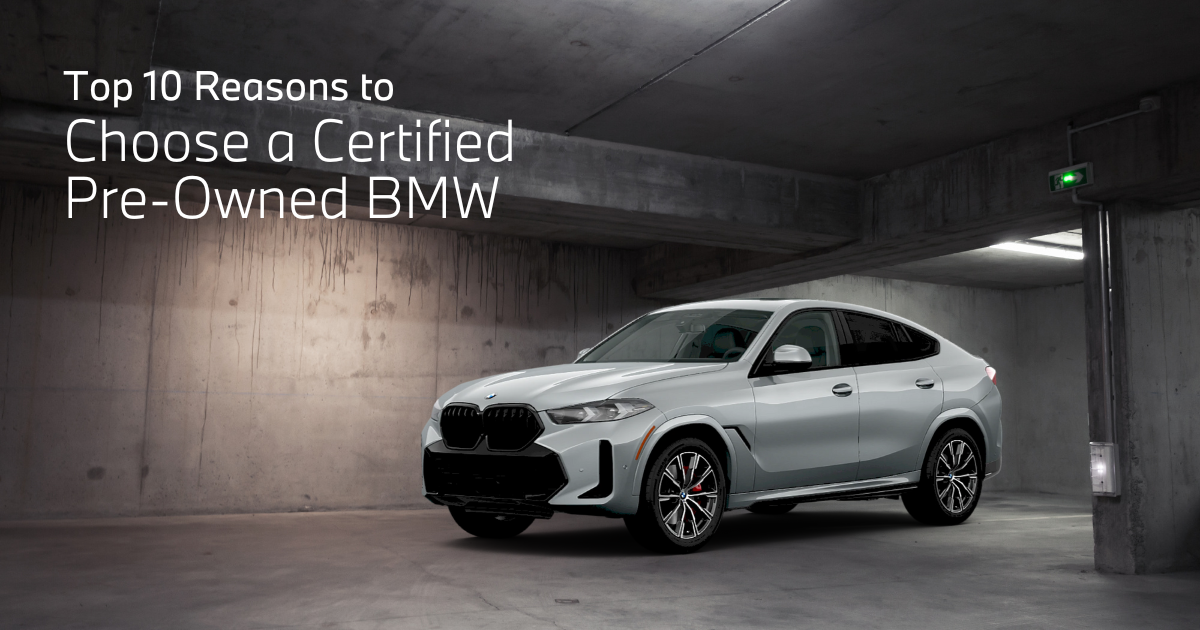
When it comes to buying a luxury car like a BMW, there’s a common perception that brand new is the only way to go. However, the world of automotive purchasing has evolved, and the Certified Pre-Owned (CPO) BMW market has gained popularity over the years. In this article, we’ll explore the top 10 reasons why choosing a Certified Pre-Owned BMW can be an intelligent and rewarding decision.
Quality Assurance: Ensuring Excellence
One of the standout features of a CPO BMW is the rigorous inspection and certification process it undergoes. These vehicles are held to the highest standards, with an extensive checklist to ensure they meet BMW’s stringent quality criteria.
Warranty Coverage: Peace of Mind
Perhaps one of the most compelling reasons to opt for a CPO BMW is the warranty coverage. These cars come with an extended warranty that provides you with peace of mind, covering a range of potential issues, and offering additional protection beyond a typical used car.
Vehicle History Report: Transparency Matters
CPO BMWs come with a comprehensive vehicle history report. You can rest assured knowing the car’s complete history, including any accidents or repairs. Transparency is key when making a significant investment.
Cost Savings: A Wise Financial Choice
New BMWs often come with a steep price tag, and they depreciate quickly during the first few years. CPO BMWs, on the other hand, offer substantial cost savings while delivering a nearly new driving experience.
Competitive Financing Rates: Affordability Matters
Financing a CPO BMW is not only affordable but also comes with attractive interest rates. Lower monthly payments can make owning a luxury car more attainable than you might think.
Resale Value: Holding Its Worth
CPO BMWs are known for holding their value exceptionally well. When the time comes to sell or trade-in, you’ll appreciate the higher resale value compared to non-certified used cars.
Selection and Variety: Find Your Perfect Fit
BMW offers a wide range of models, and CPO programs typically include various model options and model years. Whether you prefer a sleek sedan, a versatile SUV, or a sporty coupe, you’re likely to find your ideal CPO BMW.
Reliability and Reputation: Built to Last
BMW has earned a reputation for engineering excellence and performance. CPO BMWs undergo rigorous inspections, ensuring that they maintain the brand’s high standards of reliability.
Enhanced Ownership Experience: Extra Perks
CPO BMW ownership comes with benefits such as roadside assistance, extended coverage, and exclusive access to BMW programs and events. It’s more than just owning a car; it’s joining a community.
Customer Testimonials: Real Experiences Matter
Don’t just take our word for it. Hear from real CPO BMW owners and their experiences. Read testimonials and discover why many have chosen CPO BMWs as their vehicles of choice.
In conclusion, the decision to choose a Certified Pre-Owned BMW is not just about saving money; it’s about getting an exceptional vehicle with added benefits and peace of mind. The combination of quality assurance, warranty coverage, and a wide selection of models makes CPO BMWs a smart choice for those looking to enjoy the luxury and performance of a BMW without breaking the bank.
When you opt for a CPO BMW, you’re not just buying a car; you’re investing in an experience. Your journey starts with the reassurance of quality and reliability and extends to the pride of owning a BMW. It’s a choice that reflects both practicality and passion, a choice that stands the test of time.
Tech Talk with BMW of Grand Blanc
Introduction
Setting the Technological Stage
In the dynamic realm of automotive innovation, BMW of Grand Blanc emerges as a trailblazer, reshaping the driving landscape through avant-garde technology. From interconnected vehicles to sustainable mobility solutions, BMW’s unwavering dedication to technological brilliance is revolutionizing our interaction with automobiles.
The Unveiling of BMW’s Technological Ecosystem
Beyond the mechanical intricacies of their cars, BMW has meticulously crafted an all-encompassing technological ecosystem. This seamlessly incorporates advancements such as the Internet of Things (IoT), artificial intelligence, and sustainable practices, creating an immersive and holistic driving experience.
Connected Car Innovations
Integration of IoT in BMW Vehicles
The Internet of Things in Automotive Design
The fusion of the Internet of Things (IoT) with automotive design is not an abstract concept for BMW; it’s a tangible reality woven into the very fabric of their vehicles. This transcends mere connectivity, evolving into a sophisticated tapestry of smart features and real-time data analysis that propels the BMW driving experience to unprecedented heights.
BMW’s Approach to IoT Integration
BMW’s perspective on IoT transcends mere gadgetry; it’s about cultivating an interconnected driving environment. Through strategic leveraging of IoT, BMW ensures that your car seamlessly integrates with your digital life, syncing with your preferences and intelligently anticipating your needs.
Advanced Driver Assistance Systems (ADAS)
The Evolution of ADAS in BMW Models
Advanced Driver Assistance Systems (ADAS) have evolved from a luxury feature to a foundational element of BMW’s safety ethos. Delve into the chronological progression of ADAS integration in BMW models, showcasing the brand’s commitment to crafting not just cars but intelligent and secure driving companions.
Real-world Impacts and User Experiences
Explore the tangible impact of ADAS through the experiences of BMW drivers. From collision avoidance to stress-free parking, ADAS transcends a mere set of features; it’s a testament to BMW’s dedication to ensuring every drive is safer, more enjoyable, and laden with transformative technologies.
Sustainable Mobility Solutions
Electrification Initiatives
BMW’s Electrified Fleet Overview
BMW’s venture into electrification is more than an acknowledgment of environmental consciousness; it’s a strategic vision for the future. Survey the array of electrified vehicles, exemplifying the brand’s commitment to sustainable mobility without compromising the quintessential BMW driving experience.
Advancements in Battery Technology
At the core of electric vehicles lie their batteries. Uncover BMW’s unrelenting pursuit of advancements in battery technology, transforming electric cars from mere eco-friendly options to practical and powerful choices for discerning drivers.
Eco-Friendly Manufacturing Practices
Sustainable Materials and Production Processes
BMW’s commitment to environmental responsibility extends beyond its fleets to a reimagination of the entire production process. Delve into the innovative incorporation of sustainable materials and eco-friendly practices in BMW manufacturing, proving that luxury can harmonize with environmental stewardship.
BMW’s Commitment to Environmental Responsibility
Moving beyond regulatory compliance, BMW actively shapes the industry’s future by establishing higher benchmarks for environmental responsibility. Discover the initiatives and commitments that position BMW as a leader in sustainable automotive practices, paving the way for a greener tomorrow.
Artificial Intelligence in Driving
Autonomous Driving Features
BMW’s Journey Towards Full Autonomy
Autonomous driving is not a distant dream but a meticulously planned journey for BMW. Explore the milestones in BMW’s pursuit of full autonomy, balancing technological ambition with safety considerations and regulatory compliance.
Safety and Ethical Considerations
As artificial intelligence takes the wheel, safety and ethics take center stage. Uncover BMW’s approach to ensuring the safety of autonomous driving features while addressing the ethical considerations that arise with relinquishing control to artificial intelligence.
AI-Powered User Experience
Personalized Driving Experiences
BMW’s AI transcends conventional driving—it comprehends. Delve into how artificial intelligence tailors the driving experience, learning from the driver’s habits and preferences to craft a bespoke journey with every ignition.
Human-Machine Interaction in BMW Vehicles
Beyond algorithms, BMW accentuates the human touch in human-machine interaction. Explore the intuitive interfaces and AI-assisted features that transform BMW vehicles from advanced machines into empathetic driving companions.
Future Tech Horizons
Quantum Computing in Automotive Design
Implications for Vehicle Performance
Quantum computing isn’t relegated to science fiction—it’s the impending frontier for BMW’s engineering. Unearth the implications of quantum computing on vehicle performance, promising breakthroughs in efficiency, design, and beyond.
BMW’s Research and Development in Quantum Computing
Peer into BMW’s research labs to comprehend how the company harnesses quantum computing in its Research and Development endeavors. This showcases a commitment to remain at the forefront of technological innovation, paving the way for a future where quantum leaps redefine the automotive landscape.
Augmented Reality in Car Navigation
Enhancing the Driving Experience with AR
Beyond conventional navigation, BMW explores augmented reality to redefine our interaction with the road. Scrutinize how AR enhances the driving experience, providing not just directions but a dynamic, context-aware guide that transcends the boundaries of traditional navigation.
BMW’s Vision for AR Integration
BMW’s vision extends beyond the visible horizon. Explore how the brand envisions the integration of augmented reality into its vehicles, promising a future where the line between the digital and physical driving experience is elegantly blurred, setting new standards for automotive innovation.
Top BMW Models to Drive in Grand Blanc, MI
Introduction
In the tranquil streets of Grand Blanc, Michigan, a distinct allure beckons automotive enthusiasts – the unmistakable charm of BMW cars. With their blend of sophisticated engineering, luxurious comfort, and cutting-edge technology, BMWs have carved out a prominent niche in this picturesque town. In this comprehensive guide, we delve into the world of BMW, taking a closer look at the top models that have captured the hearts of Grand Blanc residents.
BMW 3 Series
Grand Blanc residents have long held the BMW 3 Series in high regard, and for good reason. This iconic compact luxury sedan encapsulates the very essence of BMW’s driving pleasure. Its popularity can be attributed to its impeccable blend of performance and luxury, where power meets refinement. Under the hood, you’ll find an array of potent engines, from efficient four-cylinders to thrilling six-cylinders, delivering exhilarating acceleration and precise handling. Moreover, the 3 Series boasts an array of trims, from the sporty M Sport to the opulent 3 Series Luxury Line, allowing buyers to tailor their ride to their unique tastes.
BMW 5 Series
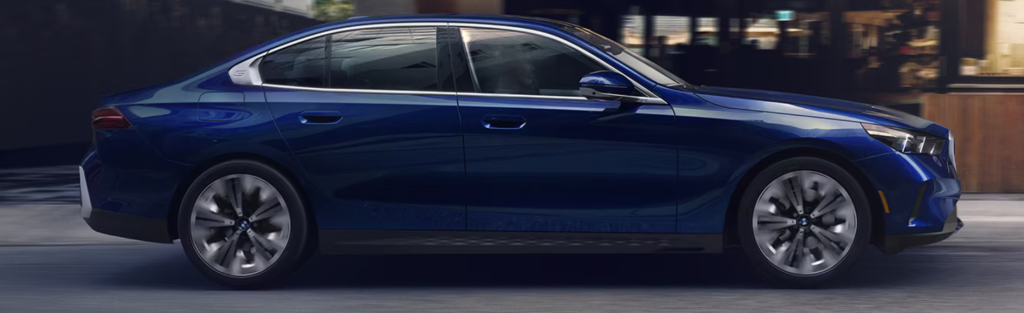
For those in Grand Blanc seeking a harmonious marriage of practicality and elegance, the BMW 5 Series is an unmissable choice. This midsize luxury sedan embodies sophistication with its sleek design and premium materials. Inside, the cabin is a testament to BMW’s commitment to craftsmanship, offering a serene environment loaded with advanced technology. Safety is paramount, thanks to a suite of driver-assistance features that enhance both convenience and security. And when versatility is on your checklist, the 5 Series doesn’t disappoint, with options for both sedan and wagon configurations.
BMW X3
As the SUV trend continues to surge, the BMW X3 emerges as a standout player in Grand Blanc’s automotive landscape. This compact luxury SUV is designed for the modern family, combining a spacious interior with a comfortable ride. The X3’s allure lies in its versatility, offering an array of powertrains, including potent turbocharged engines and even a plug-in hybrid variant. Plus, the available all-wheel-drive system ensures confidence in diverse driving conditions, making it a perfect fit for Michigan’s variable weather.
BMW X5
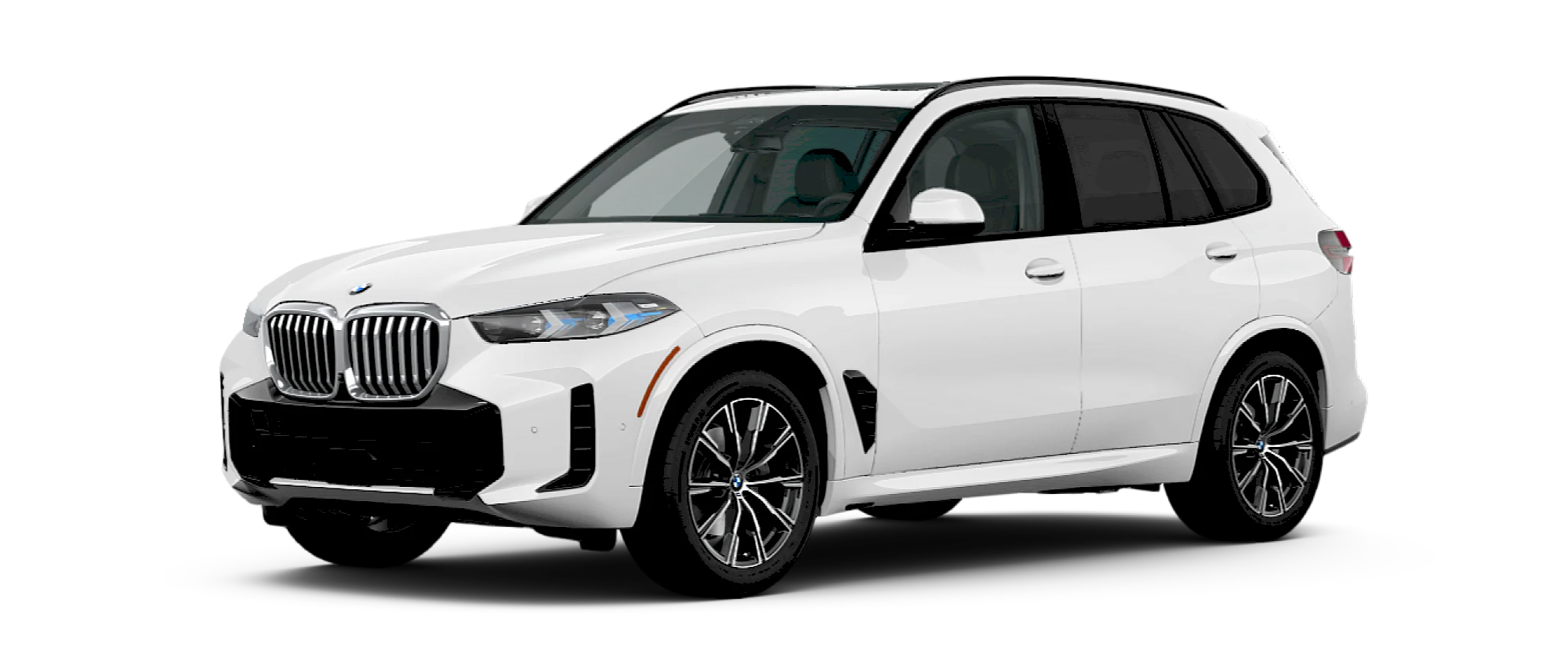
In the world of luxury SUVs, the BMW X5 reigns supreme in Grand Blanc. This midsize SUV delivers not only opulence but also remarkable utility. The X5’s cargo space is impressive, and its towing capacity ensures you can bring along all your toys for the ride. Inside, advanced technology and safety features abound, promising a secure and connected driving experience. Whether you’re navigating the city streets or venturing into the great outdoors, the BMW X5 provides the ideal blend of luxury and versatility.
BMW 7 Series
For those who demand nothing less than the pinnacle of BMW luxury, the 7 Series stands as a testament to opulence and innovation. This full-size luxury sedan encapsulates the essence of sophistication with its premium materials and meticulous attention to detail. Inside the cabin, you’ll find sumptuous comfort paired with cutting-edge infotainment and an array of driver-assistance systems that redefine the driving experience. The BMW 7 Series is the embodiment of prestige, making it the perfect choice for those seeking the highest echelons of automotive luxury in Grand Blanc.
BMW Z4
For the spirited souls who crave the thrill of open-top driving, the BMW Z4 offers an exhilarating experience. This luxury sports car embodies sportiness with its sleek design and dynamic performance. Whether you opt for the sDrive30i or the M40i, you’ll be treated to a potent engine, razor-sharp handling, and a roof that retracts at the push of a button. With various trims and customization options available, the BMW Z4 allows you to tailor your driving experience to your unique desires.
BMW M Models
When raw power and track-worthy performance are your priorities, the BMW M series awaits. These high-performance vehicles boast muscular engines that produce heart-pounding acceleration. Whether you choose the M3, M4, or another M model, you’re guaranteed an adrenaline-fueled ride. Beyond power, M models feature sophisticated handling systems, race-inspired design cues, and an air of exclusivity that sets them apart in Grand Blanc’s automotive landscape.
BMW i Series
In an era of growing environmental consciousness, the BMW i series stands as a beacon of sustainability. These electric and hybrid models cater to eco-conscious drivers in Grand Blanc. The i3 and i4 offer emissions-free electric driving, while the iX3 and iX5 provide plug-in hybrid options that blend efficiency with all-wheel-drive capability. Furthermore, Grand Blanc’s commitment to electric mobility is reinforced by the availability of charging infrastructure and government incentives to promote sustainable driving.
BMW Certified Pre-Owned
Buying a BMW is often an investment in quality, and for those looking for the perfect balance between value and assurance, certified pre-owned (CPO) BMWs are a compelling choice. This section explains the benefits of opting for a CPO BMW, such as extended warranty coverage and a rigorous inspection process. It also offers tips to help Grand Blanc residents find the ideal certified BMW, ensuring peace of mind with their purchase.
Conclusion
In conclusion, the allure of BMW in Grand Blanc, MI, is undeniable. From the nimble 3 Series to the opulent 7 Series, the versatile X models to the high-performance M variants, BMW offers something for every discerning driver. Whether you’re captivated by luxury, eco-consciousness, or thrilling performance, BMW’s diverse lineup has you covered. We encourage you to explore these top BMW models at your local dealership and experience firsthand the timeless appeal and luxury that these vehicles bring to the streets of Grand Blanc.
Introduction
In the world of luxury automobiles, BMW stands out as a symbol of excellence in engineering and performance. Owning a BMW is not just about having a car; it’s a statement of sophistication and style. To preserve the optimal performance and longevity of your BMW, meticulous maintenance is key. This guide, tailored to the Grand Blanc, Michigan area, will delve into the intricacies of BMW maintenance, providing you with insights and tips to ensure your BMW remains in pristine condition.
Routine Maintenance
Oil Changes: A Crucial Ritual
Regular oil changes are the lifeblood of your BMW’s engine. Discover the importance of this ritual and the specific oil requirements that BMWs demand for peak performance.
Fluid Inspections: Beyond the Engine
Your BMW relies on various fluids for smooth operation. Learn about inspecting brake fluid, coolant levels, and transmission fluid to keep your vehicle running flawlessly.
Tire Care: Traction and Longevity
Tires are the only point of contact between your BMW and the road. Explore the significance of maintaining proper tire pressure, rotating tires, and choosing the right set for your BMW.
Engine Health
Spark Plug Replacement: Igniting Performance
Uncover the vital role spark plugs play in your BMW’s engine, and recognize the signs that indicate it’s time for a spark plug replacement.
Air Filter Maintenance: Breathing Elegance
Delve into the function of air filters in your BMW’s engine and learn when and how to replace them for optimal air intake and engine performance.
Fuel System Cleaning: Maximizing Efficiency
A clean fuel system is essential for fuel efficiency and engine performance. Explore the significance of regular fuel system cleaning and recommended intervals.
Electrical System
Battery Maintenance: Powering Precision
Understand the types of batteries used in BMWs and discover tips to extend your battery’s life, ensuring it never leaves you stranded.
Alternator and Starter: The Ignition Duo
Learn about the roles of the alternator and starter in starting your BMW and the signs that may indicate issues with these vital components.
Brake and Suspension
Brake Pad and Rotor Replacement: Stopping Safely
Your safety depends on well-maintained brakes. Recognize signs of brake wear and understand the importance of regular brake maintenance.
Suspension Component Inspection: Smooth Cruising
A smooth ride is synonymous with BMW. Explore key suspension components and how to identify signs of suspension issues before they worsen.
Cooling and Heating
Radiator Care: Keeping Your Cool
Dive into the importance of a well-maintained cooling system, learn how to inspect your radiator, and understand the role it plays in engine temperature regulation.
Heater Core and AC System: Climate Control Precision
Discover how to ensure your BMW’s climate control system works flawlessly, providing you with comfort and convenience throughout the year.
Transmission and Drivetrain
Transmission Fluid and Filter Replacement: Gearbox Maintenance
Transmission health is vital for smooth driving. Learn about transmission fluid and filter replacement and how to identify signs of transmission issues.
Differential and Axle Maintenance: The Power Split
Gain insights into the differential’s role in distributing power and how to spot signs of differential problems in your BMW.
Specialized Maintenance
BMW-Specific Maintenance Needs: Tailored Perfection
BMWs have unique features and requirements. Explore the specialized maintenance needs that cater specifically to BMW vehicles.
BMW Dealerships and Service Centers in Grand Blanc: Trusting the Experts
Find out how to locate reliable BMW service providers in the Grand Blanc area and why opting for an authorized BMW service center is advantageous.
DIY vs. Professional Maintenance
DIY Maintenance Tips: Taking Control
Some maintenance tasks can be handled at home. Discover what you can do yourself and the safety precautions to observe during DIY maintenance.
When to Seek Professional Help: Expertise Matters
Acknowledge the limitations of DIY efforts and recognize when it’s essential to consult professional BMW technicians for complex maintenance procedures.
Conclusion
Preserving the performance and aesthetics of your BMW in Grand Blanc, Michigan, is a rewarding endeavor. This guide has equipped you with the knowledge and understanding of BMW maintenance, ensuring your luxury vehicle continues to exemplify precision and elegance on the road. Remember
Explore BMW’s Finest: 3, 5, X3, X5, 7 Series
Introduction
When it comes to luxury automobiles, few brands command the same level of admiration and respect as BMW. With a rich heritage dating back to its inception in 1916, BMW has consistently delivered vehicles that epitomize precision engineering, performance, and style. In this article, we embark on a journey through the heart of BMW’s lineup, exploring some of its finest offerings, including the iconic 3 Series, the elegant 5 Series, the versatile X3, the luxurious X5, and the ultimate 7 Series.
Explore BMW’s Finest: 3, 5, X3, X5, 7 Series & More
Introduction
When it comes to luxury automobiles, few brands command the same level of admiration and respect as BMW. With a rich heritage dating back to its inception in 1916, BMW has consistently delivered vehicles that epitomize precision engineering, performance, and style. In this article, we embark on a journey through the heart of BMW’s lineup, exploring some of its finest offerings, including the iconic 3 Series, the elegant 5 Series, the versatile X3, the luxurious X5, and the ultimate 7 Series.
The 3 Series: A Timeless Classic
Introduction to the 3 Series
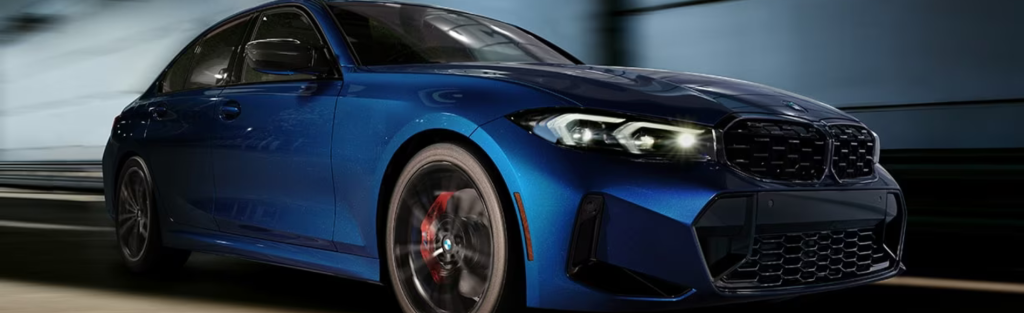
The BMW 3 Series, often considered the cornerstone of the BMW brand, embodies the essence of sporty elegance. This compact luxury sedan has a lineage that traces back to 1975 and has continued to set industry standards for performance, innovation, and style.
Performance and Handling
Under the hood, the 3 Series boasts a range of powerful engine options, from efficient four-cylinders to high-performance six-cylinders, ensuring there’s a variant to suit every driving enthusiast’s taste. Its agile handling and precise steering make it a joy to navigate the winding streets of Burton and Flint.
Cutting-Edge Technology
Step inside the 3 Series, and you’ll find an array of cutting-edge technology features. From the intuitive iDrive infotainment system to the available head-up display, BMW ensures that you stay connected and informed while on the road.
Luxurious Interiors
The interior of the 3 Series exudes luxury, with high-quality materials, meticulously crafted details, and comfortable seating. Whether you’re commuting in Fenton or exploring Beecher, the 3 Series provides a refined driving experience.
The 5 Series: Elegance and Power
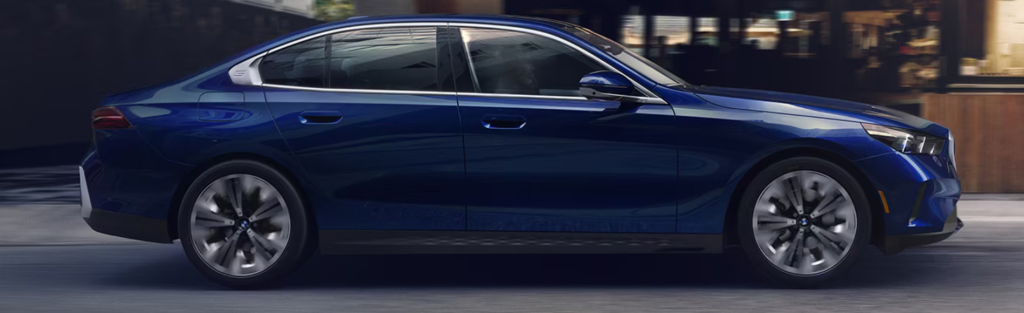
Introduction to the 5 Series
Moving up the BMW hierarchy, we encounter the 5 Series, a midsize luxury sedan that balances elegance with power. Since its debut in 1972, the 5 Series has consistently delivered a blend of comfort, performance, and sophistication.
Engine Options and Performance
The 5 Series offers a range of engine choices, including potent turbocharged options and even a plug-in hybrid variant. Whether you’re cruising through Lapeer or tackling the highways of Waterford, the 5 Series provides a commanding and exhilarating ride.
Innovative Features
BMW equips the 5 Series with innovative features such as the advanced driver assistance systems and the latest in connectivity options. It’s a technological marvel that complements its upscale appeal.
Spacious and Comfortable
Inside, the 5 Series offers a spacious cabin with top-notch materials and a wealth of creature comforts. Long drives in Fenton and Beecher become a pleasure in this luxurious sedan.
The X3: The Perfect Compact SUV
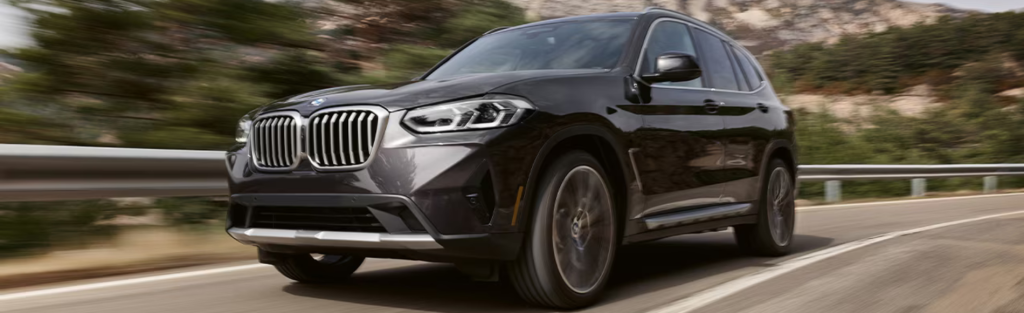
Introduction to the X3
For those who prefer the versatility of an SUV, BMW presents the X3, a compact luxury SUV that combines practicality with BMW’s signature performance.
Dynamic Driving Experience
The X3 is engineered to deliver a dynamic driving experience, with responsive handling and a choice of engines that cater to different driving preferences. Whether you’re in Lapeer or Waterford, the X3 handles city streets and rugged terrain with ease.
Technology for the Modern World
Inside the X3, you’ll discover a modern, tech-laden interior. The iDrive system and available features like a panoramic sunroof make every journey through Auburn Hills and Pontiac a delightful experience.
Versatile Interior
The X3’s spacious and versatile interior allows for ample cargo space, making it perfect for family outings in Howell or Owosso.
The X5: Luxury in an SUV
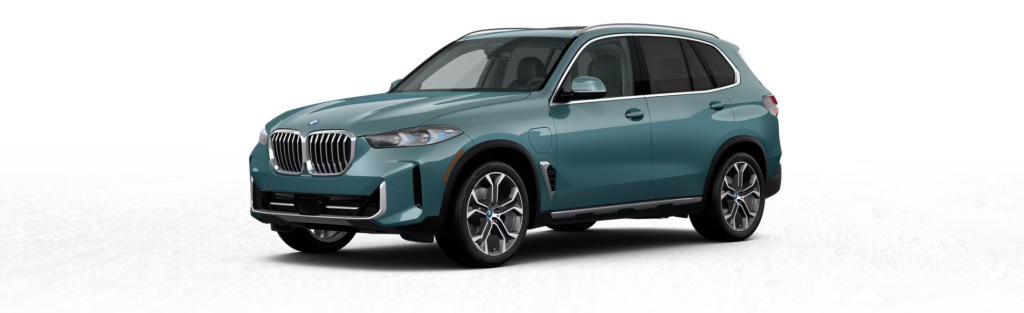
Introduction to the X5
Stepping up the SUV ladder, we encounter the BMW X5, a midsize luxury SUV that combines opulence with practicality.
Robust Engine Choices
The X5 offers a range of robust engine choices, including turbocharged V6 and V8 options, ensuring that it’s not only luxurious but also incredibly powerful. Whether you’re cruising in Auburn Hills or Pontiac, the X5 offers ample power for any adventure.
Advanced Safety Features
BMW equips the X5 with advanced safety features, including adaptive cruise control and lane departure warning, providing peace of mind on every journey.
Opulent Interior Design
Inside, the X5 pampers occupants with sumptuous materials, a user-friendly infotainment system, and spacious seating. It’s a luxurious sanctuary for those exploring Howell and Owosso.
The 7 Series: Ultimate Luxury
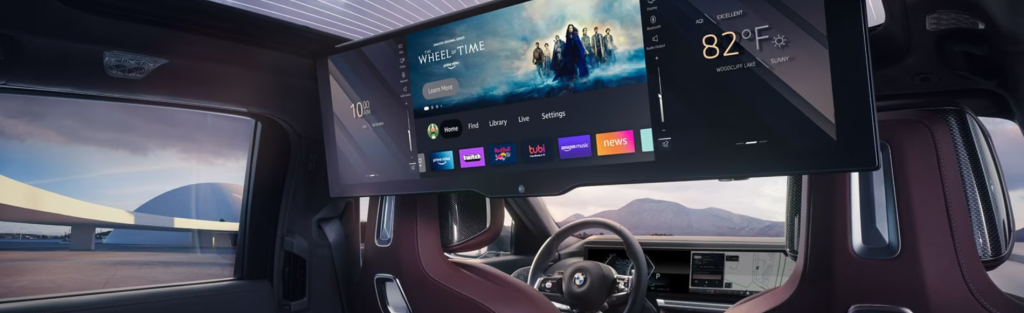
Introduction to the 7 Series
For those seeking the pinnacle of BMW luxury and performance, the 7 Series stands as a testament to automotive excellence.
Unmatched Performance
The 7 Series offers a range of robust engine choices, including a powerful V8 and a plug-in hybrid option. Its dynamic performance ensures that every drive in Wixom or Rochester is an unforgettable experience.
State-of-the-Art Technology
Inside, the 7 Series boasts state-of-the-art technology, including gesture control and massaging seats, providing an unmatched level of comfort and convenience.
Opulent Interiors
The interior of the 7 Series is a masterpiece of craftsmanship, with premium materials and exquisite attention to detail. It’s the epitome of luxury for those exploring Rochester and Rochester Hills.
BMW’s Expansive Lineup
Additional Models Worth Exploring
While we’ve highlighted some of BMW’s standout models, it’s essential to note that BMW offers a wide range of vehicles to cater to various preferences and lifestyles. From the sporty Z4 to the electric i3, there’s a BMW for everyone.
BMW’s Commitment to Innovation
BMW’s commitment to innovation and excellence is unwavering, ensuring that their vehicles remain at the forefront of technology and performance.
A Model for Every Lifestyle
Whether you’re in Burton or Flint, Fenton or Beecher, Lapeer or Waterford, Auburn Hills or Pontiac, Howell or Owosso, or even Wixom, BMW’s lineup offers a model that fits your lifestyle and desires.
Conclusion
In conclusion, BMW’s finest models, including the 3 Series, 5 Series, X3, X5, and 7 Series, exemplify the brand’s dedication to crafting vehicles that merge performance, luxury, and cutting-edge technology. As you explore the cities of Burton, Flint, Fenton, Beecher, Lapeer, Waterford, Auburn Hills, Pontiac, Howell, Owosso, and Wixom, consider experiencing the epitome of driving pleasure by choosing a BMW that resonates with your passion for excellence. Discover the legacy of BMW for yourself, and elevate your journey to a whole new level of sophistication and performance.
Setting the Stage: Unveiling the World of BMW Luxury and Performance In the realm of automotive excellence, the name BMW stands tall, synonymous with a blend of opulent luxury and exhilarating performance. As we embark on this journey to explore BMW’s finest offerings, we delve into a world where engineering precision and aesthetic mastery converge, elevating the driving experience to an art form.
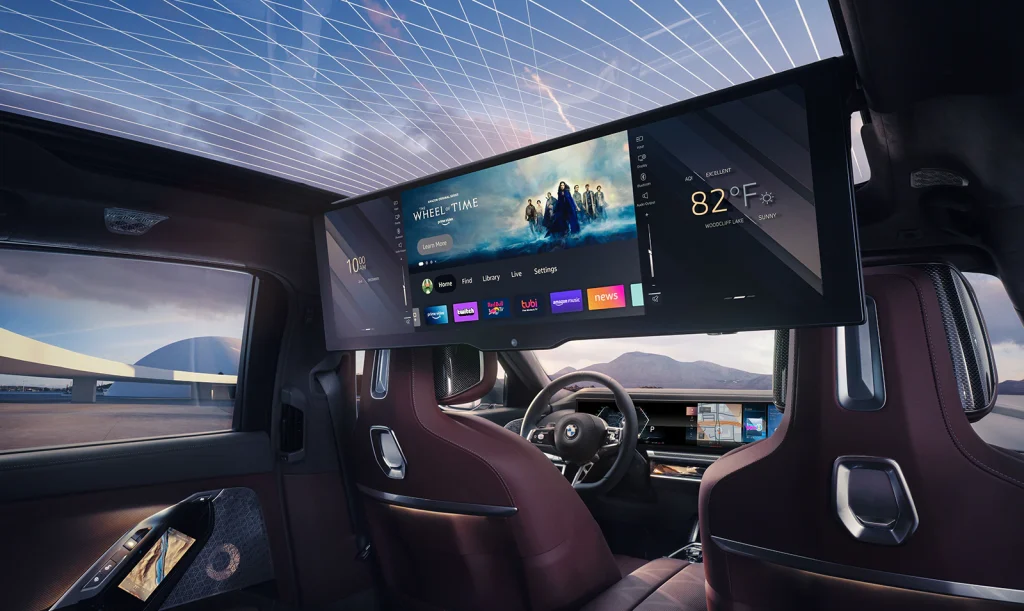
Welcome to Our Grand Blanc Dealership: Your Gateway to BMW Excellence Nestled in the heart of Grand Blanc, our dealership serves as a gateway to a realm of automotive splendor. A haven for BMW enthusiasts and connoisseurs, our showroom is a testament to the marriage of elegance and power that defines every BMW model. Here, you’ll find an array of vehicles that redefine the limits of luxury and performance, inviting you to embark on an unforgettable journey.
The Legacy of BMW: A Blend of Luxury and Performance
A Glimpse into BMW’s Illustrious Heritage: Merging Elegance with Power From its inception, BMW has woven a rich tapestry of automotive history, where the threads of elegance and power entwine seamlessly. This heritage traces back to iconic models that have graced the roads for decades, each a testament to the brand’s commitment to pushing boundaries and redefining driving pleasure.
Engineering Marvels: How BMW Redefined Performance in the Automobile Industry At the heart of BMW’s allure lies a relentless pursuit of performance excellence. With groundbreaking engineering innovations, BMW has redefined the parameters of what a vehicle can achieve on the road. From the harmonious marriage of lightweight materials to the precision-tuned engines, every facet of a BMW vehicle is a nod to the brand’s commitment to performance perfection.
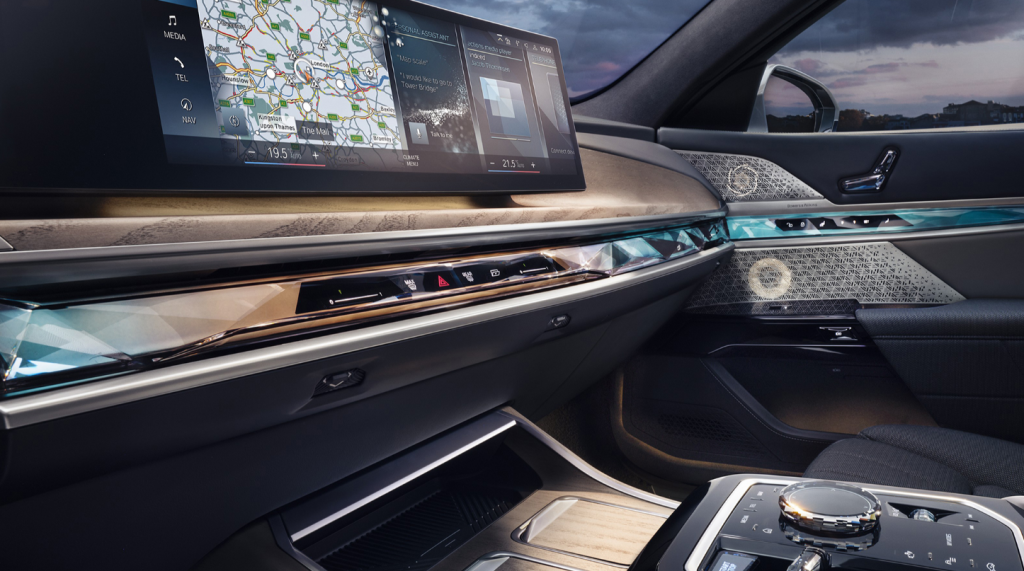
Unraveling Luxury: The Artistry of BMW Interiors
Craftsmanship Beyond Compare: The Opulent Interior Designs of BMW Vehicles Step inside a BMW, and you’re immediately enveloped in an ambiance of unparalleled opulence. The interiors are a canvas of meticulous craftsmanship, where every stitch, surface, and detail is a testament to the brand’s dedication to offering an exquisite sanctuary for drivers and passengers alike.
Sumptuous Comfort and Cutting-Edge Technology: A Dive into BMW’s Interior Innovations Luxury extends beyond aesthetics into the realm of comfort and technology. BMW’s interiors are equipped with cutting-edge features that seamlessly integrate with the driving experience. From intuitive infotainment systems to ergonomic seating arrangements, BMW ensures that every journey is a symphony of comfort and convenience.
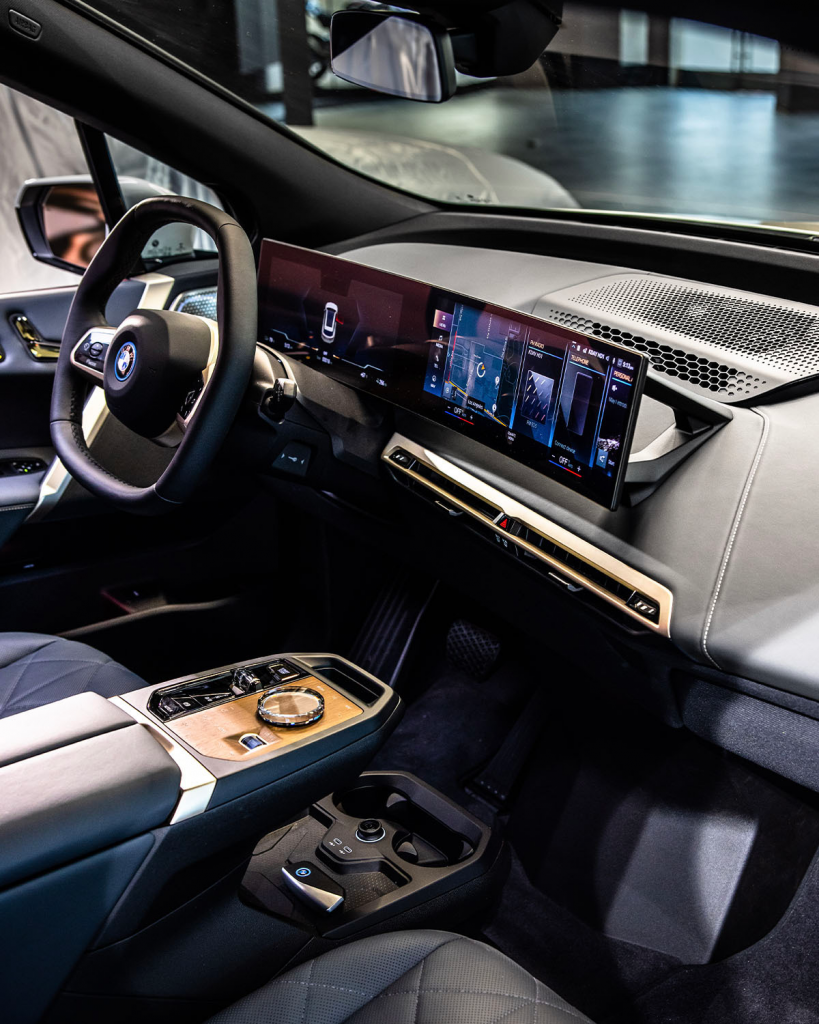
Unleashing Performance: Powerhouses on Wheels
Heart-Pounding Acceleration: Exploring the High-Performance Engines that Drive BMW Beneath the hood of every BMW model lies an engineering marvel—a high-performance engine that’s a testament to the brand’s commitment to delivering unrivaled driving dynamics. The symphony of power and precision that resonates through every rev is a direct result of BMW’s dedication to crafting engines that embody the spirit of driving pleasure.
Precision Handling and Dynamic Control: The Thrill of Navigating BMW’s Performance Cars But performance is not limited to power alone. BMW’s commitment to delivering an unmatched driving experience is evident in its precision handling and dynamic control systems. From tight corners to open highways, BMW vehicles offer an exhilarating dance between driver and machine, where every turn is an opportunity to experience the thrill of true driving mastery.
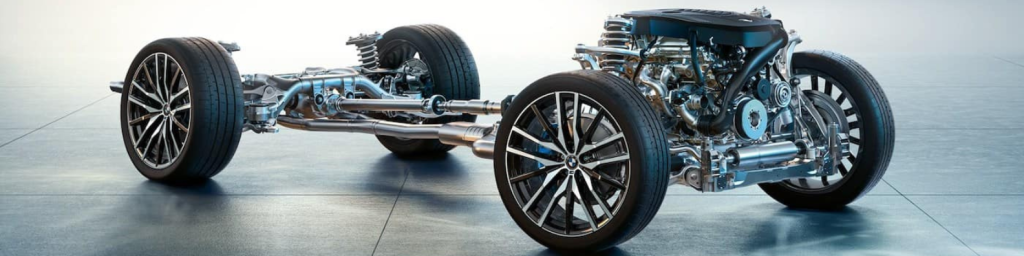
Iconic BMW Models: Where Luxury Meets Performance
The Ultimate Driving Machine: Exploring the BMW 3 Series Among the pantheon of BMW’s exceptional vehicles, the BMW 3 Series stands as an icon—an embodiment of the brand’s philosophy. With a perfect balance between luxury and agility, this series has captured the hearts of drivers worldwide, setting new standards for what it means to drive the ultimate machine.
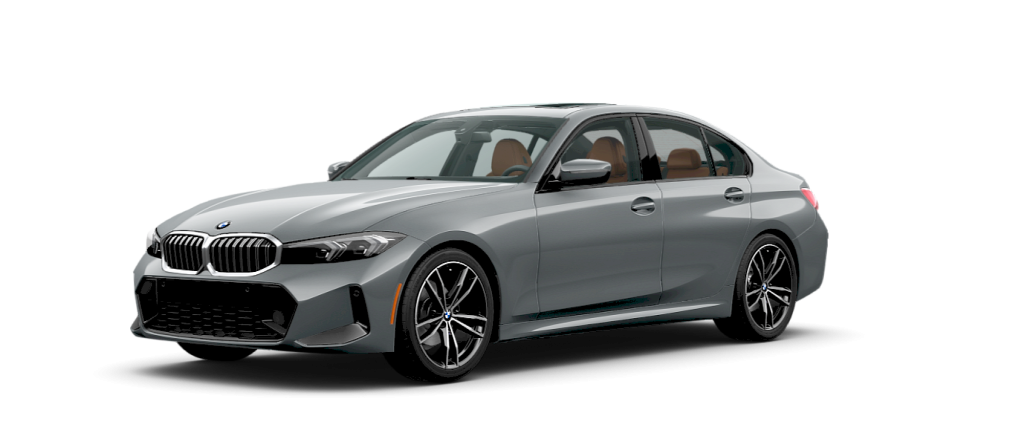
Elevated Luxury and Versatility: The BMW X5 SUV For those who seek the grandeur of a luxury SUV without compromising performance, the BMW X5 Sports Activity Vehicle (SUV) is a revelation. It seamlessly merges opulence and versatility, offering a driving experience that is as commanding on city streets as it is on winding roads.
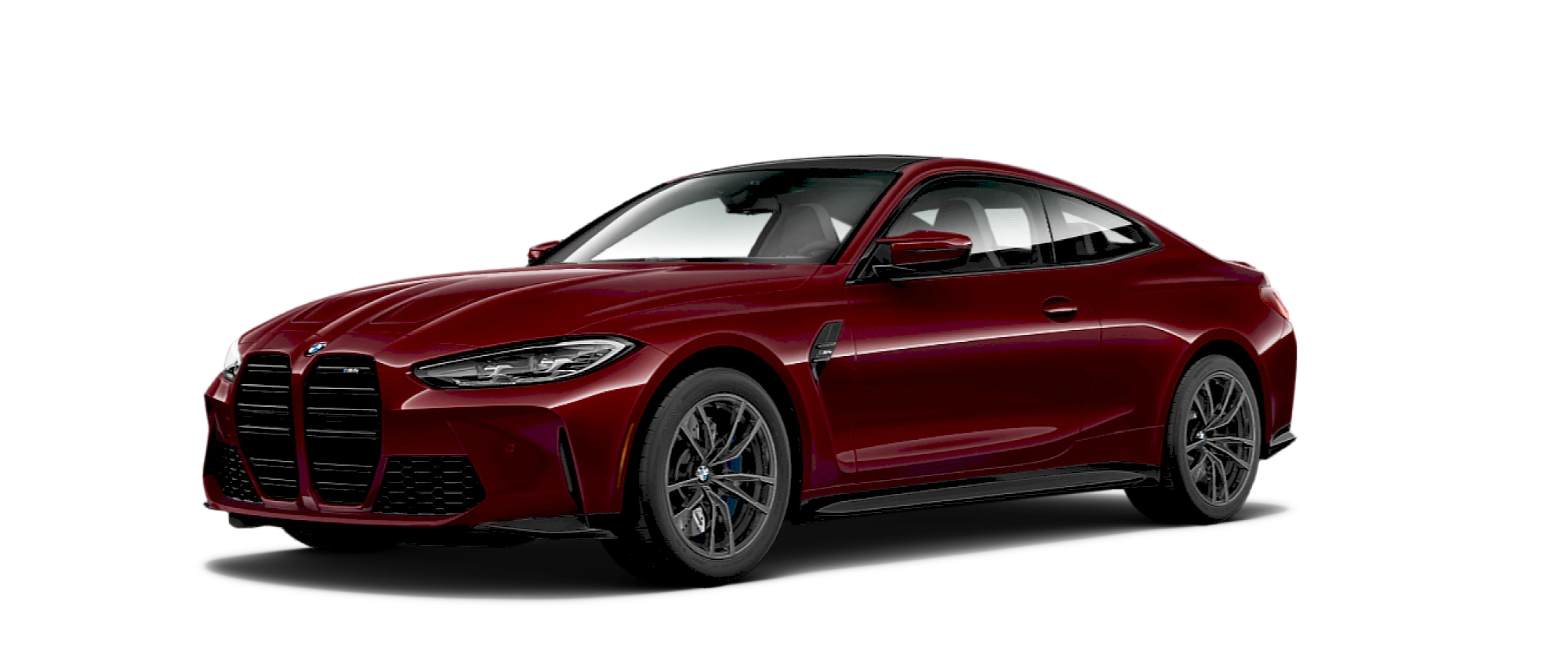
Exhilaration in Every Curve: The BMW M4 Coupe Experience And then there’s the BMW M4 Coupe, a symphony of power and design that’s engineered for pure exhilaration. With aggressive lines and a ferocious engine, the M4 Coupe is a statement of unadulterated performance, designed to thrill those who demand nothing less than the extraordinary.
Innovations Beyond the Road: BMW’s Technological Advancements
Seamless Connectivity: BMW’s Intuitive Infotainment Systems In the modern era, luxury extends beyond plush interiors and exhilarating performance. BMW’s intuitive infotainment systems seamlessly integrate with the driver’s lifestyle, offering connectivity features that keep you informed, entertained, and connected on the go.
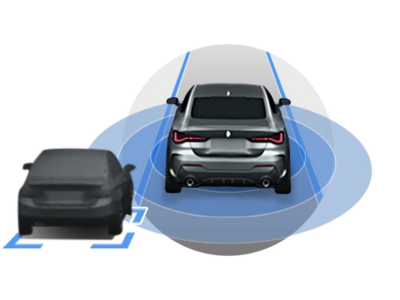
Pioneering Safety: How BMW Prioritizes Driver and Passenger Security Safety is paramount, and BMW takes this commitment seriously. With an array of advanced safety technologies, from collision avoidance systems to adaptive cruise control, BMW ensures that every journey is not only thrilling but also secure for both the driver and passengers.
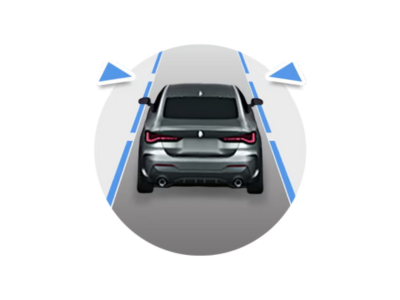
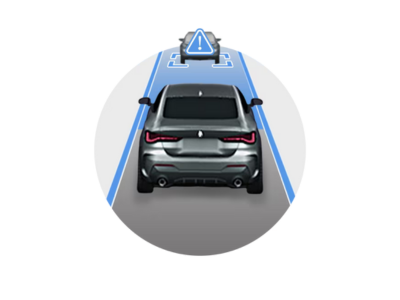
Eco-Friendly Performance: The Emergence of BMW’s Sustainable Driving Solutions As the world shifts towards sustainability, BMW leads the way with its eco-friendly driving solutions. From hybrid powertrains to fully electric models, BMW’s commitment to reducing its carbon footprint without compromising performance is evident in its lineup of forward-thinking vehicles.
Your Journey to BMW Ownership: From Test Drive to Key in Hand
Navigating Our Grand Blanc Dealership: Where Your BMW Adventure Begins Embarking on the journey to BMW ownership starts at our Grand Blanc dealership. Our showroom is more than a space; it’s an experience—an opportunity to immerse yourself in the world of BMW and explore the models that resonate with your desires.
The Test Drive Experience: Getting a Taste of BMW’s Luxury and Performance A test drive is more than just a drive; it’s a taste of the future—a glimpse into the exhilarating experience that awaits. From the driver’s seat, you’ll feel the precision, power, and comfort that define a BMW, solidifying your connection with the brand.
Making It Yours: The Simple Steps to Acquiring Your Dream BMW Once you’ve experienced the magic of a BMW firsthand, the path to ownership is seamless. Our dedicated team will guide you through the process, ensuring that acquiring your dream BMW is as effortless as it is exciting.
Beyond the Drive: The BMW Community and Lifestyle
Embracing an Exclusive Community: The Bond Among BMW Enthusiasts Owning a BMW isn’t just about the car; it’s about joining an exclusive community of enthusiasts who share your passion. From events to clubs, the camaraderie among BMW owners is a testament to the brand’s ability to forge lasting connections.
Elevating Every Moment: How BMW Complements Your Unique Lifestyle A BMW is more than a vehicle; it’s an extension of your identity. Whether you’re navigating city streets or embarking on a cross-country adventure, a BMW elevates every moment, infusing it with luxury, performance, and a sense of individuality.
Maintenance and Beyond: The Ongoing Relationship with Your BMW
Caring for Opulence: BMW Maintenance Tips and Services Your journey with BMW extends far beyond the initial drive. Our dealership offers a range of maintenance tips and services to ensure that your vehicle continues to exude opulence and perform at its peak, year after year.
Upgrade Possibilities: Exploring Performance-enhancing Accessories and Customizations For those who seek to take their BMW experience to the next level, our dealership offers a world of performance-enhancing accessories and customizations. From sporty additions to aesthetic enhancements, these options allow you to tailor your BMW to match your unique preferences.
Conclusion
The Epitome of Driving Pleasure: Embrace the Fusion of Luxury and Performance with BMW In the symphony of automotive excellence, BMW conducts a masterpiece that harmonizes luxury and performance into an unparalleled driving experience. From the heritage of engineering innovation to the embrace of cutting-edge technology, every aspect of a BMW is a testament to the brand’s commitment to offering the epitome of driving pleasure.
Visit Our Grand Blanc Dealership Today: Embark on Your BMW Journey The world of BMW luxury and performance awaits you at our Grand Blanc dealership. Embark on your BMW journey today, and allow us to guide you through a realm of opulence, power, and a driving experience that transcends ordinary boundaries.
When it comes to experiencing the epitome of luxury and performance in the world of automobiles, few names stand as tall as BMW. With a history steeped in excellence and a reputation for pushing the boundaries of innovation, BMW of Grand Blanc emerges as a beacon of automotive refinement. Let’s delve into the facets that make this dealership a haven for driving enthusiasts and connoisseurs alike.
A Legacy of Excellence: Unveiling BMW of Grand Blanc
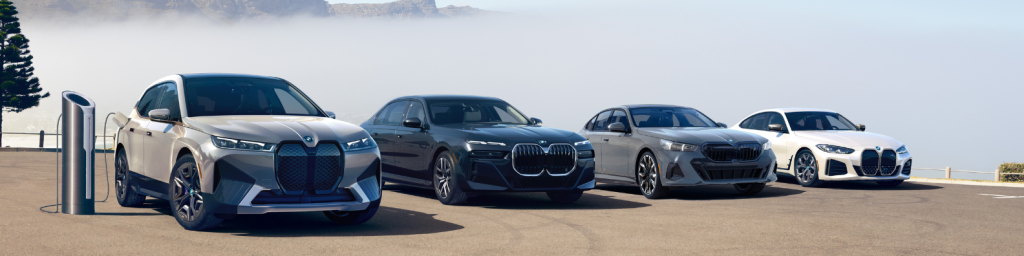
As one of the most renowned luxury car manufacturers, BMW has etched its mark on the automotive landscape for decades. The brand’s journey began with a commitment to crafting precision-engineered vehicles that offered an unparalleled driving experience. Fast forward to the present, and BMW of Grand Blanc proudly carries this legacy forward. Founded with a dedication to delivering the pinnacle of automotive sophistication, the dealership has quickly risen to become a distinguished hub for BMW aficionados in the region.
The BMW Driving Experience: Where Luxury Meets Performance
The allure of the BMW driving experience is a harmonious blend of luxury and performance. Every touchpoint within a BMW vehicle exudes an aura of refinement, from the supple leather seats that cradle occupants to the innovative technologies seamlessly integrated throughout the cabin. The emphasis on luxury, comfort, and innovation is palpable, making each journey a testament to the brand’s commitment to elevating the art of driving. Behind this experience lies BMW’s dedication to performance-driven engineering, a facet that has consistently set the brand apart on the road.
Exploring the BMW Lineup: From Classics to Modern Marvels
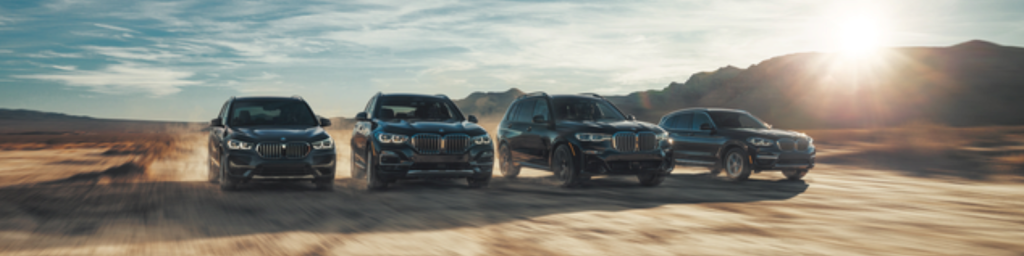
The BMW lineup is a mesmerizing array of automotive masterpieces, spanning from classics that have defined eras to modern marvels that redefine the future. The iconic BMW 3 Series and 5 Series stand as testaments to the brand’s ability to create vehicles that strike a perfect balance between elegance and athleticism. Moreover, BMW’s commitment to sustainability and innovation is manifested in their electric and hybrid vehicles, a glimpse into the brand’s progressive mindset. And for those seeking the prowess of an SUV, the BMW X Series beckons with its commanding presence and performance capabilities.
Your Journey Starts Here: Navigating the BMW Purchasing Process
Stepping into the world of BMW at Grand Blanc dealership initiates a journey guided by knowledgeable and passionate staff. The expertise of these professionals ensures that your preferences and needs are matched to the ideal BMW model, allowing for a seamless and informed decision-making process. Furthermore, the customization options available offer the opportunity to tailor your chosen BMW to your personal taste, creating a vehicle that reflects your unique style. For those who seek assurance in their purchase, BMW-certified pre-owned vehicles provide a mark of quality and reliability.
Beyond Driving: Experiencing BMW’s Cutting-Edge Technology

Central to the BMW experience is the intuitive iDrive system, a technological marvel that seamlessly integrates various functions within the vehicle. This innovative interface not only simplifies control but also enhances connectivity, ensuring that every drive is accompanied by a suite of digital conveniences. Moreover, BMW’s commitment to safety is exemplified through its driver assistance technologies, paving the way for a safer and more confident journey.
Elevating Luxury: The Art of BMW Interior Design
Step into a BMW, and you’re greeted by an interior that’s more than just a cabin—it’s a sanctuary of craftsmanship and sophistication. Impeccable attention to detail is evident in every stitch, every surface, and every material used. The marriage of technology and aesthetics is seamlessly achieved, with state-of-the-art features coexisting harmoniously with opulent comfort. Whether it’s the ergonomic excellence or the artful infusion of technology, the interior design of a BMW is a testament to the brand’s commitment to elevating luxury.
Service Redefined: BMW of Grand Blanc’s Commitment to Excellence

Owning a BMW extends far beyond the initial purchase, and BMW of Grand Blanc understands this sentiment deeply. Their commitment to excellence shines through in their comprehensive maintenance and repair services. The use of genuine BMW parts and accessories ensures that every aspect of your vehicle is upheld to the highest standards. What truly sets them apart is their customer-centric approach, where each visit is an opportunity to exceed expectations and make your experience truly exceptional.
Driving Performance: Unleashing the Power Under the Hood
At the heart of every BMW lies a high-performance engine that’s engineered to deliver exhilarating drives. This power is the result of precision engineering, where every component is optimized to extract the utmost performance while maintaining efficiency. The dynamic capabilities of a BMW are not just about speed; they’re about the symphony of engineering elements that work in harmony to provide a truly thrilling driving experience.
Joining the BMW Community: Events, Clubs, and Beyond
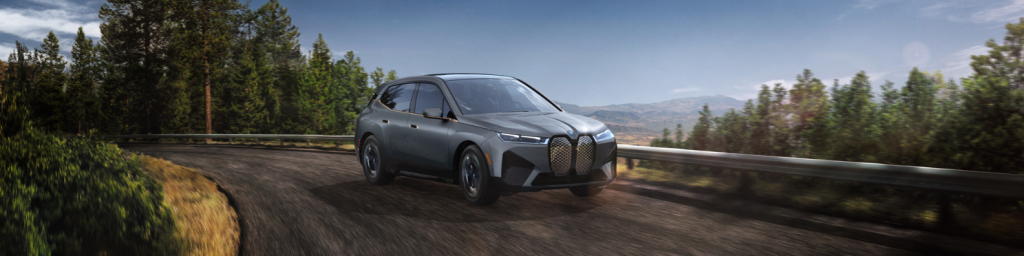
Owning a BMW is not just about the car—it’s about joining a community of like-minded enthusiasts. Engaging with fellow BMW owners provides a platform for shared experiences, insights, and a mutual passion for the brand. BMW-sponsored events and gatherings further amplify this sense of belonging, offering opportunities to connect, celebrate, and deepen your connection with the BMW family.
The Road Ahead: Innovations on the Horizon
BMW’s commitment to innovation goes beyond the present day. The brand’s vision for the future of driving is one that embraces sustainability and electrification, paving the way for a more eco-conscious automotive landscape. Teasers of upcoming models and breakthrough technologies hint at an exciting journey ahead, where BMW continues to push boundaries and redefine what’s possible on the road.
Your BMW Journey Awaits
In the world of automotive excellence, BMW of Grand Blanc stands as a haven for those who seek the ultimate driving experience. With a legacy built on excellence, a commitment to luxury and performance, and a vision for the future that’s as exciting as it is innovative, your journey into the realm of BMW begins here—a journey that promises unmatched luxury, exhilarating performance, and a sense of belonging to a community that shares your passion for driving excellence.

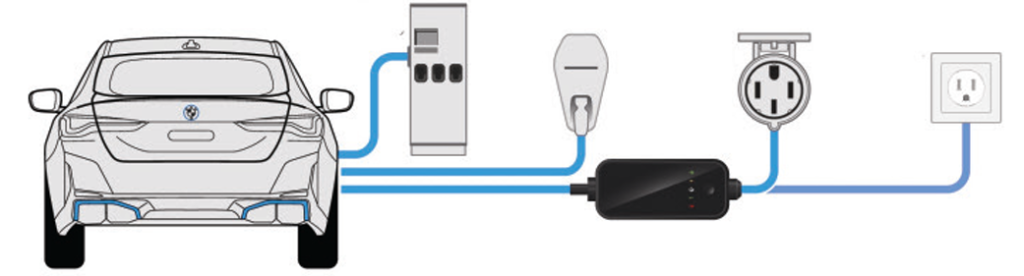
When it comes to charging electric vehicles (EVs), two primary options are available: alternating current (AC) charging and direct current (DC) charging. BMW, a leading manufacturer of electric vehicles, supports both AC and DC charging technologies. Understanding the differences between AC and DC charging is essential for BMW owners and enthusiasts. In this article, we will delve into the details of AC and DC charging for BMW vehicles, including how they work, their advantages, and what factors to consider when choosing between them.
Understanding AC Charging
AC charging refers to the process of charging an electric vehicle using alternating current. Let’s explore the key aspects of AC charging:
What is AC Charging?
AC charging involves converting AC electricity from the grid into the direct current (DC) required to charge the vehicle’s battery. It is the standard charging method used in homes, workplaces, and public charging stations.
How does AC Charging work?
During AC charging, an onboard charger in the vehicle converts the incoming AC electricity into DC power suitable for the battery. This process takes place within the vehicle and controls the charging rate.
Advantages of AC Charging
AC charging offers several advantages:
Accessibility: AC charging stations are more prevalent and widely available.
Cost-effectiveness: AC charging infrastructure is generally less expensive to install.
Compatibility: Most electric vehicles, including BMW models, can be charged using AC power.
Understanding DC Charging
DC charging, on the other hand, involves charging an electric vehicle directly with DC power. Let’s explore the key aspects of DC charging:
What is DC Charging?
DC charging bypasses the vehicle’s onboard charger and supplies direct current power to the battery. It is commonly used in public fast-charging stations.
How does DC Charging work?
In DC charging, the charging station converts the AC electricity from the grid into DC power outside the vehicle. This DC power is then directly supplied to the vehicle’s battery, allowing for faster charging rates.
Advantages of DC Charging
DC charging offers several advantages:
Rapid Charging: DC charging enables faster charging times compared to AC charging, especially in fast-charging stations.
Convenience: Public DC fast-charging stations provide quick top-ups during long trips.
Future-proofing: As electric vehicle technology advances, DC charging infrastructure is expected to become more prevalent.
AC vs. DC Charging for BMW
Now that we have a good understanding of AC and DC charging, let’s explore the specific considerations for BMW electric vehicles:
Differences in Charging Time

One significant difference between AC and DC charging is the charging time. DC charging, particularly in fast-charging stations, allows for considerably shorter charging times compared to AC charging. This is beneficial for BMW owners who need quick top-ups during their journeys.
Charging Infrastructure
When it comes to charging infrastructure, AC charging stations are more widely available, including residential charging solutions. However, DC fast-charging stations are rapidly expanding, making long-distance travel more convenient for BMW electric vehicle owners.
Cost Considerations
AC charging infrastructure is generally less expensive to install compared to DC fast-charging stations. However, it’s essential to consider your specific charging needs, travel patterns, and the availability of charging options in your area to make an informed decision about the most cost-effective charging solution for your BMW.
Compatibility with BMW Electric Vehicles
All BMW electric vehicles are compatible with AC charging. However, not all models support DC fast charging. It is important to check the specifications of your specific BMW model to determine its compatibility with DC charging and the charging rates it can handle.
Conclusion
In conclusion, AC and DC charging are two primary charging methods for BMW electric vehicles. AC charging is widely accessible, cost-effective, and compatible with most BMW models. On the other hand, DC charging offers rapid charging and is particularly useful for long-distance travel or quick top-ups during a journey. Understanding the differences and considering factors such as charging time, infrastructure, cost, and compatibility will help BMW owners make informed decisions about their charging needs.
FAQs
Is AC charging slower than DC charging?
AC charging is generally slower than DC charging. DC fast-charging stations offer considerably shorter charging times, especially during long-distance travel.
Can I use AC charging stations for my BMW?
Yes, all BMW electric vehicles are compatible with AC charging. You can use residential, workplace, and public AC charging stations for your BMW.
Are BMW electric vehicles compatible with DC fast charging?
While all BMW electric vehicles support AC charging, not all models support DC fast charging. Check the specifications of your specific BMW model to determine its compatibility.
Is DC charging more expensive than AC charging?
DC charging infrastructure, particularly fast-charging stations, can be more expensive to install compared to AC charging solutions. However, the cost may vary based on location and availability.
Can I switch between AC and DC charging for my BMW?
BMW electric vehicles are designed to support both AC and DC charging. You can switch between AC and DC charging methods based on your charging needs and the availability of charging stations.
Discover BMW Grand Blanc: Luxury Cars & Services
Are you ready to dive into the world of luxury cars and exceptional services? BMW Grand Blanc is the destination for automotive enthusiasts seeking unrivaled excellence. With a wide range of exquisite vehicles and a commitment to customer satisfaction, we take pride in offering an unparalleled experience. In this blog post, we will explore the captivating world of BMW Grand Blanc, highlighting their outstanding cars, top-notch services, and the reasons why they stand out from the competition.
Introduction
BMW Grand Blanc is a renowned dealership specializing in luxury cars and services. Located in the heart of Grand Blanc, they have built a stellar reputation for providing top-of-the-line vehicles and exceptional customer experiences. Whether you’re in the market for a sporty convertible, a spacious SUV, or a sleek sedan, BMW Grand Blanc offers an extensive selection to suit every discerning taste.
The Ultimate Driving Machines
BMW is synonymous with engineering excellence, and BMW Grand Blanc proudly upholds this legacy. They offer an impressive lineup of the latest BMW models, known as “The Ultimate Driving Machines.” From the iconic BMW 3 Series and 5 Series to the powerful X5 and X7 SUVs, each vehicle is meticulously crafted to deliver unparalleled performance, luxury, and comfort. Whether you crave exhilarating speed or sophisticated elegance, BMW Grand Blanc has the perfect car to fulfill your desires.
Unmatched Services
At BMW Grand Blanc, it’s not just about the cars; it’s about the complete customer experience. Their dedicated team of knowledgeable professionals goes above and beyond to provide personalized attention and ensure customer satisfaction. From the moment you step into their showroom to long after your purchase, BMW Grand Blanc offers a range of exceptional services, including:
- Financing Options: Their finance experts work closely with you to create tailored financing plans that suit your budget and lifestyle.
- Maintenance and Repairs: BMW Grand Blanc’s state-of-the-art service center is staffed by highly trained technicians who utilize advanced diagnostic tools and genuine BMW parts to keep your vehicle running at peak performance.
- Test Drives: Experience the thrill of driving a BMW firsthand by scheduling a test drive with their friendly staff. They will guide you through the features and performance capabilities of your desired model.
Frequently Asked Questions (FAQs)
Q: How do I schedule a test drive at BMW Grand Blanc?
A: Scheduling a test drive at BMW Grand Blanc is easy. Simply visit their website or call their showroom to book an appointment. Their knowledgeable staff will be happy to assist you and provide all the necessary details.
Q: Does BMW Grand Blanc offer financing options?
A: Yes, BMW Grand Blanc offers a range of financing options tailored to your needs. Their finance experts will work with you to find the best solution that fits your budget.
Conclusion
BMW Grand Blanc is your gateway to the world of luxury cars and extraordinary services. With their extensive selection of top-notch BMW models and a commitment to providing an unparalleled customer experience,
BMW Lifestyles: Father’s Day Gift Ideas
Father’s Day is a special occasion to honor the remarkable fathers in our lives, and what better way to celebrate than with BMW Lifestyles? BMW offers a wide range of products that make perfect gifts for dads who appreciate luxury, style, and performance. From sleek apparel and accessories to functional travel gear and tech gadgets, BMW products embody the essence of sophistication and craftsmanship. Whether your dad is a car enthusiast, a fashion-forward gentleman, or an adventure seeker, there is something within the BMW Lifestyles collection that will truly make his Father’s Day unforgettable.
When it comes to selecting a gift for your dad, BMW products stand out as exceptional choices. These gifts not only showcase the iconic BMW brand but also exude quality and elegance in every detail. From finely tailored clothing to exquisite timepieces, BMW products reflect the same level of precision and excellence found in their renowned automobiles. Moreover, BMW’s commitment to innovation and cutting-edge technology is evident in their range of tech gadgets and smart accessories, ensuring that your dad stays connected and stylish in the modern world. With BMW, you can be confident that you are giving your dad a gift that perfectly matches his discerning taste and love for all things luxurious. So, let’s dive into the exciting world of BMW Lifestyles and discover the ideal Father’s Day gift for the extraordinary dad in your life.
BMW Apparel and Accessories
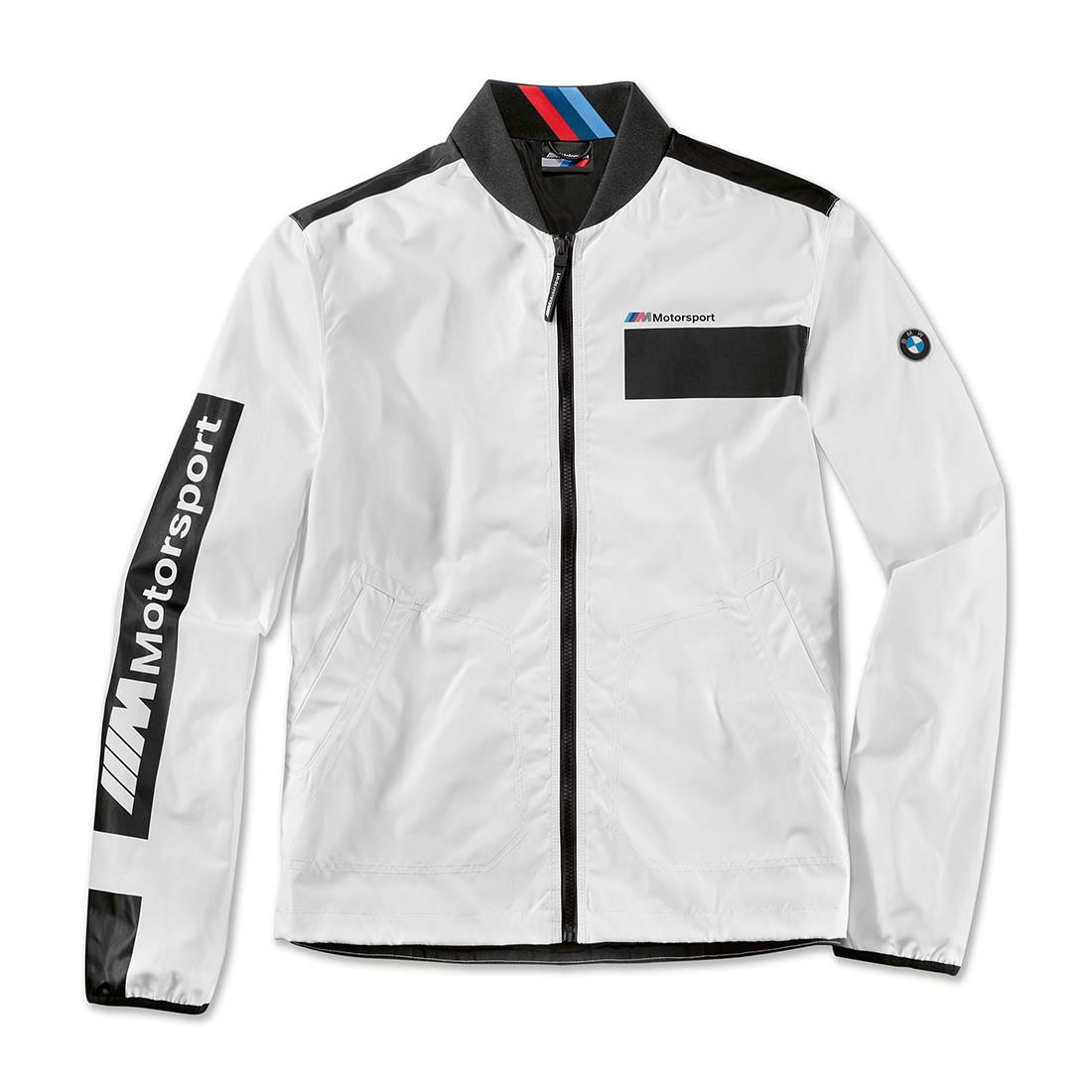
Gear up for Father’s Day with BMW’s extraordinary apparel and accessories collection! Let your dad indulge in the world of style, sophistication, and the unmistakable BMW brand. From dashing t-shirts that scream automotive passion to sleek jackets that exude elegance, BMW has got it all to make your dad the most fashionable gearhead around. And it doesn’t stop there! Complete his ensemble with trendy accessories like BMW watches that add a touch of luxury to his wrist or leather wallets and belts that elevate his everyday style. With BMW apparel and accessories, your dad can rock the road and the runway with equal flair. So, this Father’s Day, surprise him with the perfect blend of automotive passion and fashion-forward finesse from BMW’s apparel and accessories collection. Get ready to witness your dad’s style go from zero to sixty in seconds!




BMW Bags and Luggage
Rev up your dad’s travel game this Father’s Day with BMW’s exceptional bags and luggage collection! Whether he’s a frequent flyer or a weekend road trip enthusiast, BMW has the perfect travel companions to accompany him on his adventures. From sleek laptop bags and briefcases to spacious duffel bags and travel organizers, BMW’s bags are designed to combine functionality with high-end style. But wait, there’s more! Treat your dad to a set of BMW luggage that will make him the envy of fellow travelers. With durable construction and cleverly designed compartments, these suitcases will keep his belongings safe and organized throughout his journeys. From business trips to family vacations, BMW bags and luggage ensure that your dad travels in style, making a bold statement wherever he goes. So, this Father’s Day, let your dad hit the road with the perfect blend of luxury and practicality from BMW’s bags and luggage collection. Get ready to witness his travels take off to new heights of sophistication!


BMW Golf Collection
Tee up a hole-in-one Father’s Day surprise with BMW’s impressive Golf Collection! If your dad is a golf enthusiast, he’ll be thrilled to discover the perfect blend of luxury and performance in BMW’s golf gear. Picture him striding onto the green with confidence, donning a stylish BMW golf bag that showcases his love for both the sport and the brand. And let’s not forget about the apparel and accessories! Dress your dad in BMW’s golf-inspired clothing that combines comfort and elegance, allowing him to swing with style. Complete his golf ensemble with BMW golf balls and tees featuring the iconic logo, ensuring that every shot is played with a touch of BMW flair. With BMW’s Golf Collection, your dad will not only elevate his game but also make a fashion statement on the fairway. So, this Father’s Day, surprise him with the ultimate golfing experience courtesy of BMW. Watch him take his love for the game to new heights with the perfect fusion of performance and sophistication!


BMW Watches
This Father’s Day, give your dad the gift of timeless elegance with BMW watches! Designed with precision engineering and exquisite craftsmanship, BMW watches are the epitome of luxury and sophistication. Imagine the look of delight on your dad’s face as he unwraps a beautifully crafted timepiece, showcasing the iconic BMW logo on his wrist. From automatic watches that embody classic charm to sleek chronograph watches that exude a sporty allure, BMW offers a diverse range of styles to match your dad’s unique taste. Each watch is a true reflection of the brand’s commitment to excellence, ensuring that your dad not only keeps track of time but also makes a bold fashion statement. Whether he’s dressed up for a special occasion or simply enjoying a casual day out, a BMW watch is the perfect accessory to elevate his style and showcase his impeccable taste. This Father’s Day, let your dad stand out from the crowd with a BMW watch that combines exceptional craftsmanship with timeless allure. Get ready to make his day unforgettable with a gift that will be cherished for years to come!


As Father’s Day approaches, it’s time to show your dad how much he means to you with the perfect gift from BMW. Whether he’s a car enthusiast, a fashion-forward gentleman, or an adventure seeker, BMW offers a wide range of products that are sure to impress. From stylish apparel and accessories to functional bags and luggage, BMW’s collection embodies the essence of luxury, performance, and craftsmanship. Explore the world of BMW Lifestyles and discover the ideal gift that matches your dad’s unique personality and passions. With BMW, you can celebrate Father’s Day in style, giving your dad a gift that not only reflects his exceptional taste but also showcases your love and appreciation. So, don’t wait any longer—explore the incredible offerings from BMW and make this Father’s Day a truly memorable one. Show your dad how much he means to you with a gift that exceeds all expectations.
Disclaimer: Please note that all prices mentioned in this blog post were accurate as of May 31, 2023. However, prices are subject to change without prior notice. It is always recommended to visit the official BMW website or contact authorized BMW dealerships for the most up-to-date pricing information. Prices may vary based on location, specific product configurations, and any ongoing promotions or discounts. We strive to provide accurate and timely information, but we cannot guarantee the availability or accuracy of the prices mentioned in this blog post. We encourage readers to verify the current prices and availability before making any purchase decisions.
Connect with us


- July 2026
- June 2026
- April 2026
- March 2026
- February 2026
- January 2026
- July 2024
- June 2024
- December 2023
- November 2023
- October 2023
- September 2023
- August 2023
- June 2023
- May 2023
- March 2023
- February 2023
- January 2023
- October 2022
- September 2022
- June 2022
- April 2022
- March 2022
- January 2022
- December 2021
- November 2021
Archives
- 5 Series
- 7 Series
- Accessories
- Apparel
- Appointment Booking
- AR in Navigation
- Artificial Intelligence in Automotive
- Auburn Hills
- Automotive Industry Trends
- Automotive Technology
- Automotive Technology
- Automotive Trends
- Bags and Luggage
- Beecher
- BMW 3 Series
- BMW Buying Guide
- BMW Certified
- BMW Certified Pre-Owne
- BMW Cities
- BMW Community
- BMW Comparisons
- BMW Electric Vehicles
- BMW Hybrid Vehicles
- BMW i Series
- BMW Lifestyles
- BMW M Models
- BMW M4 Coupe
- BMW Models
- BMW of Grand Blanc Blogs
- BMW of Grand Blanc CPO
- BMW of Grand Blanc General Information
- BMW of Grand Blanc Lifestyle
- BMW of Grand Blanc New
- BMW of Grand Blanc Parts
- BMW of Grand Blanc Pre-owned
- BMW of Grand Blanc Sales
- BMW Of Grand Blanc Service
- BMW of Grand Blanc Service & parts
- BMW Ownership
- BMW Performance
- BMW Performance
- BMW Powertrain
- BMW Safety Features
- BMW Technology
- BMW Technology
- BMW Tires
- BMW X5 SUV
- BMW X7
- BMW z4
- Burton
- Company History
- Customer Loyalty
- Dealer Spotlight
- Driving Experience
- Driving Experiences
- Driving Safety
- Environmental Responsibility
- Event Announcements
- Event Experience
- Exclusive Invitations
- Fenton
- Financing Options
- Flint
- Future Tech Trends
- Gift Ideas
- Golf
- Green Living
- Holiday Gifts
- Innovation and Future
- Innovation Showcase
- Interior Design
- Lapeer
- Luxury Cars
- Luxury Cars:
- Luxury Lifestyle
- Luxury Vehicles
- Owner Experience
- Performance Engineering
- Pontiac
- Purchase Process
- Service and Maintenance
- Special Offers
- Sustainable Mobility
- Tech Talk
- Technology and Luxury Lifestyle
- Travel and Adventure
- Uncategorized
- Vehicle Models
- Waterford
- X3 SUV
- X5 SUV