


After a full Michigan winter, your BMW has likely experienced cold starts, road salt exposure, potholes, and fluctuating temperatures. As spring arrives in Grand Blanc and across Genesee County, professional service becomes especially important.
Choosing a local BMW service center ensures your vehicle receives attention tailored to regional driving conditions.
Michigan Winter Wear Is Different
Road salt can affect undercarriage components. Potholes may impact suspension and alignment. Cold temperatures can strain batteries and braking systems. These regional factors make post-winter inspections particularly valuable for BMW owners in Flint and surrounding communities.
BMW Specific Diagnostics and Tools
Modern BMW vehicles rely on advanced electronic systems and integrated software. Local authorized service centers use BMW compatible diagnostic equipment and follow manufacturer recommended procedures.
This precision helps maintain performance, safety, and long term reliability.
Learn About BMW Service in Grand Blanc
Convenience and Ongoing Support
Working with a local BMW dealership means easier appointment scheduling, familiarity with your vehicle history, and continued ownership support. Establishing a service relationship also simplifies future maintenance planning.
Protecting Long Term Value
Documented service history can support resale value and provide confidence for future buyers. Regular inspections following winter driving help identify concerns early before they become larger repairs.
Serving Grand Blanc, Flint, and Genesee County
BMW of Grand Blanc provides professional service for drivers throughout the region. Local expertise combined with BMW specific training supports performance through every season.
Schedule Post-Winter BMW Service
If your BMW experienced a full Michigan winter, now is the time for inspection and maintenance. Contact BMW of Grand Blanc to keep your vehicle performing at its best.
What Does BMW xDrive Mean?
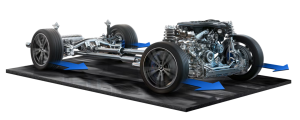
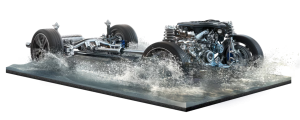
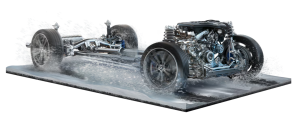
BMW xDrive is BMW’s intelligent all wheel drive system designed to improve traction, stability, and performance in changing driving conditions. The system automatically distributes power between the front and rear wheels to help maintain control on dry roads, wet pavement, and snow covered highways.
Drivers throughout Grand Blanc, Flint, and across Mid Michigan often see the xDrive badge on many BMW models, especially luxury SUVs and performance sedans. Understanding what BMW xDrive means helps explain why many BMW vehicles perform so confidently in Michigan’s changing weather conditions.
What Does BMW xDrive Stand For?
The term xDrive refers to BMW’s proprietary intelligent all wheel drive technology. While it is not an acronym in the traditional sense, the name represents BMW’s advanced approach to distributing engine power between all four wheels.
Unlike traditional mechanical all wheel drive systems, BMW xDrive constantly monitors driving conditions and adjusts power distribution in real time. This allows the vehicle to maintain grip and control while preserving the precise handling that BMW vehicles are known for.
The system works with several other BMW technologies including:
- Dynamic Stability Control
- BMW traction control systems
- BMW Driving Assistance technologies
- BMW braking and suspension systems
By coordinating these systems, BMW xDrive helps improve driver confidence on a wide range of road surfaces.
What Is the Meaning of BMW xDrive?
The meaning of BMW xDrive goes beyond simple all wheel drive capability. BMW engineers designed the system to support both traction and driving dynamics.
Many traditional all wheel drive systems focus only on stability. BMW xDrive is engineered to maintain the brand’s signature balance between performance and control.
Key characteristics of BMW xDrive include:
- Variable front and rear torque distribution
- Fast electronic response to road conditions
- Integration with BMW stability and traction systems
- Improved performance during cornering
When additional traction is required, the system can send more power to the wheels with the most grip. When roads are dry and stable, the vehicle can maintain a rear wheel drive feel that supports BMW’s performance focused driving experience.
The History Behind BMW xDrive
BMW introduced the xDrive system in the early 2000s as an evolution of the company’s earlier all wheel drive technologies. BMW engineers wanted to create a system that delivered better traction while preserving the balanced driving dynamics that define the brand.
The first modern BMW vehicles equipped with xDrive appeared in luxury sedans and sport utility vehicles. Over time, the technology expanded across a wide range of models including performance oriented sedans and luxury SUVs.
Today, BMW xDrive continues to evolve alongside new technologies such as advanced driving assistance systems and electrified powertrains.
The system has become especially popular in regions like Michigan where winter weather, snow, and wet road conditions make intelligent traction systems particularly valuable.
How BMW Uses xDrive Today
Modern BMW vehicles integrate xDrive with a range of advanced technologies designed to enhance both safety and performance.
These systems include:
- BMW Dynamic Stability Control
- BMW Driving Assistance Professional
- BMW Adaptive Suspension systems
- BMW Intelligent Personal Assistant
When sensors detect wheel slip, steering input changes, or road surface variation, the xDrive system adjusts torque distribution almost instantly.
This allows BMW vehicles to maintain predictable handling and stability across many different driving environments.
For drivers in Grand Blanc and Genesee County, this capability can be especially helpful during:
- Michigan winter driving conditions
- Rain soaked highways
- Uneven rural roads
- Highway acceleration and merging
BMW Models That Use xDrive
Many BMW vehicles are available with the xDrive all wheel drive system. These models combine BMW engineering with enhanced traction capabilities.
Popular BMW models equipped with xDrive include:
- BMW X1 luxury compact SUV
- BMW X3 luxury performance SUV
- BMW X5 midsize luxury SUV
- BMW X7 full size luxury SUV
- BMW 3 Series luxury sports sedan
- BMW 5 Series executive sedan
- BMW i4 electric performance sedan
- BMW iX electric luxury SUV
Many of these vehicles are available with advanced interior technology such as the BMW Curved Display and the BMW iDrive infotainment system.
Drivers interested in exploring these vehicles can browse the new BMW inventory at BMW of Grand Blanc.
Is BMW xDrive Good for Michigan Driving?
For many drivers in Grand Blanc, Flint, and surrounding communities, BMW xDrive provides additional confidence during Michigan’s changing seasons.
While proper tires and careful driving are always important, an intelligent all wheel drive system can help improve traction during rain, snow, and icy road conditions.
Many drivers choose BMW xDrive models because they combine:
- Performance oriented handling
- Enhanced traction on slippery roads
- Luxury interior comfort
- Advanced driver technology
This balance between performance and stability is one of the reasons BMW vehicles remain popular among luxury vehicle drivers throughout Mid Michigan.
Common Questions About BMW xDrive
What does BMW xDrive mean?
BMW xDrive is the brand’s intelligent all wheel drive system that automatically distributes power between the front and rear wheels to improve traction and control.
What does xDrive stand for?
xDrive is BMW’s name for its advanced all wheel drive technology. It represents BMW’s approach to combining traction, stability, and performance in one system.
Is BMW xDrive the same as AWD?
BMW xDrive is a form of all wheel drive, but it uses advanced sensors and electronics to actively manage torque distribution between the wheels.
Which BMW vehicles have xDrive?
Many BMW SUVs and sedans offer xDrive, including the BMW X3, X5, X7, 3 Series, and 5 Series.
Is BMW xDrive good for snow?
BMW xDrive can help improve traction in snowy conditions when paired with appropriate winter or all season tires.
Explore BMW Vehicles at BMW of Grand Blanc
Drivers interested in experiencing BMW xDrive technology can explore a wide selection of BMW vehicles at BMW of Grand Blanc.
The dealership serves drivers from Grand Blanc, Flint, Fenton, Davison, Burton, Linden, and surrounding communities across Genesee County.
Browse available vehicles online or visit the dealership to learn more about BMW performance technology.
As spring arrives in Grand Blanc and across Genesee County, many BMW owners begin thinking about upgrading to a newer model. Seasonal shifts, inventory updates, and personal driving needs often prompt the question: is now a good time to trade in your BMW?
Understanding market demand, vehicle condition, and timing can help you make a confident decision.
Spring Market Activity in Michigan
Spring is traditionally an active buying season. As drivers prepare for warmer weather and travel, interest in luxury vehicles often increases. This can create favorable conditions for trade-in evaluations.
How Vehicle Condition Impacts Trade-In Value
Maintenance history, mileage, exterior condition, and overall care influence appraisal value. Addressing minor service needs before evaluation may help support a stronger presentation.
When Upgrading Makes Sense
Drivers may consider trading in when newer technology, safety systems, or performance enhancements align with their current lifestyle. Spring can be a practical time to evaluate these options while inventory selection is refreshed.
Trade-In and Financing Considerations
Applying trade-in value toward a new purchase or lease may reduce monthly payments or overall financing balance. Understanding equity and loan status is an important part of the process.
Working with a Local BMW Dealership
BMW of Grand Blanc serves drivers throughout Flint and Genesee County with professional trade-in evaluations and transparent guidance. Local knowledge of demand trends supports informed decisions.
Request a BMW Trade-In Evaluation
If you are considering upgrading this spring, contact BMW of Grand Blanc to review your trade-in options and explore available models.
Leasing vs Financing a BMW in Michigan This Spring
As spring arrives in Grand Blanc and across Genesee County, many drivers begin exploring new vehicle options. One of the most common questions is whether leasing or financing makes more sense for a BMW in Michigan.
Both options offer advantages depending on your driving habits, long term goals, and budget preferences.
What Does Leasing a BMW Mean?
Leasing allows you to drive a new BMW for a defined term with structured monthly payments. At the end of the lease, you may choose to return the vehicle, lease another model, or explore purchase options depending on program terms.
Leasing may appeal to drivers who prefer lower monthly payments or who enjoy upgrading to newer models more frequently.
What Does Financing a BMW Mean?
Financing involves purchasing the vehicle through a loan. Monthly payments are based on loan terms, interest rate, and down payment structure. Once the loan is paid off, the vehicle is fully owned.
Financing may be a good fit for drivers planning long term ownership or those who drive higher annual mileage.
Which Option Makes Sense in Michigan?
Michigan driving conditions and commuting patterns play a role. Drivers with predictable annual mileage may prefer leasing, while those planning extended ownership through multiple seasons may lean toward financing.
Spring often brings increased inventory selection, which allows buyers to compare available lease and financing structures side by side.
Trade In and Equity Considerations
If you currently own a vehicle, trade in value can impact your next decision. Equity may be applied toward financing or help structure a new lease.
Work with a Local BMW Dealership
BMW of Grand Blanc assists drivers throughout Flint and Genesee County with reviewing lease and finance options tailored to individual needs. Local guidance helps simplify the decision process.
Review Lease and Finance Options in Grand Blanc
If you are considering a new BMW this spring, contact BMW of Grand Blanc to compare leasing and financing options.
BMW Brake Service After Winter in Grand Blanc
Winter driving in Grand Blanc and Flint can be especially demanding on your braking system. Road salt, moisture, freezing temperatures, and increased stopping on slick roads all contribute to brake wear. As spring arrives in Genesee County, it is important to evaluate brake performance and schedule service if needed.
If you notice vibration, squeaking, grinding, or longer stopping distances, your BMW may need professional inspection.
How Winter Affects BMW Brakes
Cold temperatures and road salt exposure can accelerate corrosion on brake components. Frequent braking in icy conditions may also increase wear on pads and rotors.
Even if no warning light appears, a seasonal inspection helps confirm braking components remain within proper specifications.
Common Signs Your BMW Needs Brake Service
- Squeaking or grinding sounds
- Vibration when braking
- Brake pedal feels soft or less responsive
- Dashboard brake warning indicators
Addressing these symptoms early can prevent additional wear and support long term performance.
Why BMW Specific Brake Service Matters
BMW braking systems are engineered for precision and performance. Using BMW compatible parts and following manufacturer procedures helps maintain handling characteristics and braking balance.
Spring Is the Ideal Time for Brake Inspection
After a full Michigan winter, spring provides an opportunity to inspect and refresh key safety systems. Routine maintenance protects performance and resale value.
Serving Grand Blanc and Flint Area Drivers
BMW of Grand Blanc provides professional brake inspections and service for drivers throughout Genesee County. Local road conditions make regular brake evaluations especially important.
Schedule BMW Brake Service in Grand Blanc
If your BMW experienced heavy winter driving, now is the time to confirm your braking system is ready for spring and summer travel.
How to Prepare Your BMW for Spring Road Trips
As temperatures rise in Grand Blanc and across Genesee County, many drivers begin planning spring and summer road trips. Whether traveling across Michigan or heading out of state, preparing your BMW for longer drives helps ensure performance, comfort, and reliability.
After a full winter season, a spring inspection is a smart first step before extended travel.
Check Tires and Alignment
Winter driving can affect tire condition and wheel alignment. Inspect tread depth, confirm proper tire pressure, and evaluate for uneven wear. If winter tires were installed, spring is also the time to transition back to seasonal or all season options.
Alignment checks help maintain handling stability and fuel efficiency during highway driving.
Inspect Brakes and Suspension
Braking performance is especially important for longer trips. Road salt and cold temperatures can increase wear during winter months. Suspension components should also be evaluated after exposure to potholes and uneven pavement.
Battery and Charging System Check
Cold weather can reduce battery performance. Before heading out on a road trip, confirming battery strength helps prevent unexpected issues.
Fluid Levels and Filters
Engine oil, coolant, brake fluid, and windshield washer fluid should be reviewed. Cabin air filters also contribute to interior comfort during longer drives.
Technology and Safety Systems
BMW vehicles are equipped with advanced driver assistance and safety technologies. Ensuring sensors, cameras, and system alerts are functioning properly supports a confident driving experience.
Prepare for Michigan Driving Conditions
Even in spring, Michigan weather can be unpredictable. Keeping emergency supplies and reviewing vehicle systems before departure adds peace of mind.
Get Your BMW Ready for Spring Travel
If you are planning a road trip this spring, BMW of Grand Blanc provides professional inspections and maintenance support for drivers throughout Flint and Genesee County.
When shopping for a BMW in Grand Blanc or Flint, many drivers compare Certified Pre Owned vehicles with traditional used options. Both offer value, but there are important differences that Michigan buyers should understand before making a decision.
Knowing how each option fits your needs can help you choose the right vehicle for spring and year round driving in Genesee County.
What Is a BMW Certified Pre Owned Vehicle?
A BMW Certified Pre Owned vehicle must meet specific age and mileage requirements established by BMW USA. Each qualifying vehicle undergoes a detailed inspection process before receiving CPO designation.
Certification is designed to provide additional confidence compared to a standard used vehicle purchase.
View Certified Pre Owned BMW Inventory
How Is a Used BMW Different?
A traditional used BMW may offer a wider range of model years and pricing options. However, used vehicles that are not part of the CPO program do not undergo the same manufacturer inspection criteria required for certification.
Condition and service history vary by vehicle, which makes inspection and documentation especially important.
Which Option Makes Sense in Michigan?
Michigan driving conditions can be demanding due to winter weather and road conditions. Buyers who prioritize inspection standards and program backed benefits may prefer a Certified Pre Owned BMW.
Others may prioritize model year flexibility or specific price points that align with their budget.
Financing Considerations
Both Certified Pre Owned and used BMW vehicles may qualify for financing options. Program availability varies by model and eligibility.
Choosing the Right BMW in Grand Blanc
Working with a local dealership provides access to inventory updates, vehicle history information, and professional guidance. BMW of Grand Blanc serves drivers throughout Flint and Genesee County with assistance tailored to Michigan ownership needs.
Compare BMW Options in Grand Blanc
If you are considering a Certified Pre Owned or used BMW this spring, explore available inventory and speak with the team at BMW of Grand Blanc.
Winter driving in Grand Blanc and Flint can be tough on any vehicle. Snow, ice, potholes, and uneven pavement often lead to suspension wear and wheel alignment issues. As temperatures rise and road conditions improve, many BMW drivers begin noticing changes in ride quality or steering feel.
Understanding how winter affects your suspension system helps you address issues early and maintain proper performance.
Common Signs of Alignment Problems
After a Michigan winter, your BMW may show subtle signs of misalignment. These can include:
- Steering wheel pulling to one side
- Uneven or accelerated tire wear
- Steering wheel vibration
- Vehicle drifting on straight roads
Pothole impacts are a frequent cause of alignment changes across Genesee County roads.
How Potholes Affect Suspension Components
Suspension systems are designed for precision and balance. Sudden impacts from potholes can stress components such as control arms, bushings, struts, and tie rods. Even if no immediate damage is visible, minor shifts can affect handling and tire wear.
BMW vehicles are engineered for responsive driving dynamics, which makes proper suspension calibration especially important.
Why Alignment Matters for Performance and Safety
Correct alignment supports even tire wear, consistent handling, and predictable braking response. When alignment is off, tires may wear prematurely and fuel efficiency can decrease.
Spring inspections are an effective way to confirm that winter driving has not altered suspension geometry.
Schedule BMW Service in Grand Blanc
When to Schedule a Suspension Inspection
If you notice changes in ride comfort, unusual noises over bumps, or steering irregularities, a professional inspection is recommended. Early detection can prevent more extensive repairs later.
Serving Grand Blanc and Flint Area Drivers
BMW of Grand Blanc provides BMW specific diagnostics and service support for drivers throughout Genesee County. Post winter inspections help ensure your vehicle is ready for spring and summer driving conditions.
Book a BMW Alignment or Suspension Check
If winter roads have impacted your BMW’s handling, schedule an inspection to maintain performance and driving confidence.
BMW Trade-In Values After Winter in Michigan
After a long Michigan winter, many drivers in Grand Blanc and Flint begin evaluating their current vehicle. Snow, road salt, potholes, and cold starts can impact vehicle condition over time. As spring approaches, it is common for BMW owners to ask whether winter affects trade-in value.
Understanding how condition, maintenance history, and market demand influence vehicle value can help you make an informed decision.
Does Winter Driving Affect Trade-In Value?
Winter conditions can contribute to cosmetic wear, brake use, suspension stress, and undercarriage exposure to road salt. However, a well-maintained BMW with documented service history often retains strong value in the pre-owned market.
Professional inspections and timely maintenance play an important role in protecting resale potential.
What Impacts BMW Trade-In Value?
Several factors influence how a vehicle is evaluated:
- Mileage and overall condition
- Service history and maintenance records
- Exterior and interior condition
- Current market demand for the model
- Vehicle features and trim level
BMW models that have been regularly serviced and kept in good condition often remain competitive in Michigan’s luxury vehicle market.
Spring as a Trade-In Opportunity
Spring is often an active buying season. As drivers prepare for warmer weather and upcoming travel, interest in newer vehicles tends to increase. This can make spring a practical time to explore upgrading to a new or Certified Pre Owned BMW.
View Certified Pre Owned BMW Models
Should You Trade Before or After Service?
Addressing minor maintenance concerns before appraisal can help support overall presentation. Brake inspections, alignment checks, and cosmetic detailing may improve how your vehicle is evaluated.
Learn About BMW Service Options
Working with a Local BMW Dealership
BMW of Grand Blanc serves drivers throughout Genesee County with transparent vehicle evaluations and professional guidance. Local market knowledge and demand trends are considered when reviewing trade-in opportunities.
Whether you are exploring a new BMW sedan, sports activity vehicle, or Certified Pre Owned option, understanding your vehicle’s current value is an important first step.
Get Your BMW Trade-In Evaluated in Grand Blanc
If you are considering upgrading this spring, contact BMW of Grand Blanc to review your trade-in options and explore available inventory.
Is Spring a Good Time to Buy a BMW in Grand Blanc?
As winter ends in Grand Blanc and drivers begin preparing for warmer weather, many shoppers ask whether spring is a smart time to purchase a BMW. For drivers in Flint and across Genesee County, spring often brings strong inventory selection and renewed buying activity.
Understanding seasonal buying trends can help you decide when the timing feels right.
Spring Inventory Selection
As new model year vehicles arrive, dealerships often refresh inventory. This gives buyers a wider selection of new BMW models, including sedans and sports activity vehicles that are well suited for Michigan driving conditions.
Trade-In Opportunities After Winter
Many drivers evaluate their current vehicle after a long Michigan winter. If your vehicle has experienced winter wear, spring may be an opportunity to consider trading into a newer BMW model with updated technology and performance features.
Understanding your vehicle’s current value is an important part of the process.
Financing and Leasing Considerations
Spring can be an active time for financing and lease programs. Buyers often review options during tax refund season or when preparing for summer travel.
Working with a local finance team allows you to review available programs and determine whether leasing or financing aligns with your goals.
Preparing for Spring and Summer Driving
With warmer weather ahead, many Michigan drivers plan road trips and increased travel. Purchasing a BMW in spring allows you to enjoy the vehicle throughout the upcoming seasons.
Advanced safety systems, refined interiors, and performance engineering contribute to comfortable long distance driving.
Is There a “Best” Time to Buy?
There is no single best month to buy a vehicle. The right time depends on your personal needs, budget, and vehicle preferences. Spring simply represents a period when many buyers begin actively shopping.
For drivers in Grand Blanc and Flint, working with a local BMW dealership provides access to inventory updates and personalized guidance.
Explore BMW Models in Grand Blanc
If you are considering purchasing a BMW this spring, BMW of Grand Blanc serves drivers throughout Genesee County with professional support and a wide selection of vehicles.
Connect with us


- July 2026
- June 2026
- April 2026
- March 2026
- February 2026
- January 2026
- July 2024
- June 2024
- December 2023
- November 2023
- October 2023
- September 2023
- August 2023
- June 2023
- May 2023
- March 2023
- February 2023
- January 2023
- October 2022
- September 2022
- June 2022
- April 2022
- March 2022
- January 2022
- December 2021
- November 2021
Archives
- 5 Series
- 7 Series
- Accessories
- Apparel
- Appointment Booking
- AR in Navigation
- Artificial Intelligence in Automotive
- Auburn Hills
- Automotive Industry Trends
- Automotive Technology
- Automotive Technology
- Automotive Trends
- Bags and Luggage
- Beecher
- BMW 3 Series
- BMW Buying Guide
- BMW Certified
- BMW Certified Pre-Owne
- BMW Cities
- BMW Community
- BMW Comparisons
- BMW Electric Vehicles
- BMW Hybrid Vehicles
- BMW i Series
- BMW Lifestyles
- BMW M Models
- BMW M4 Coupe
- BMW Models
- BMW of Grand Blanc Blogs
- BMW of Grand Blanc CPO
- BMW of Grand Blanc General Information
- BMW of Grand Blanc Lifestyle
- BMW of Grand Blanc New
- BMW of Grand Blanc Parts
- BMW of Grand Blanc Pre-owned
- BMW of Grand Blanc Sales
- BMW Of Grand Blanc Service
- BMW of Grand Blanc Service & parts
- BMW Ownership
- BMW Performance
- BMW Performance
- BMW Powertrain
- BMW Safety Features
- BMW Technology
- BMW Technology
- BMW Tires
- BMW X5 SUV
- BMW X7
- BMW z4
- Burton
- Company History
- Customer Loyalty
- Dealer Spotlight
- Driving Experience
- Driving Experiences
- Driving Safety
- Environmental Responsibility
- Event Announcements
- Event Experience
- Exclusive Invitations
- Fenton
- Financing Options
- Flint
- Future Tech Trends
- Gift Ideas
- Golf
- Green Living
- Holiday Gifts
- Innovation and Future
- Innovation Showcase
- Interior Design
- Lapeer
- Luxury Cars
- Luxury Cars:
- Luxury Lifestyle
- Luxury Vehicles
- Owner Experience
- Performance Engineering
- Pontiac
- Purchase Process
- Service and Maintenance
- Special Offers
- Sustainable Mobility
- Tech Talk
- Technology and Luxury Lifestyle
- Travel and Adventure
- Uncategorized
- Vehicle Models
- Waterford
- X3 SUV
- X5 SUV